
Airlines Longest Domestic: 5 Epic US Routes Under 5,000 Miles
Discover the longest domestic US flights spanning nearly 5,000 miles in 2026. Explore ultra-long routes operated by major carriers without leaving the country.

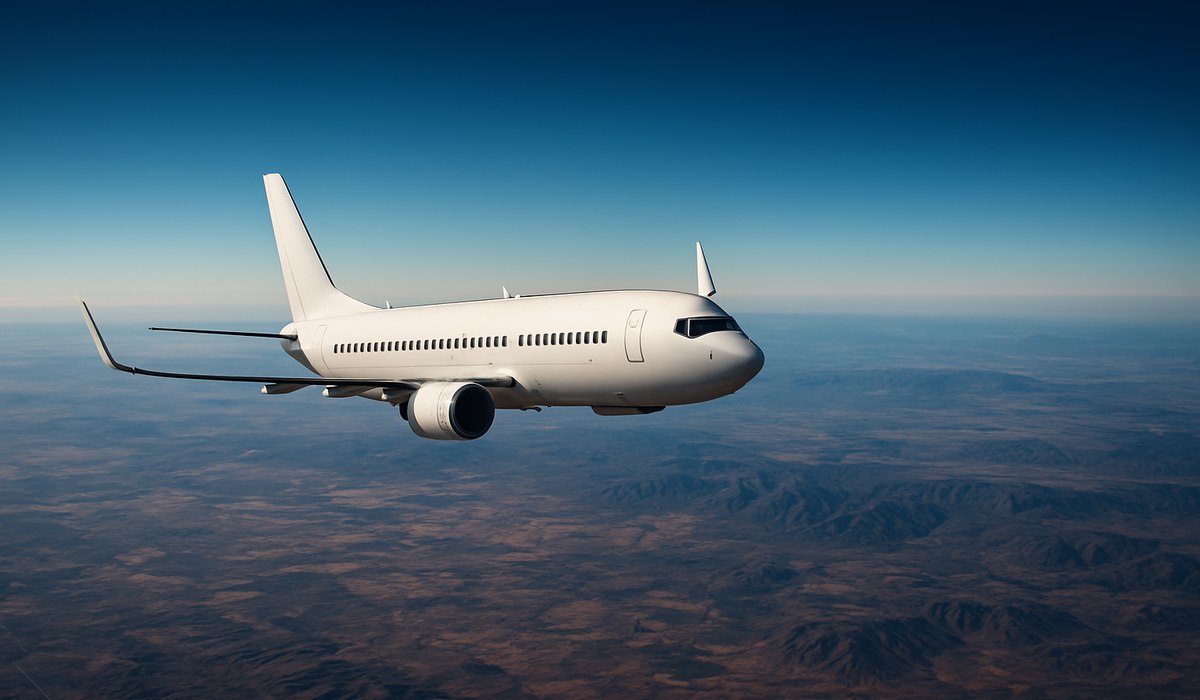
Image generated by AI
Epic US Domestic Flights: Traveling Nearly 5,000 Miles Without a Passport
Major US airlines continue operating some of the world's longest domestic routes, with several flights spanning nearly 5,000 miles across the continental United States. While 83% of all US air traffic remains domestic according to the International Air Transport Association, passengers often overlook the scale of these ultra-long journeys. Travel more than 4,900 miles within US borders—no passport required, no customs lines, just pure transcontinental adventure.
These marathon flights represent a unique category of air travel. Unlike international long-haul journeys, domestic ultra-long routes offer the convenience of domestic operations without border complications. Passengers board these aircraft for eight-plus hour journeys traversing mountains, deserts, and sprawling metropolitan areas. The longest domestic US flights showcase engineering excellence, crew endurance, and sophisticated logistics.
The Longest US Domestic Routes Currently Operating
The competitive landscape of airlines longest domestic service reveals five standout routes that challenge conventional transcontinental flight expectations. These pathways connect distant metropolitan areas, serve specific business travel corridors, and maintain year-round passenger demand.
Honolulu to Boston ranks among the absolute longest, stretching approximately 5,095 miles. This route, operated by United Airlines and Delta Air Lines, represents the pinnacle of domestic aviation distance. Passengers endure roughly 10 hours of flight time, crossing five time zones without international protocols. The route demands specialized wide-body aircraft capable of extended-range performance across the Pacific.
Los Angeles to Honolulu covers about 2,475 miles but connects major hub airports with consistent daily service. Multiple carriers including American Airlines, Hawaiian Airlines, and Southwest Airlines operate this route with high-frequency departures. This represents the most frequently traveled ultra-long domestic flight in North America.
Seattle to Honolulu extends approximately 2,385 miles, offering another Pacific-crossing option. Alaska Airlines dominates this route with the majority of daily flights. The relatively consistent demand reflects both leisure and business travel patterns between Pacific Northwest technology hubs and Hawaiian destinations.
New York to Los Angeles stretches 2,451 miles across the continental expanse. This iconic transcontinental route sees competition from Delta Air Lines, United Airlines, and American Airlines. Despite its shorter distance compared to some Pacific routes, the sheer volume of daily service makes it the busiest ultra-long domestic corridor.
San Francisco to Boston covers approximately 2,700 miles, connecting two major tech and business centers. United Airlines and Delta operate this route regularly, serving frequent business travelers requiring coast-to-coast connectivity without layovers.
Which Airlines Dominate Long-Haul Domestic Travel
The major carriers have invested substantially in long-haul domestic capacity. United Airlines operates the most extensive ultra-long domestic network, with robust service from coastal hubs. The airline's fleet includes enough wide-body aircraft (Boeing 777s and 787s) to maintain competitive frequency on these premium routes.
Delta Air Lines similarly prioritizes long-haul domestic flights through strategic hub placement in Atlanta and Salt Lake City. Delta's equipment strategy emphasizes both narrow-body and wide-body aircraft deployment based on route-specific demand patterns.
American Airlines maintains competitive presence through its Dallas-Fort Worth and Charlotte hubs. The airline's long-haul domestic strategy balances frequency with premium cabin offerings.
Hawaiian Airlines operates with unique advantages on Pacific routes, leveraging Honolulu's geographic position as a natural hub. The carrier's focus on this specific geography makes it the dominant player for Hawaii-mainland connectivity.
Southwest Airlines emphasizes point-to-point service rather than hub-dependent networks, offering competitive pricing on long-distance domestic routes despite using exclusively single-aisle aircraft.
What to Expect on Ultra-Long Domestic Flights
Passengers boarding flights exceeding 2,400 miles enter a different operational category. Cabin service standards vary significantly based on aircraft type and airline premium offerings. Wide-body aircraft on the longest routes typically offer lie-flat business class seats, enhanced meal service, and superior entertainment systems compared to narrow-body narrow configurations.
Flight crews rotate on ultra-long routes to maintain compliance with Federal Aviation Administration duty-time regulations. Passengers may notice crew changes at specific waypoints on the longest journeys. These transitions represent safety protocol adherence rather than operational concerns.
Weather patterns significantly impact flight duration and comfort on cross-country routes. Jet stream positioning can reduce New York to Los Angeles flights by 30-40 minutes when westbound winds align favorably. Return journeys facing headwinds may extend flight times by similar margins.
Cabin pressure and humidity levels on aircraft used for longest flights receive specialized attention from major carriers. Premium cabin passengers benefit from advanced air filtration, enhanced humidity control, and larger individual spaces compared to economy configurations.
Money-Saving Tips for Cross-Country Journeys
Strategic booking timing can yield substantial savings on airlines longest domestic flights. Tuesday through Thursday departures typically offer lower fares than weekend travel on transcontinental routes. Booking 30-45 days in advance captures favorable pricing windows for most major carriers.
Loyalty program redemptions offer exceptional value on ultra-long domestic flights when booked through airline-specific portals. Elite frequent flyer members receive priority boarding, baggage allowances, and seat selection benefits that accumulate across multiple long flights.
Connecting flights occasionally cost substantially less than nonstop service, though time implications require careful evaluation. Passengers willing to accept 4-6 hour layovers might achieve 20-35% fare reductions compared to direct routing.
Mid-week red-eye flights from East Coast origins to West Coast destinations frequently attract promotional pricing. Airlines utilize overnight capacity strategically, offering competitive rates to fill seats on less-popular departure times.
Bundled packages combining hotel accommodations with airfare sometimes deliver superior value, particularly for business travel that includes multi-night stays near major business districts.
Key Data: Longest Domestic US Flights Reference Table
| Route | Distance (Miles) | Flight Time (Hours) | Primary Airlines | Aircraft Type |
|---|---|---|---|---|
| Honolulu to Boston | 5,095 | 10 | United, Delta | Boeing 787, Airbus A330 |
| Honolulu to New York | 5,000 | 10 | United, Delta | Boeing 787, Airbus A330 |
| San Francisco to Boston | 2,700 | 5.5 | United, Delta | Boeing 737, Airbus A320 |
| New York to Los Angeles | 2,451 | 5 | American, United, Delta | Boeing 737, Airbus A320 |
| Seattle to Honolulu | 2,385 | 5.5 | Alaska, United | Boeing 737, Airbus A320 |
| Los Angeles to Honolulu | 2,475 | 5.5 | Hawaiian, American, Southwest | Boeing 737, Airbus A321 |
What This Means for Travelers
Understanding airlines longest domestic operations empowers informed travel decisions across several dimensions:
-
Evaluate premium cabin investments on flights exceeding 2,400 miles. The enhanced amenities justify premium pricing when booking business-class travel for personal comfort or business requirements. Narrow-body aircraft offer limited premium benefits compared to wide-body configurations.
-
Monitor seasonal demand patterns affecting routes to Hawaii and other distant domestic destinations. Summer and winter holiday periods create significant price premiums and seating scarcity on popular ultra-long routes.
-
Compare total journey times including ground transportation, security screening, and potential layovers against premium nonstop fares. Driving, rail, or connecting flight alternatives occasionally deliver superior value when factoring elapsed time.
-
Register with airline notifications for flash sales targeting long-haul domestic routes. Major carriers frequently promote weekend travel through email campaigns offering 20-40% discounts on select ultra-long
Preeti Gunjan
Contributor & Community Manager
A passionate traveller and community builder. Preeti helps grow the Nomad Lawyer community, fostering engagement and bringing the reader experience to life.
Learn more about our team →