
United Airlines Cuts 26% of Widebody Domestic Flights in 2026
United Airlines is eliminating over a quarter of its domestic widebody flights in 2026, restructuring its twin-aisle deployment strategy across major hub routes and premium transcontinental services.

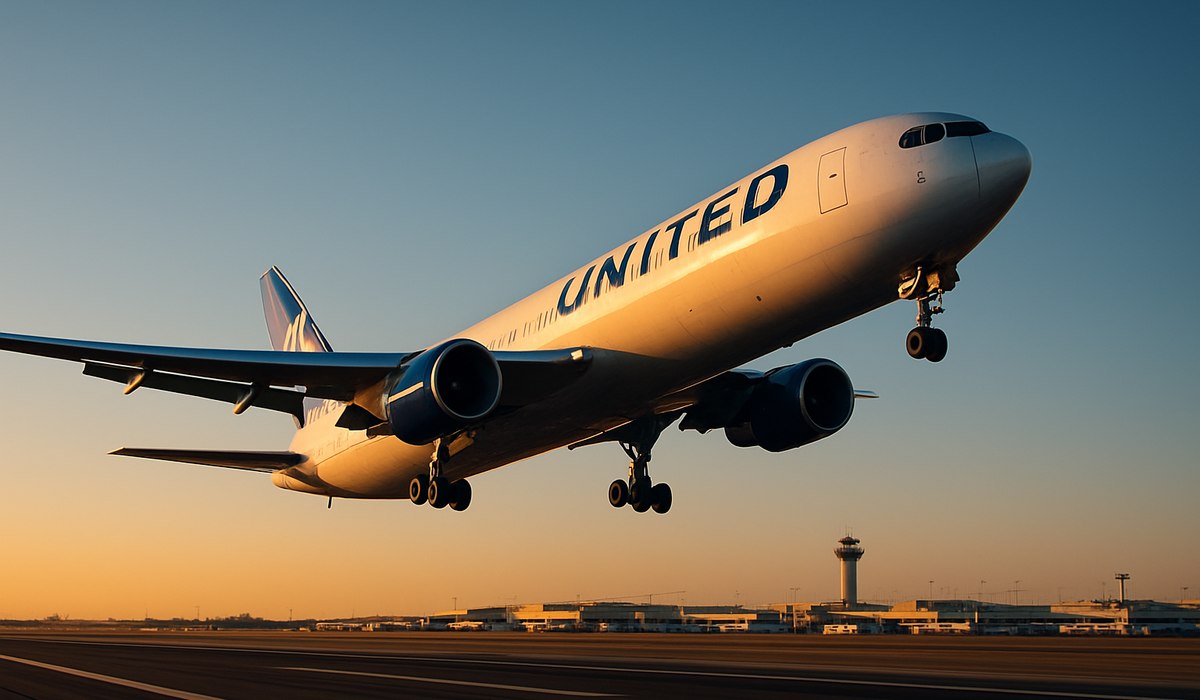
Image generated by AI
United Airlines Reduces Domestic Widebody Operations by 26% in Major Fleet Realignment
United Airlines is significantly scaling back its domestic widebody aircraft operations, cutting approximately 26% of flights deploying twin-aisle jets on U.S. routes. This strategic decision reflects a broader reassessment of how the carrier allocates its Boeing 767, 777, and 787 aircraft across its network. The reduction affects major hub-to-hub connections, premium transcontinental corridors, and profitable Hawaii services that have historically justified widebody deployment.
The carrier's move signals shifting economics in domestic aviation, where fuel costs, crew scheduling, and demand patterns now favor narrowbody aircraft on routes previously served by larger jets. United's widebody domestic fleet has long been concentrated on high-capacity trunk routes connecting major hubs and premium leisure destinations, but changing market conditions are forcing a recalibration.
Why United Is Cutting Widebody Domestic Flights
United Airlines has traditionally operated widebody aircraft on domestic routes where passenger volume and premium cabin demand justified the higher operating costs. Hub-to-hub trunk routes like Chicago O'Hare (ORD) to Denver (DEN) generated sufficient traffic to fill 250+ seat widebodies. Similarly, transcontinental premium services from the East Coast to California and extensive Hawaii operations have been widebody strongholds.
However, several factors are now driving the 26% reduction in United Airlines widebody domestic flights. Rising fuel prices increase the per-seat cost advantage of widebodies. Labor agreements and pilot scheduling rules make smaller aircraft more flexible operationally. Additionally, modern narrowbody jets like the Boeing 737 MAX and Airbus A321XLR offer extended range and premium cabin configurations that compete effectively on transcontinental routes.
United is redeploying widebodies toward international long-haul routes where larger capacity and range capabilities deliver stronger unit economics. This shift allows the airline to maintain global connectivity while optimizing domestic fleet utilization. The decision also reflects reduced demand for business travel on some premium domestic routes, making widebody capacity harder to fill profitably.
Which Routes Are Affected by the Widebody Reductions
The elimination of 26% of domestic widebody flights impacts several key United markets. High-volume trunk routes between major hubs face capacity adjustments, with some services transitioning to narrowbody equipment. Denver-Chicago service, a traditionally strong widebody market, sees reduced frequency with larger aircraft. Similarly, Dallas-Houston hub operations and competitive transcontinental markets now rely more heavily on Boeing 737 MAX and Airbus A321 jets.
Hawaii-mainland routes, though partially affected, maintain widebody presence due to leisure demand and premium cabin premium yields. However, some lower-demand Hawaii services may shift to high-capacity narrowbodies. The transcontinental market from United's hubs in Chicago, Houston, and Denver to major West Coast gateways experiences selective widebody reductions, particularly on routes facing increased low-cost carrier competition.
Regional variations matter significantly. West Coast transcontinental service from Chicago (ORD) and Houston (IAH) to Los Angeles (LAX) and San Francisco (SFO) remains partially widebody-dependent. However, secondary city pairs show more dramatic shifts toward narrowbody equipment. United's Hawaii service remains competitively widebody-intensive, but marginal routes receive narrowbody aircraft.
Impact on Business and Premium Travelers
Business and premium leisure travelers face mixed consequences from the reduction in United Airlines widebody domestic flights. Direct product impacts include fewer premium cabin seats on affected routes, as narrowbody aircraft offer limited first and business class configurations. Passengers booked on currently widebody-operated services may experience aircraft downgauging to Boeing 737 MAX or similar jets with smaller premium cabins.
However, United's premium frequent flyer members benefit from strategic redeployment. International widebody capacity increases as aircraft relocate from domestic trunk routes. Transcontinental and Hawaii business travelers may find premium seating scarcer on specific flights but maintain overall route availability. Airlines typically manage capacity reductions through schedule optimization, potentially offering more frequent daily departures on narrowbody aircraft rather than fewer widebody frequencies.
Upgrade availability likely tightens on affected routes, as fewer premium cabin seats generate higher upgrade waitlists. Elite frequent flyer members may face increased challenges securing complimentary cabin upgrades. However, mileage upgrade costs remain available, allowing premium-cabin access despite capacity reductions. The overall impact depends on individual route selection and competitive alternatives.
What This Means for the Airline Industry
United Airlines widebody domestic flights reduction signals broader industry trends toward right-sizing aircraft deployment. Major carriers including American and Delta face similar optimization pressures, balancing widebody utilization across domestic versus international operations. The shift reflects matured domestic market dynamics where fuel efficiency and operational flexibility outweigh capacity advantages on many routes.
Modern narrowbody aircraft performance improvements enable competitive operations on routes previously dominated by widebodies. Extended-range narrowbodies like the A321XLR and 737 MAX 10 offer transcontinental capability with lower per-seat costs. This technological shift empowers carriers to deploy premium narrowbody products rather than full widebody cabins on select routes.
United's strategy may inspire industry-wide fleet rebalancing. Other carriers examine their domestic widebody operations, questioning profitability on hub routes and secondary transcontinental markets. The trend ultimately benefits consumers through expanded narrowbody service frequency and potentially lower base fares, though premium cabin availability becomes more constrained.
Fleet Reallocation and International Focus
The widebody aircraft displaced from domestic United Airlines routes redirect toward international markets where larger capacity delivers genuine efficiency advantages. Long-haul international routes to Europe, South America, and Asia benefit from increased frequency and product innovation. This reallocation strengthens United's global network competitiveness while optimizing domestic operations.
Widebody aircraft maintained on domestic routes concentrate on highest-yield services. United likely preserves widebody operations on premium Hawaii service, transcontinental premium routes, and highest-volume trunk routes. Aircraft redeployment reflects data-driven network analysis, ensuring remaining United Airlines widebody domestic flights generate sufficient premium cabin revenue and load factors to justify higher operating costs.
This strategic reallocation mirrors industry best practices among global carriers. United positions itself to compete effectively on international markets while maintaining efficient domestic operations through right-sized equipment.
Key Data: United Airlines Widebody Domestic Fleet Changes
| Metric | Details |
|---|---|
| Domestic Widebody Reduction | 26% of flights eliminated or transitioned to narrowbody equipment |
| Primary Aircraft Affected | Boeing 767, 777; some 787 domestic services reduced |
| Replacement Equipment | Boeing 737 MAX, Airbus A321 family aircraft |
| Major Routes Impacted | Hub-to-hub trunk routes; select transcontinental services |
| Service Preservation | Hawaii routes maintain widebody presence; premium transcontinental limited reductions |
| Implementation Timeline | 2026 schedule restructuring; completed by mid-year |
| International Redeployment | Widbodies redirected to Europe, South America, Asia long-haul routes |
| Premium Cabin Impact | Reduced first/business class seats on affected routes; upgrade availability tightens |
What This Means for Travelers: Action Checklist
-
Review Your Upcoming Bookings: Check flight confirmation details immediately. Search FlightAware using your flight number to verify current aircraft assignment. Aircraft equipment may differ from your original booking.
-
Understand Your Premium Cabin Options: If you're booked in economy with elite status, recognize that upgrade availability may tighten. Consider purchasing premium cabin tickets directly on affected routes rather than relying solely on upgrade opportunities.
-
Monitor Schedule Changes: Watch your email for United schedule change notifications. The airline must
Disclaimer
This article is for informational and educational purposes only. It does not constitute legal, financial, or professional advice. While we strive to provide accurate and up-to-date information, travel policies, regulations, and conditions change rapidly. Always verify information with official sources before making travel decisions. Nomad Lawyer makes no representations about the accuracy, reliability, completeness, or suitability of the information provided. Readers should consult qualified professionals for advice specific to their circumstances. The views expressed in this article are those of the author and do not necessarily reflect the views of Nomad Lawyer.
Preeti Gunjan
Contributor & Community Manager
A passionate traveller and community builder. Preeti helps grow the Nomad Lawyer community, fostering engagement and bringing the reader experience to life.
Learn more about our team →