
England Experiences Heritage and Coastal Travel Boom in H2 2026
England is seeing a surge in heritage and nature travel, led by Roman history in Bath, coastal hiking in the South Downs, and London architecture.
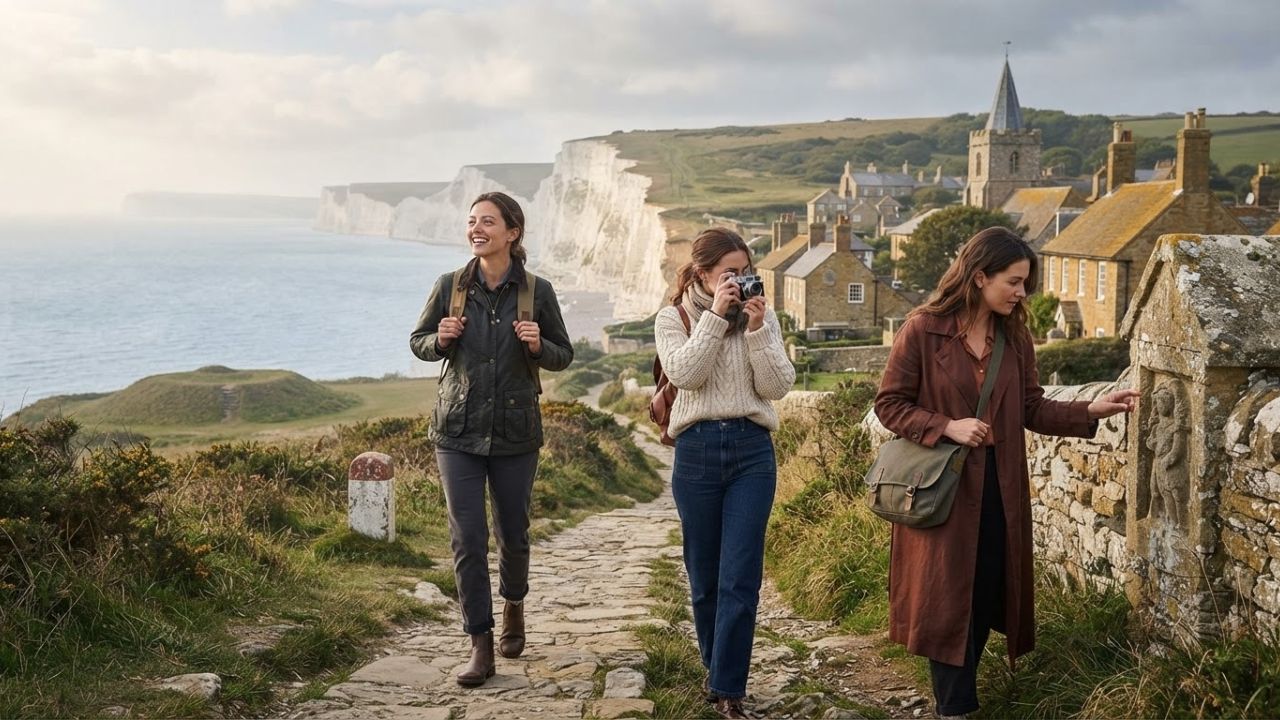
Image generated by AI
Combining Roman archaeology in Bath with scenic coastal trails along the Seven Sisters white chalk cliffs, England is experiencing a major surge in educational heritage and nature-based tourism.
The Core Transit Update
Outbound holiday itineraries and regional transit corridors are expanding across England's historic towns and national parks. As international travelers seek destinations offering digital disconnection and authentic local culture, municipal boards and transport operators are aligning heritage preservation with eco-friendly travel options.
By utilizing passenger rail networks like the Great Western Railway (GWR) and Southern Railway, visitors can easily access historical structures and protected natural reserves, distributing visitor foot traffic away from congested urban centers and supporting local economies outside summer peak periods.
Heritage Destinations & Rail Logistics
Coordinating a cultural tour of England's ancient streets and coastal paths requires comparing destination profiles alongside regional rail pathways. The following tables outline England's heritage hubs and transit logistics.
| Heritage Destination | Primary Historical / Geological Feature | Recommended Outdoor Activity | Core Cultural Asset |
|---|---|---|---|
| London Hub | Roman walls & Gothic architecture | City walking tours | British Museum & Tower of London |
| Bath City | Geothermal hot springs & Georgian stone | Historic spa visits | Aquae Sulis complex & Thermae Spa |
| Seven Sisters | Four-mile white chalk cliffs | Coastal cliff hiking | South Downs National Park trails |
| Brighton | Historic seaside pier & shopping alleys | Beachside walking | Palace Pier & The Lanes boutiques |
England heritage and nature travel destination profiles.
| Target Travel Hub | Primary Departure Station | Dedicated Rail / Coach Line | Average Transit Duration |
|---|---|---|---|
| Bath Spa | London Paddington | Great Western Railway (GWR) | ~1 hour 20 minutes |
| Brighton | London Victoria / London Bridge | Southern Railway / Thameslink | ~1 hour |
| Seven Sisters (Eastbourne) | London Victoria | Southern Railway (direct) | ~1 hour 30 minutes |
England regional rail routes and travel logistics.
Traveler Logistics Guide
From a ground-level perspective, the best way to navigate this is to buy a regional BritRail Pass or pre-purchase train tickets on the National Rail portal before arriving in London, as booking walk-up fares on the Great Western Railway line to Bath Spa or the Southern line to Eastbourne during morning peak hours is significantly more expensive. Checking track schedules is recommended.
To plan your heritage and hiking visit:
- London Museum Registrations: While entry is free to the British Museum and the Victoria and Albert Museum, book a timed entry slot online in advance to avoid long terminal queue waits.
- Aquae Sulis vs Thermae Spa: Swimming is prohibited inside the historic Roman Baths complex to preserve the structural masonry. To experience the hot springs, book a session at the adjacent Thermae Bath Spa.
- Seven Sisters Coastal Safety: When hiking the four-mile trail along the Seven Sisters cliffs, stay at least 5 meters away from the cliff edge, as active coastal erosion can cause sudden chalk collapses.
- Brighton Transit Connections: Direct Southern trains run regularly from London Victoria to Brighton. Upon arrival, the city's historic Lanes and Palace Pier are easily accessible on foot.
Infrastructure Impact Assessment
The development of sustainable rail-linked heritage routes supports the regeneration of regional economies across the south of England.
By encouraging visitors to explore nature reserves like the South Downs National Park and historic centers like Bath, local transport planners and heritage conservation groups protect historic landmarks while securing year-round consumer spending for regional hospitality businesses.
Related Travel Guides
New Zealand Introduces Flexible Runway Rules for Regional Airports
Disclaimer
This article is for informational and educational purposes only. It does not constitute legal, financial, or professional advice. While we strive to provide accurate and up-to-date information, travel policies, regulations, and conditions change rapidly. Always verify information with official sources before making travel decisions. Nomad Lawyer makes no representations about the accuracy, reliability, completeness, or suitability of the information provided. Readers should consult qualified professionals for advice specific to their circumstances. The views expressed in this article are those of the author and do not necessarily reflect the views of Nomad Lawyer.