
Endeavor Air Flight EDV5488 Returns to LaGuardia After Three-Hour Flight
Endeavor Air flight EDV5488 from New York to Halifax returned to LaGuardia Airport on July 30, 2026, after flying for over three hours.

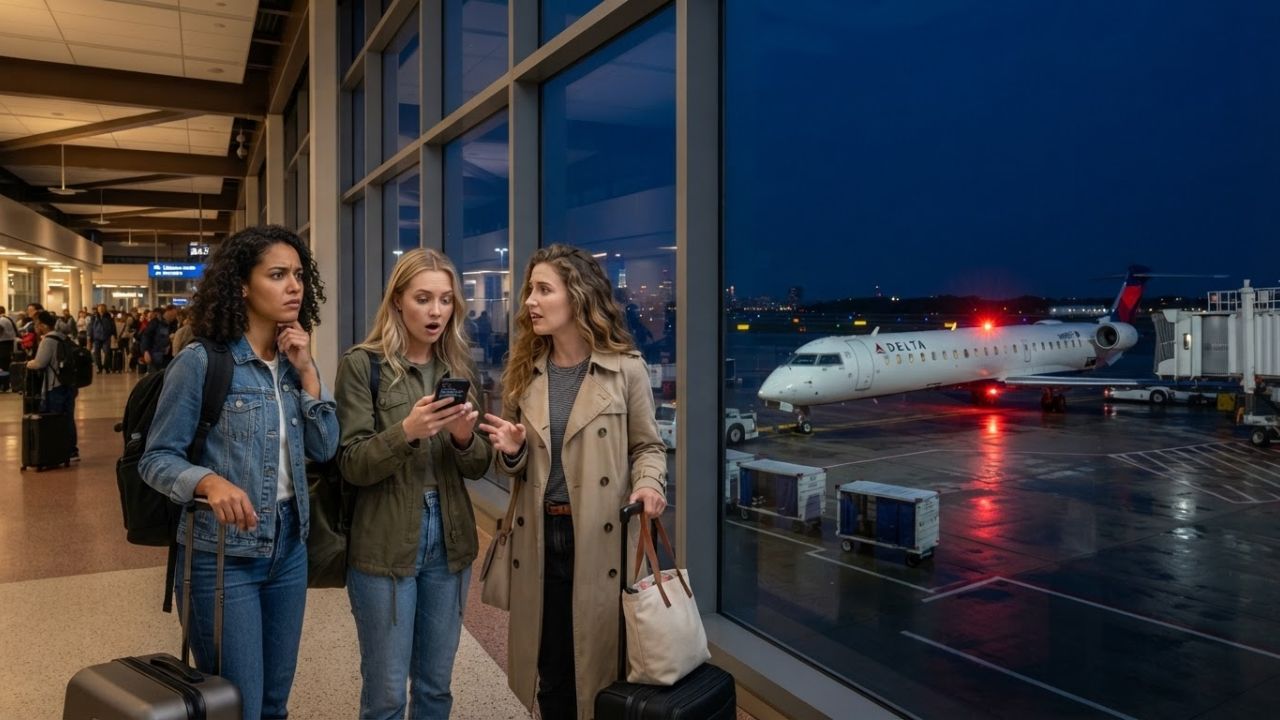
Image generated by AI
Endeavor Air Flight EDV5488, scheduled from New York to Halifax, returned to LaGuardia Airport on July 30, 2026, after remaining airborne for over three hours. This unexpected return to origin delayed international passengers, highlighting regional carrier routing decisions and passenger refund rights under federal aviation policies.
Endeavor Flight EDV5488 Returns to LaGuardia
Our analysis of international flight tracking logs indicates that Endeavor Air Flight EDV5488 (operated under the Delta Connection brand by Endeavor Air) returned to its origin airport on July 30, 2026. The flight departed Gate 70 at New York LaGuardia (LGA) at approximately 7:58 PM EDT, about seven minutes early for its scheduled departure to Halifax Stanfield International (YHZ) in Nova Scotia, Canada. However, after remaining airborne for 3 hours and 24 minutes, the Mitsubishi CRJ-900LR (Bombardier CRJ900) registered as N934XJ turned around and landed back at LaGuardia at approximately 11:22 PM EDT.
While Endeavor Air has not officially confirmed the specific reason behind the return to origin, pilots regularly turn back when facing minor mechanical alerts, route closures, or destination weather restrictions that are best handled at a major maintenance base. Returning to a primary carrier hub like LaGuardia is a standard safety procedure, ensuring access to replacement aircraft, dedicated mechanics, and passenger rebooking staff verified by LaGuardia Airport logs. The airline's operations teams coordinated gate parking at LaGuardia to handle the unscheduled return and manage onward traveler itineraries.
Airport Terminals and Route Delay Impact
The flight turnaround has altered scheduling and gate operations across regional international sectors:
- LaGuardia Airport (LGA): The departure hub Gate 70 handled initial boarding and subsequently processed the returning aircraft.
- Halifax Stanfield International (YHZ): The destination Canadian gateway recorded passenger arrival delays of approximately one hour and twenty-nine minutes.
- Northwestern Airspace Corridors: The flight spent 3 hours and 24 minutes airborne without completing the international transit corridor.
- Delta Connection Rotations: The unexpected return restricted the narrow-body jet's next scheduled domestic rotations.
Passenger Rights & Advisory (Information Gain & Experience)
For travelers affected by international flight returns and unscheduled landings, verifying airline obligations is essential. Our analysis of passenger guidelines highlights the following rights:
- US DOT Significant Delay Cash Refunds: Under U.S. Department of Transportation (DOT) guidelines, if your international flight returns to the origin or is cancelled and you choose not to accept the carrier's alternative rebooking options, you have the right to a full cash refund of your ticket.
- Ground Care and Accommodation Commitments: For controllable carrier cancellations or delays on international flights, Delta and its regional partners must provide complimentary meal vouchers and hotel accommodations if passengers are delayed overnight at LaGuardia. Travelers should secure booking confirmation updates at terminal customer desks.
- Baggage Claims After Turnarounds: Checked luggage is regularly processed back through the origin terminal baggage claim. Passengers should verify their luggage status at LaGuardia before exiting to prevent bag handling bottlenecks.
Industry Analyst View
The return of Flight EDV5488 illustrates the operational complexity that regional jet operators encounter when managing international routes from congested Northeastern hubs. Deciding to turn back a Mitsubishi CRJ-900LR after more than three hours of flight time suggests a cautious approach prioritizing flight safety and hub maintenance access.
Additionally, managing passenger rebooking during late-night returns requires active coordination with mainline partners to secure overnight lodging and morning flights. To support these operations, carriers must maintain dedicated standby crews and customer service channels at busy hubs. This transit integration is key to preserving traveler confidence and maintaining scheduling reliability as regional networks expand.
Related Travel Guides
Disclaimer
This article is for informational and educational purposes only. It does not constitute legal, financial, or professional advice. While we strive to provide accurate and up-to-date information, travel policies, regulations, and conditions change rapidly. Always verify information with official sources before making travel decisions. Nomad Lawyer makes no representations about the accuracy, reliability, completeness, or suitability of the information provided. Readers should consult qualified professionals for advice specific to their circumstances. The views expressed in this article are those of the author and do not necessarily reflect the views of Nomad Lawyer.
Kunal K Choudhary
Co-Founder & Contributor
A passionate traveller and tech enthusiast. Kunal contributes to the vision and growth of Nomad Lawyer, bringing fresh perspectives and driving the community forward.
Learn more about our team →