Beyond Dubrovnik: Exploring the Emerging Small-Town Adriatic Gems of Croatia and Italy in 2026

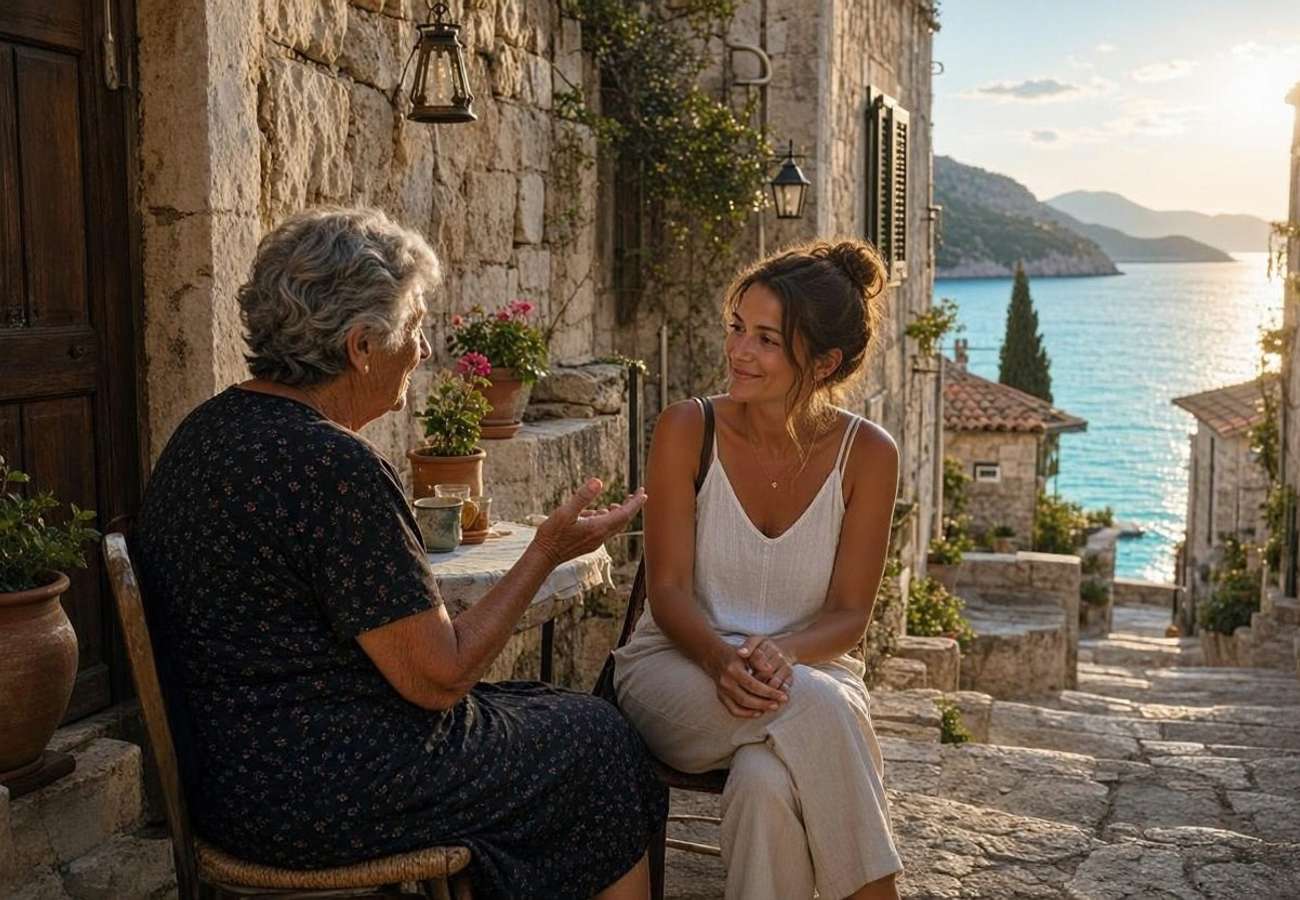
Image generated by AI
While the world crowds into Dubrovnik and Venice, the real pulse of the Adriatic has shifted to the fringes. In Montenegro, the town of Bar has seen a 14.5% surge in overnight stays, proving that the modern traveler is actively abandoning the "top ten" lists in favor of raw, regional authenticity.
The Great Adriatic Pivot: From Hubs to Hamlets
The coastal economy of the Adriatic is currently undergoing a structural shift. For decades, tourism was concentrated in a few "super-destinations"—think Split, Budva, and Venice. However, 2026 data reveals a clear migration toward smaller municipalities. This isn't just about finding a cheaper hotel; it is a cultural movement toward "slow travel," where the goal is to integrate into the local rhythm rather than observing it from a tour bus.
From the salt pans of Slovenia to the rugged "Trabocchi" coast of Italy, these secondary spots are no longer just day-trip stops. They are becoming primary destinations for those seeking maritime heritage without the queues.
What Makes the Secondary Adriatic Different?
The appeal of these emerging spots lies in their specific regional identities, which often remain untouched by the homogenization of global tourism.
In Croatia, the shift is toward towns like Šibenik and Trogir. While Split is the gateway, Šibenik offers a more intimate encounter with history via its UNESCO World Heritage Cathedral of St. James. Similarly, the island of Vis provides a secluded maritime experience that contrasts sharply with the commercialized atmosphere of Hvar.
Across the water in Italy, the Abruzzo region is redefining the Adriatic experience. Instead of the polished resorts of the Amalfi Coast, Abruzzo offers the "Trabocchi"—ancient wooden fishing platforms that extend over the sea. These structures are not just relics; many have been converted into boutique dining experiences that offer a direct connection to the Tyrrhenian and Adriatic waters.
Adriatic Growth and Visitor Metrics (2025-2026)
The following data highlights the measurable shift in visitor behavior, particularly in Montenegro and Italy, where regional growth is outpacing the traditional hubs.
| Region/Town | Metric | Value | Growth/Status (2025-2026) |
|---|---|---|---|
| Croatia (National) | Total Overnight Stays | 110.1 Million | Established Market |
| Montenegro (Bar) | Overnight Stays | 457,614 | +14.5% |
| Montenegro (Herceg Novi) | Overnight Stays | 666,889 | +7.6% |
| Montenegro (Tivat) | Overnight Stays | N/A | +5.5% |
| Montenegro (Ulcinj) | Overnight Stays | N/A | +3.4% |
| Italy (Abruzzo) | Tourist Arrivals | 8.7 Million | +22.3% |
| Slovenia (National) | Overnight Stays | 17.8 Million | +6% |
Visitor Insider Tips
To experience these regions through a local lens, you have to move against the grain of standard travel itineraries.
Timing and Access Avoid the July-August peak entirely. The "Golden Window" for the Adriatic is September to early October. The water remains warm, but the crowds in places like Perast (Montenegro) or Piran (Slovenia) vanish, leaving the limestone streets to the locals.
Regional Specialties to Seek In Abruzzo, Italy, do not settle for standard pasta. Look for Trabocchi dining in San Vito Chietino. In Croatia, venture to Ston to sample the world-renowned oysters, which are far superior to those found in the larger city markets.
Transport Hacks While rental cars are the standard, the most authentic way to see the Croatian islands like Vis or Korčula is via the local ferry networks. Book your tickets through Jadrolinija well in advance during the shoulder season to avoid the chaos of the ports.
Etiquette Note In smaller towns like Herceg Novi or Izola, the pace of life is significantly slower. Avoid the "fast-food" mentality; expect your coffee to take an hour and your dinner to start after 8:00 PM.
Cultural and Environmental Context
The rise of secondary destinations is a double-edged sword. On one hand, it relieves the crushing pressure on "over-touristed" cities like Dubrovnik and Kotor. By distributing wealth to municipalities like Bar or Vasto, tourism becomes a tool for regional development rather than a cause of urban decay.
However, this growth brings environmental challenges. The Albanian Riviera, particularly around Himarë and Dhërmi, is developing rapidly. The transition from nature-based tourism to waterfront resorts risks destroying the very lagoons and wild coastlines that attract visitors. Preservation efforts are now focusing on "low-impact" infrastructure to ensure that the rapid growth seen in 2026 does not lead to the same congestion currently plaguing the major Adriatic hubs.
FAQ: Visiting the Adriatic 2026
What is the best time to visit the smaller Adriatic towns? September and October are ideal. The weather is mild, the Adriatic Sea is still warm enough for swimming, and the surge of summer crowds has dissipated, allowing for a more authentic local experience.
Do I need a visa for these destinations? Most of these countries (Croatia, Slovenia, Italy, Montenegro) are part of the Schengen Area or have liberal visa policies for many nationalities. Always check the official Visit Croatia or Visit Italy portals for current requirements.
How do I get to the Abruzzo region from Rome? The most efficient way is by train or rental car. A drive from Rome to Vasto or Termoli takes approximately 3 to 4 hours, offering a stark contrast between the urban capital and the quiet Adriatic coast.
Is it safe for solo travelers? Yes, the Adriatic coast is generally very safe. Smaller towns in Slovenia and Croatia are particularly welcoming. Use standard urban caution in larger hubs, but in regional spots, the community feel often makes solo travel easier.
Stop following the crowds and start following the coastline.
Related Travel Guides
This article is for informational purposes. Flight routes, passenger regulations, visa rules, and transit advisories are subject to change by airlines and aviation authorities. Readers are advised to verify schedules and travel documentation with relevant carriers and border agencies before departure.
Related Stories
Fairfax Holiday Market and Festival of Lights 2026: Old Town Virginia Event Guide
Ireland Narrow Water Bridge Construction Forces Risky Carlingford Lough Greenway Detours in 2026