
Egypt Replaces Giza Pyramids Animal Rides With 45 Electric Buses for Sustainable Tourism 2026
Egypt is modernizing the Giza Plateau by replacing traditional camel and horse rides with a fleet of 45 electric buses to improve animal welfare and visitor mobility.

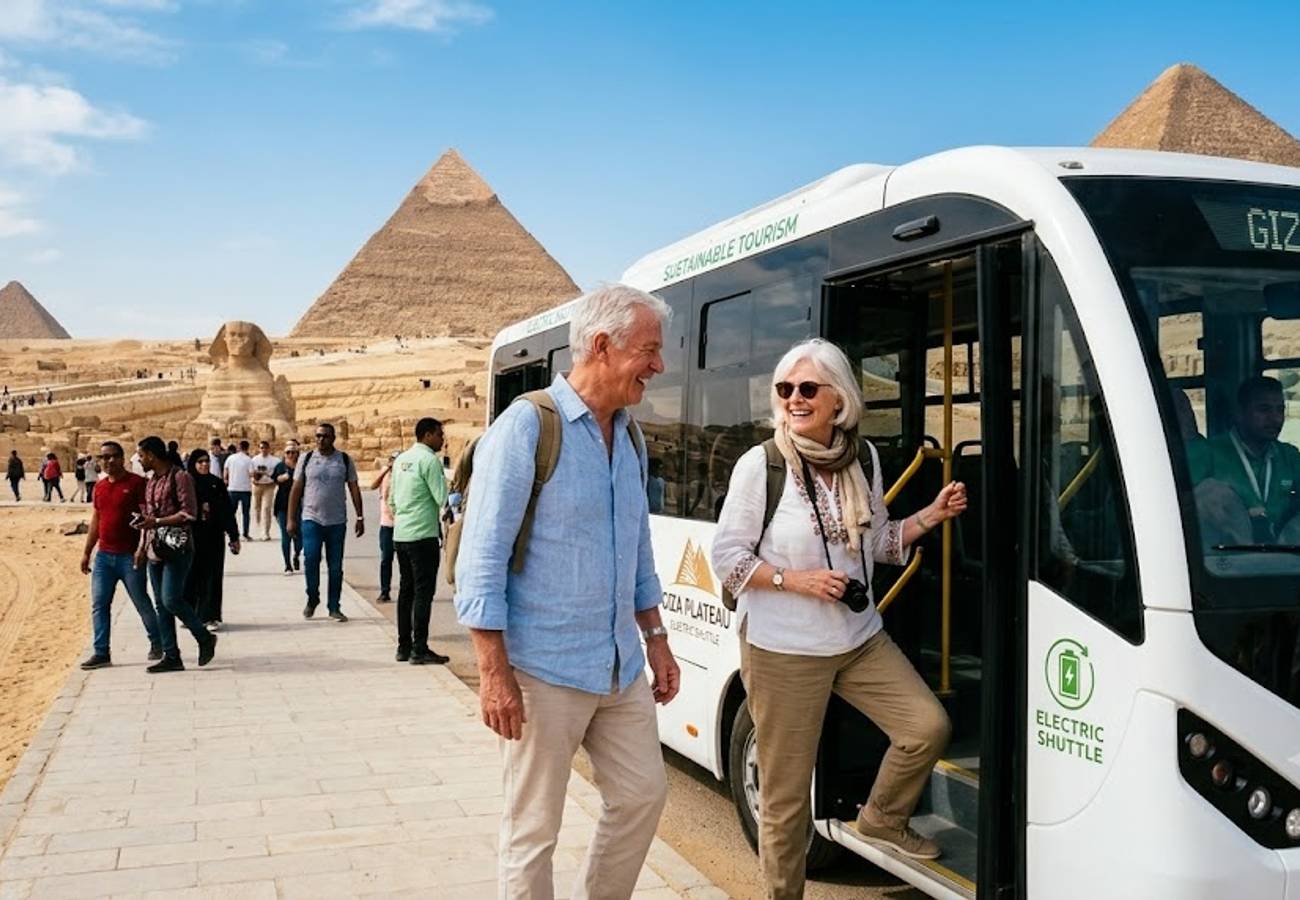
Image generated by AI
Egypt is phasing out traditional camel and horse transport at the Giza Pyramids in favor of a modern electric fleet. This shift marks a decisive move toward ethical tourism and carbon reduction at one of the world's most visited archaeological sites.
The Egyptian government has initiated a comprehensive overhaul of visitor transport on the Giza Plateau. By introducing approximately 45 electric buses and shuttle carts, the state aims to decouple the tourist experience from a heavy reliance on animal-powered transit, addressing long-standing ethical concerns and operational inefficiencies.
Modernizing the Giza Plateau Transport Network
For decades, the image of a camel trek against the backdrop of the Great Pyramids was a staple of Egyptian tourism. However, the scale of the site and the demands of modern travel have necessitated a more structured approach.
The new fleet of 45 electric vehicles is designed to connect primary landmarks across the vast plateau. This infrastructure update solves several logistical hurdles:
- Enhanced Mobility: Visitors can now traverse the expansive site more efficiently without the physical constraints of animal transport.
- Congestion Relief: Organized shuttle routes reduce the chaotic traffic patterns often associated with unregulated animal rides.
- Environmental Protection: The transition to electric power lowers local emissions, helping to preserve the integrity of the ancient limestone structures from pollutants.
Addressing Animal Welfare and Ethical Standards
The decision to pivot toward electric transport is largely a response to mounting pressure from international animal welfare organizations and conscious travelers. The working conditions for horses and camels at Giza have been under scrutiny for years, specifically regarding:
- Extreme Heat Exposure: Animals frequently worked during peak desert temperatures with insufficient shade.
- Labor Intensity: Concerns over long working hours and the physical toll of carrying tourists across sandy terrain.
- Care Quality: Inconsistent standards of veterinary care and nutrition for the animals employed at the site.
This transition builds upon a framework established in 2024, when Egypt launched a dedicated program to improve the living and working conditions of animals at major heritage locations. The 2026 rollout of electric buses is the culmination of this broader strategy to align Egyptian tourism with global ethical standards.
Strategic Impact on the Visitor Experience
The shift toward a tech-driven transport model reflects a broader trend in "responsible travel." Today's tourists increasingly prioritize sustainability and animal rights over traditional, often exploitative, attractions.
By integrating shuttle carts and buses, Egypt is positioning the Giza Pyramids as a model for how ancient heritage sites can adapt to the 21st century. This modernization ensures that the site remains accessible to a wider demographic, including those with mobility issues who found animal rides impractical or unsafe.
Operational Overview: Giza Transport Transition
| Feature | Traditional System | New Electric System |
|---|---|---|
| Primary Transport | Camels and Horses | Electric Buses & Shuttle Carts |
| Fleet Size | Unregulated/Variable | Approximately 45 Vehicles |
| Environmental Impact | Low Carbon / High Waste | Zero Local Emissions |
| Welfare Focus | High Risk (Heat/Labor) | Ethical / Animal-Free |
| Visitor Flow | Fragmented/Informal | Structured Route-Based |
Key Takeaways
- Fleet Expansion: Approximately 45 electric buses are being deployed to manage tourist movement at Giza.
- Ethical Pivot: The move directly addresses animal welfare concerns regarding heat exposure and labor.
- Sustainability Goals: The project aligns with global efforts to reduce carbon footprints at UNESCO World Heritage sites.
- Infrastructure Evolution: The shift follows a 2024 initiative focused on improving animal standards across Egypt's archaeological sites.
Frequently Asked Questions
Will camel rides be completely banned at the Pyramids? The initiative focuses on replacing the primary transport reliance with electric buses to improve efficiency and welfare, though the source emphasizes a systemic shift toward sustainable and ethical alternatives.
Why is Egypt moving to electric vehicles now? The move is driven by a combination of international pressure regarding animal welfare, the need for better crowd management on the plateau, and a global trend toward carbon-neutral tourism.
How does this affect the average tourist's visit? Visitors can expect a more organized, comfortable, and faster way to move between the pyramids and other key viewpoints, reducing the stress of negotiating individual rides in the heat.
Egypt's transition at Giza signals a new era where ancient history is preserved through modern, ethical, and sustainable innovation.
Related Travel Guides
Disclaimer
This article is for informational and educational purposes only. It does not constitute legal, financial, or professional advice. While we strive to provide accurate and up-to-date information, travel policies, regulations, and conditions change rapidly. Always verify information with official sources before making travel decisions. Nomad Lawyer makes no representations about the accuracy, reliability, completeness, or suitability of the information provided. Readers should consult qualified professionals for advice specific to their circumstances. The views expressed in this article are those of the author and do not necessarily reflect the views of Nomad Lawyer.
Preeti Gunjan
Contributor & Community Manager
A passionate traveller and community builder. Preeti helps grow the Nomad Lawyer community, fostering engagement and bringing the reader experience to life.
Learn more about our team →