
Egypt Champions a Captivating New Paradigm in Travel Value at the WTTC Global Summit
Egypt Champions a Captivating New Paradigm in Travel Value at the WTTC Global Summit

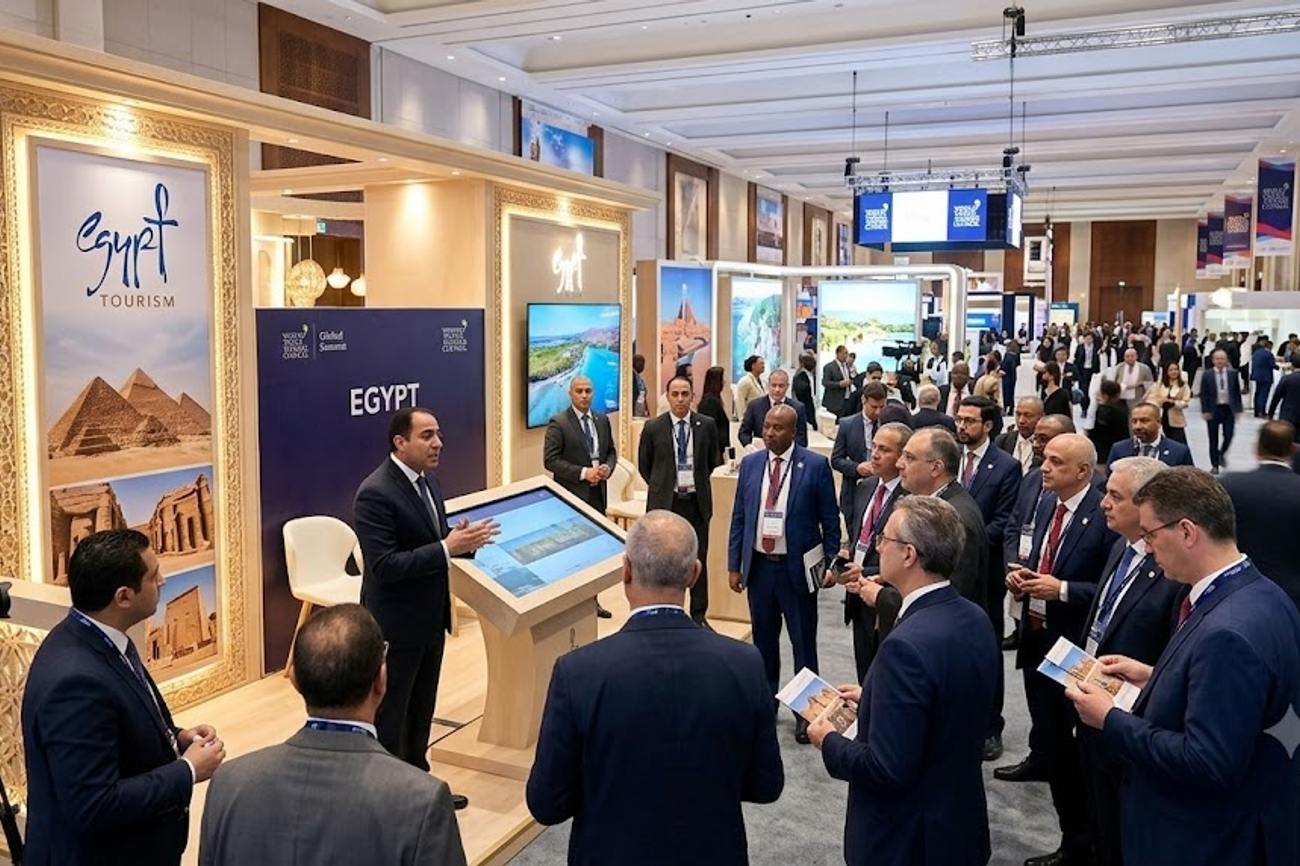
Image generated by AI
[Mediterranean, May 2024] — Egypt is pivoting its national tourism strategy to prioritize high-yield revenue over visitor volume, targeting a massive surge in tourism receipts to between $36 billion and $40 billion by 2030.
The shift was announced by Egyptian tourism leadership at the World Travel & Tourism Council (WTTC) Global Summit. While the government maintains its goal of welcoming 30 million annual arrivals by the end of the decade, the primary metric for success has shifted from "footfall" to "value," aiming to more than double current revenue projections within the next few years.
The Revenue Pivot
The Egyptian government is moving away from a mass-market model to capture a more affluent demographic. This financial recalibration is designed to maximize the economic impact per visitor, ensuring that growth is sustainable and distributed across various governorates rather than concentrated in a few hubs.
The scale of this ambition is reflected in the projected growth of tourism receipts:
| Metric | 2026 Forecast | 2030 Target | Growth Factor |
|---|---|---|---|
| Tourism Receipts | $18.58 Billion | $36 - $40 Billion | ~2x Increase |
| Annual Arrivals | (On Track) | 30 Million | Volume Baseline |
| New Hotel Rooms | 1,653 (H1 2026) | Expanding | Infrastructure Push |
Infrastructure and Premium Expansion
To attract high-spending travelers, Egypt is aggressively expanding its luxury hospitality inventory. In the first half of 2026 alone, the country added approximately 1,653 new hotel rooms. This expansion focuses on "premium infrastructure" rather than budget capacity.
The strategy includes a move toward "bespoke" travel. This involves a shift from standardized tours to personalized experiences, such as the use of dahabiyyas (traditional multi-masted sailing boats) and luxury Nile cruises. Additionally, the government is promoting boutique accommodations located outside traditional tourist circuits to encourage exploration of regional gastronomy and holistic wellness.
The center-piece of this push is the Grand Egyptian Museum (GEM). As the largest archaeological museum in the world dedicated to a single civilization, the GEM now houses the complete Tutankhamun collection for the first time since 1922. The Egyptian Tourism Authority (ETA) is positioning the GEM as a "gateway," intending for it to be the anchor of multi-region itineraries that lead travelers deeper into the country.
The Six-Pillar Framework
Minister of Tourism and Antiquities, H.E. Sherif Fathy, has outlined a six-point policy framework to stabilize and grow the sector:
- Investment Competitiveness: Streamlining regulations to attract Foreign Direct Investment (FDI) for infrastructure.
- Product Diversification: Expanding offerings beyond the Giza pyramids to include eco-tourism and luxury niches.
- Human Capital Development: Upgrading hospitality training to meet world-class service standards for high-net-worth individuals.
- Governance and Visitor Experience: Improving the end-to-end journey to increase repeat visitation.
- Sustainability and Transformation: Integrating "green" and digital transformations into the tourism ecosystem.
- Strategic Marketing: Utilizing the ETA to rebrand Egypt as a value-driven, diverse destination.
What This Means for Travelers
For the average tourist, Egypt's shift toward "high-yield" travel will result in a visible change in the available product and pricing.
Higher Costs for Premium Experiences Expect a rise in the availability—and price—of luxury offerings. The push for "high-yield" typically means a move away from all-inclusive budget packages toward curated, high-cost boutique experiences.
Enhanced Infrastructure Travelers will see a significant increase in high-end hotel options and improved facilities at major sites. The integration of 1,653 new rooms in early 2026 suggests a push to reduce bottlenecks in luxury accommodation.
Diversified Itineraries The government is actively trying to push visitors away from the "pyramids-only" trip. Travelers can expect more promoted packages that combine the Grand Egyptian Museum with the Red Sea, the Mediterranean coast, and the Western Desert, all accessible under a single visa.
Improved Service Standards The focus on "human capital development" suggests a nationwide effort to upgrade the quality of service in hotels and tour operations to meet the expectations of luxury travelers.
The Path to 2030
The immediate focus for the Egyptian government is the conversion of the Grand Egyptian Museum into a functional economic engine. By using the GEM as a starting point, Egypt intends to funnel high-spending tourists into less-visited regions, thereby spreading the $40 billion target across a wider geographic area.
The success of this strategy depends on the ability to attract FDI and the speed at which the workforce can be upskilled. If the government meets its 2026 infrastructure milestones, the transition from a volume-based economy to a value-based economy will likely accelerate heading into the 2030 window.
FAQ: Egypt Tourism Strategy 2024-2030
Will Egypt be more expensive for budget travelers? While the government is targeting high-spending visitors, budget options will remain. However, the primary marketing and infrastructure growth are now focused on premium, high-yield experiences, which may lead to a decrease in low-cost "mass-market" packages.
What is the Grand Egyptian Museum (GEM)? The GEM is the world's largest archaeological museum dedicated to one civilization. It is the new permanent home for the full Tutankhamun collection and serves as the primary anchor for Egypt's new luxury tourism strategy.
How many visitors is Egypt expecting by 2030? Egypt is targeting 30 million annual arrivals by 2030, but the priority has shifted toward increasing the amount of money each visitor spends rather than simply increasing the number of people.
What are dahabiyyas? Dahabiyyas are traditional, multi-masted sailing boats used for Nile cruises. They are being promoted as a more intimate, luxury alternative to the large, standardized cruise ships.
Egypt is betting that luxury is the fastest route to economic stability.
#EgyptTourism #WTTC2024 #GrandEgyptianMuseum #CairoTourism #HighYieldTravel #ETAEgypt
Related Travel Guides
Disclaimer
This article is for informational and educational purposes only. It does not constitute legal, financial, or professional advice. While we strive to provide accurate and up-to-date information, travel policies, regulations, and conditions change rapidly. Always verify information with official sources before making travel decisions. Nomad Lawyer makes no representations about the accuracy, reliability, completeness, or suitability of the information provided. Readers should consult qualified professionals for advice specific to their circumstances. The views expressed in this article are those of the author and do not necessarily reflect the views of Nomad Lawyer.
Naina Thakur
Contributor & Travel Specialist
Travel enthusiast and legal writer covering visa regulations, responsible tourism, and cultural journeys across global destinations.
Learn more about our team →