Japan Puts Business Travel In The Spotlight As Green Meetings And Bleisure Adventures Reinvent Work Trips

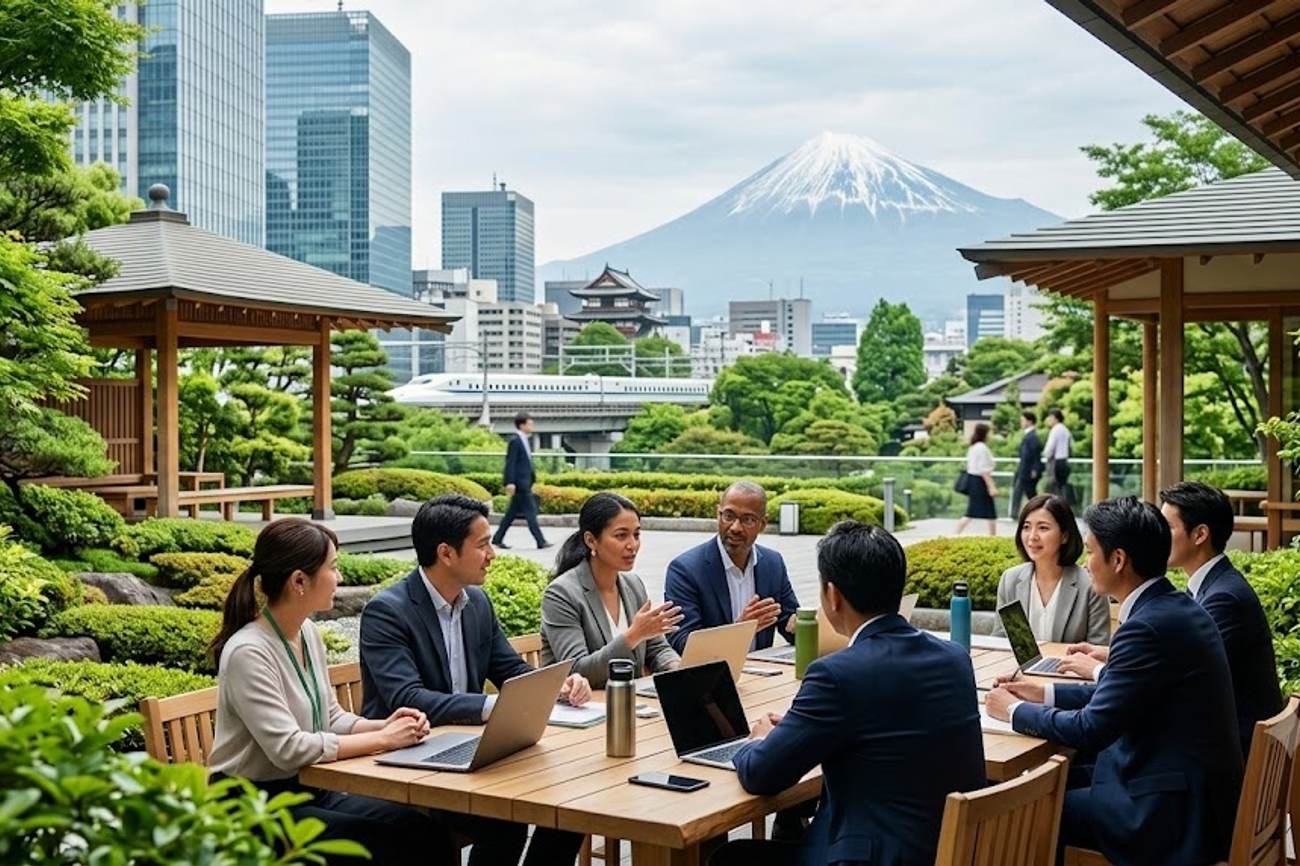
Image generated by AI
The traditional "salaryman" culture of rigid boardroom meetings is vanishing, replaced by a new era of "bleisure" where corporate executives are extending their stays to explore rural biodiversity and high-tech wellness retreats. While Japan has always been a hub for business, the current shift is driven by a generation of Gen-Z and Millennial professionals who refuse to separate their professional obligations from their desire for authentic cultural immersion and ecological wellness.
The Evolution of the Japanese Executive Journey
The way professionals engage with Japan is undergoing a fundamental structural change. We are seeing a move away from the sterile, high-pressure environments of the past toward a model that prioritizes flexibility and personal enrichment. This shift is powered by the integration of artificial intelligence, which is now being used to build hyper-personalized itineraries that balance tight corporate schedules with deep-dive explorations of the country's heritage.
This isn't just about adding a weekend to a business trip; it is a systemic change in how corporate travel is viewed. There is a surging demand for sustainable venues and eco-friendly hospitality infrastructure, forcing urban planners in cities like Tokyo and Osaka to rethink how they accommodate international delegates. The goal is now a seamless blend of productivity and presence, where a morning spent in a high-tech hub is balanced by an afternoon in a preserved forest or a historic temple.
What Makes Japan’s Current Appeal Unique
Japan manages to offer four distinct "speeds" of travel simultaneously, which is why it has become the gold standard for the modern professional.
First, there is the slow pace of Natural Scenery. This is currently the largest market share of the tourism landscape. It focuses on ecological wellness and rural escapes, moving beyond traditional sightseeing into glamping and adventure tourism. These initiatives are often tied to national park services, such as those managed by the Ministry of the Environment, aiming to revitalize rural economies that have suffered from depopulation.
Second is the intellectual depth of Humanistic Tourism. This involves using digital preservation technologies to protect fragile historical sites while allowing visitors to engage with them through immersive storytelling. It is a delicate balance between providing access to UNESCO World Heritage sites and preventing the degradation caused by over-tourism.
Third is the high-velocity commercial energy. Culinary tourism and duty-free retail act as massive revenue multipliers. The deregulation of cross-border commerce has made it easier for visitors to acquire prestige goods and explore gastronomic markets, which often serve as the primary social hubs for visiting professionals.
Finally, there is the specialized niche of medical and wellness tourism. This provides a buffer against economic volatility, catering to a health-conscious corporate class that seeks longevity treatments and mental wellness retreats alongside their business dealings.
Visitor Insider Tips
To experience Japan through a local lens rather than a corporate brochure, you have to timing your movements and your choices carefully.
Timing and Crowds Avoid the "Golden Week" (late April to early May) and the peak autumn foliage window in Kyoto if you seek peace. For those blending work and play, the "shoulder seasons" of late May or October offer the best balance of weather and accessibility. To avoid the crush at major shrines, arrive by 7:00 AM; by 10:00 AM, the experience shifts from spiritual to crowded.
Local Etiquette for the Modern Professional While Japan is becoming more flexible, the "bleisure" traveler should still respect the distinction between omote (public face) and ura (private face). In business settings, maintain formality, but when venturing into rural glamping or local eateries, a shift toward casual, respectful curiosity is welcomed. Always carry a small amount of cash for rural areas, as the "seamless digital ecosystem" often ends where the pavement does.
Gastronomic Hacks Skip the viral social-media queues in Ginza. Instead, head to the depachika (department store basement food halls) for world-class culinary curation, or seek out izakayas in the narrow alleys of Shinjuku or Osaka's Namba district, where the real networking happens over yakitori and highballs.
Transport Strategy For those moving between the urban hubs and the natural scenery segments, the Japan Rail Pass remains a staple, but for deeper rural penetration, renting a car is essential. Use the official Japan Rail portals to coordinate your long-distance movements to maximize your limited downtime.
Comparative Travel Dynamics in Japan
| Segment | Primary Driver | Key Experience | Economic Impact |
|---|---|---|---|
| Natural Scenery | Ecological Wellness | Glamping & National Parks | Rural Revitalization |
| Humanistic | Cultural Immersion | Digital Heritage Sites | Preservation Funding |
| Commercial | Prestige & Taste | Duty-Free & Gastronomy | High Revenue Multiplier |
| Specialized | Health Consciousness | Medical Tourism & Retreats | Market Stability |
Cultural and Environmental Context
The rise of "bleisure" and nature-focused travel is not without friction. Japan is currently grappling with the paradox of wanting to revitalize its dying rural villages while protecting them from the environmental degradation that accompanies mass tourism. The shift toward "ecological wellness" is a conscious effort to move visitors away from the "Golden Route" (Tokyo-Kyoto-Osaka) and into the periphery.
Furthermore, the use of digital preservation is a response to the fragility of Japan's wooden architecture. By creating digital twins of historical monuments, the country can offer immersive educational experiences to corporate delegates without physically wearing down the structures. This intersection of high-tech AI and ancient preservation is where Japan is currently leading the global tourism industry.
FAQ: Visiting Japan 2025
What is the best time to visit for a mix of business and leisure? Late May or October. You avoid the extreme humidity of summer and the peak crowds of cherry blossom season, making it easier to secure bookings for both sustainable venues and luxury hotels.
Do I need a visa for a short-term business/leisure trip? It depends on your nationality. Many countries have visa-waiver agreements with Japan for short stays. Check the official Ministry of Foreign Affairs website or your local embassy for the most current requirements.
How do I get from Tokyo to the rural natural scenery areas? The Shinkansen (bullet train) is fastest for reaching regional hubs, but you will need to rent a car or use local buses to reach glamping sites and national parks.
Is Japan safe for solo business travelers? Extremely. Japan is one of the safest destinations globally. Solo travelers can comfortably navigate both the neon-lit streets of Tokyo and the quiet trails of the Japanese Alps.
Trade the boardroom for the bamboo grove—the new Japanese professional knows that the best deals are often made outside the office.
#TokyoBusinessTravel #JapanBleisure2025 #VisitJapan #RuralJapanRevitalization #JapaneseCulinaryTourism
Related Travel Guides
This article is for informational purposes. Flight routes, passenger regulations, visa rules, and transit advisories are subject to change by airlines and aviation authorities. Readers are advised to verify schedules and travel documentation with relevant carriers and border agencies before departure.
Related Stories

Helen Tustin Joins ABTA Board as Richard Slater Steps Down After Three-Year Term
Malaysia Airlines is Exploring Better Travel Payments in Malaysia and Indonesia with New BCA and Novus Pact