Malaysia Airlines is Exploring Better Travel Payments in Malaysia and Indonesia with New BCA and Novus Pact

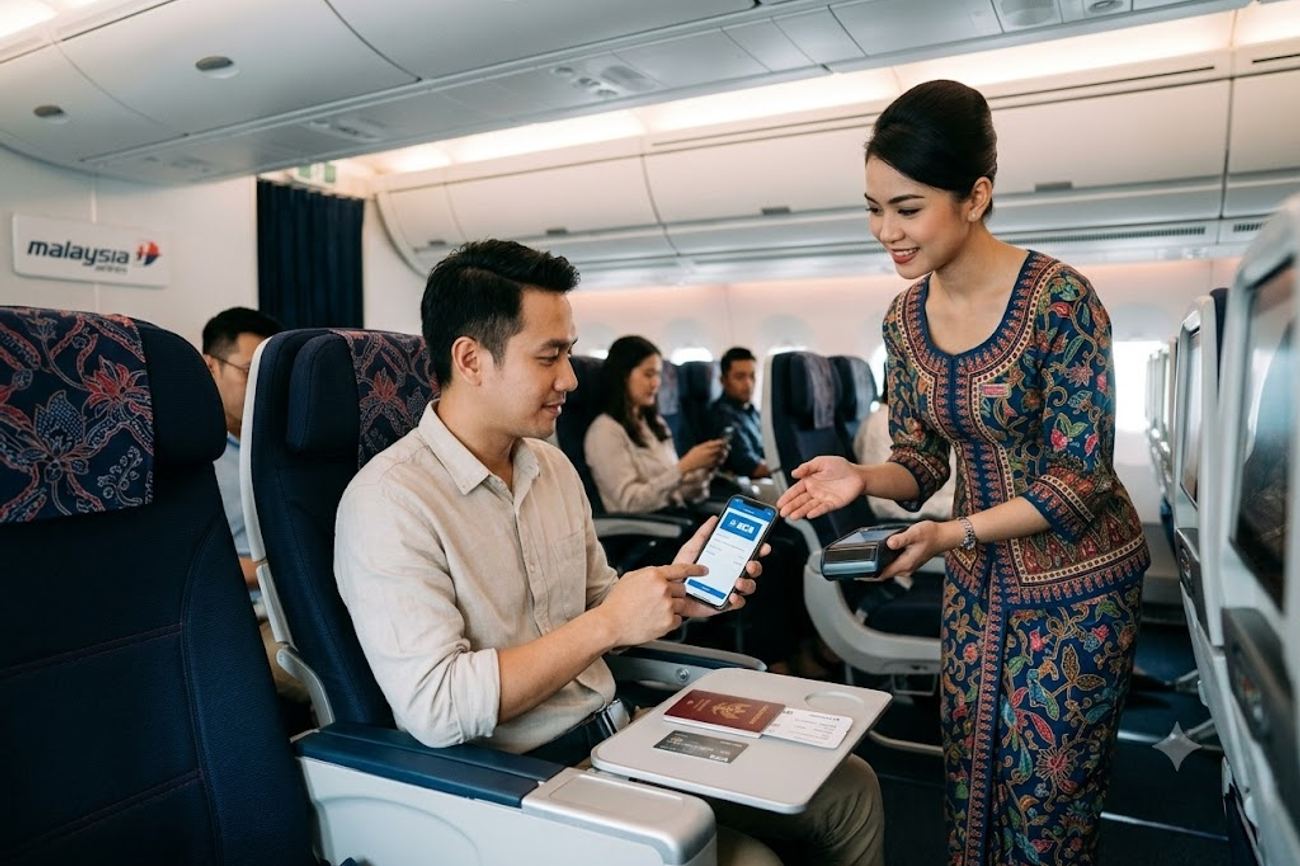
Image generated by AI
4,145,127 Indonesian visitors arrived in Malaysia during 2024, a figure that underscores the massive commercial scale driving a new, high-level agreement between the aviation, banking, and technology sectors of both nations. Confirmed in a corporate statement reviewed on 5 October 2026, this memorandum of understanding (MoU) seeks to synchronize travel payments and deepen customer engagement across the two Southeast Asian neighbors. While the agreement signals a strategic alignment of financial and transport infrastructure, it currently lacks a public launch date, specific service terms, or a defined set of consumer benefits.
The Architecture of a Commercial Alliance
The current agreement is not a government treaty or a diplomatic shift in immigration policy; rather, it is a commercial framework designed to bridge the gap between how travelers move and how they spend. By linking aviation entities with financial institutions and tech providers, the partnership aims to create a more integrated ecosystem for business and leisure travelers.
However, a critical distinction must be made: this MoU does not alter visa requirements, passport protocols, or flight frequencies. It is an operational play to capture more value from existing traffic. The partnership arrives at a time when digital payment adoption in Malaysia is accelerating at a pace that makes such an alliance inevitable. According to data from the International Air Transport Association (IATA), the integration of payment systems into the travel journey is a primary driver for reducing friction in regional tourism.
Market Scale and Payment Velocity
To understand why this partnership is being pursued, one must look at the sheer volume of digital capital moving through Malaysia. The domestic shift toward a cashless society provides the necessary foundation for this cross-border venture.
The following data outlines the current state of digital transactions in Malaysia and the specific bilateral corridor between Malaysia and Indonesia:
| Metric | Value / Figure | Period/Context |
|---|---|---|
| Total Malaysian Electronic Transactions | 18.4 Billion | 2025 (up 25% from 2024) |
| Average Payments Per Person (Malaysia) | 538 | 2025 (vs 432 in 2024) |
| Domestic QR Transactions (Malaysia) | 3 Billion | 2025 (doubled from 1.5B in 2024) |
| Registered QR Touchpoints (Malaysia) | ~3 Million | End of 2025 |
| Bilateral QR Transactions (MY-ID) | 10.66 Million | May 2023 – Feb 2026 |
| Total Bilateral Transaction Value | Rp2.75 Trillion | May 2023 – Feb 2026 |
| Indonesian Visitor Arrivals to Malaysia | 4,145,127 | 2024 (19.1% growth over 2023) |
| Weekly Flight Capacity (March 2025) | 580 Flights | 106,134 Weekly Seats |
Expert Analysis: The "Frictionless Corridor" Strategy
For travelers booking routes between Kuala Lumpur and Jakarta, the direct consequence of this agreement is not immediate, but the long-term trajectory is clear: the goal is the elimination of "currency anxiety."
The pricing pressure this creates means that traditional currency exchange bureaus and high-fee credit card processors will face increased competition. By integrating banking and aviation, the partners are likely eyeing a "closed-loop" experience where a flight booking triggers a customized payment profile, allowing the traveler to move from the aircraft to a hotel and then to a merchant using a single, integrated digital identity.
The data reveals a significant gap: while there are 10.66 million bilateral transactions, there were over 4 million visitors in a single year. This suggests that a vast majority of travelers are still relying on legacy payment methods or cash. For the banks involved, this represents an untapped revenue stream. For the traveler, the potential benefit is a reduction in transaction fees and the removal of the need to carry multiple currencies. However, until the "service conditions" mentioned in the MoU are published, these benefits remain theoretical. The risk for the consumer is that "closer engagement" could simply be a euphemism for increased data sharing between airlines and banks.
Key Takeaways
- No Immigration Changes: The agreement is strictly commercial; it does not grant new entry entitlements, change visa rules, or alter passport requirements.
- Infrastructure Predates Agreement: A commercial QR payment link has been active since 8 May 2023, meaning the current MoU is an evolution of existing tech, not a brand-new invention.
- Scale of Demand: With Indonesian arrivals in Malaysia growing 6.8% over 2019 levels, the commercial incentive to streamline payments is driven by a permanent increase in traveler volume.
- Undefined Benefits: There are currently no confirmed cashback offers, loyalty point transfers, or fee reductions available to the public.
- Digital Acceleration: Malaysia's jump to 18.4 billion electronic transactions in 2025 provides the liquidity and user-habit foundation required for this partnership to succeed.
FAQ: Malaysia-Indonesia Travel Payments 2026
Do I need a new app to use the Malaysia-Indonesia payment system? Currently, you should continue using the payment providers and apps already supported by your bank. The new agreement has not yet launched a specific new customer service or application.
Will this agreement make flights between Malaysia and Indonesia cheaper? No. The MoU focuses on financial cooperation and payment engagement. It does not mandate fare reductions or the addition of new flight routes.
Can I use this partnership to skip visa queues? No. The official corporate announcement explicitly states that the partnership does not involve immigration reform or changes to entry requirements.
Is my money safer using the bilateral QR connection than a credit card? Safety depends on the specific banking provider. The bilateral connection, supported by central bank frameworks, aims for convenience and efficiency, but users should check their specific bank's security terms.
The bridge between aviation and banking is built, but travelers are still waiting for the toll gates to open.
Tags: Malaysia-Indonesia Corridor, Cross-Border QR Payments, ASEAN Aviation Finance, Bank Negara Malaysia, Indonesian Tourism 2026
Related Travel Guides
This article is for informational purposes. Flight routes, passenger regulations, visa rules, and transit advisories are subject to change by airlines and aviation authorities. Readers are advised to verify schedules and travel documentation with relevant carriers and border agencies before departure.
Related Stories

Japan Puts Business Travel In The Spotlight As Green Meetings And Bleisure Adventures Reinvent Work Trips

Helen Tustin Joins ABTA Board as Richard Slater Steps Down After Three-Year Term