
Ecuador's Cuenca Integrates 10.7km Tranvía Light Rail System Within UNESCO World Heritage Zone in 2026
Cuenca, Ecuador, establishes a global benchmark for heritage tourism by linking its UNESCO World Heritage colonial center to Mariscal La Mar Airport via a 10.7km sustainable tramway.

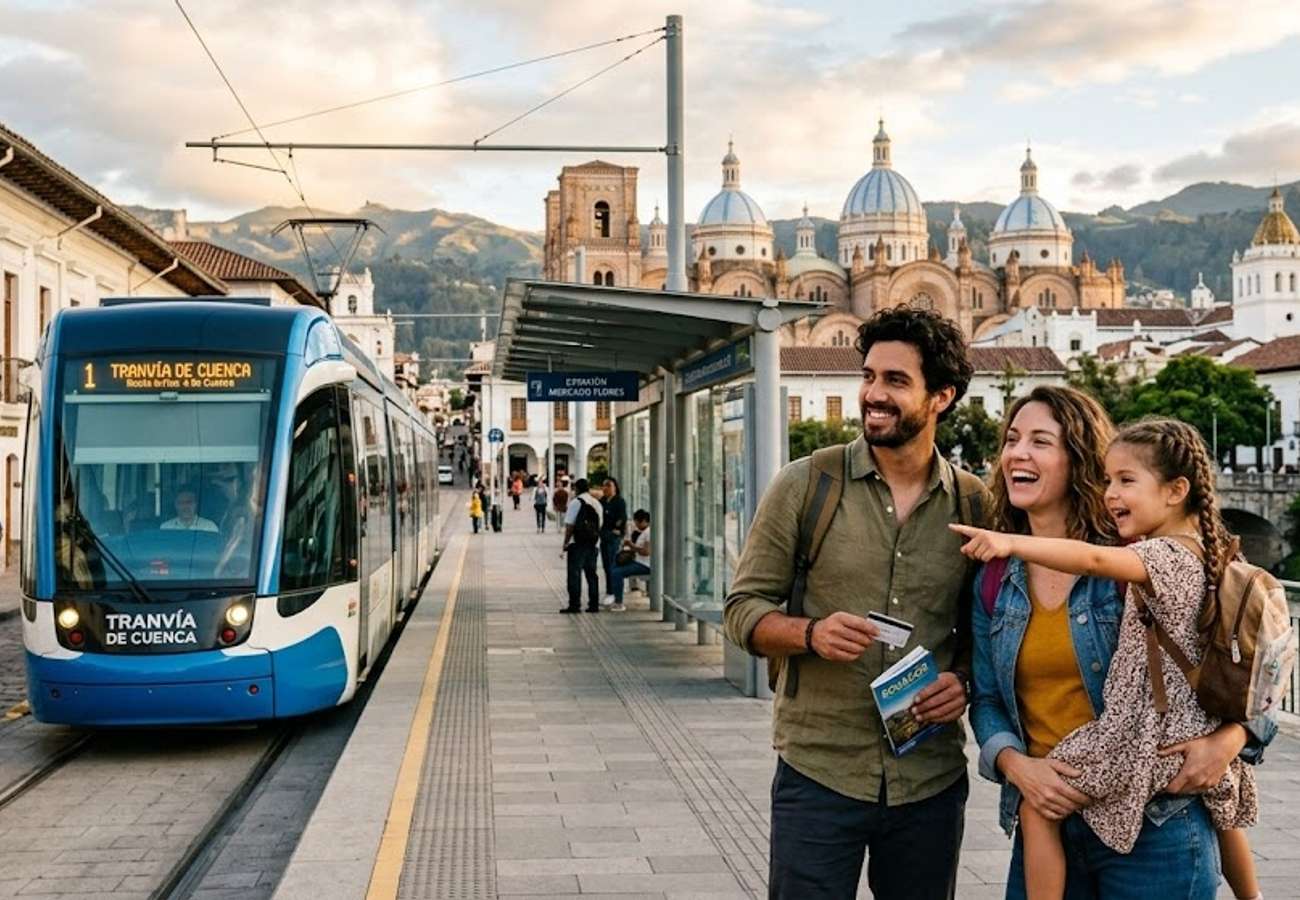
Image generated by AI
The Tranvía de Cuenca has successfully integrated a 10.7-kilometre modern light rail system into a UNESCO World Heritage landscape, eliminating the need for private vehicles between the airport and the historic center.
The Core Transit Update: Modernizing Heritage Mobility
Cuenca, Ecuador, has transitioned its urban mobility strategy by deploying the Tranvía de Cuenca, a sustainable light rail network designed to coexist with the city's colonial architecture. The system serves as a primary tourism corridor, reducing road congestion in the Centro Histórico while providing a low-emission alternative for both residents and international visitors.
The most significant operational upgrade is the implementation of intermodal ticketing. Travelers now utilize a single contactless smart card to transition between the tramway and the broader city bus network. This eliminates the friction of purchasing multiple ticket types and streamlines the arrival process for those landing at Mariscal La Mar Airport or arriving via regional bus terminals from Quito and Guayaquil.
Transit Route and Network Specifications
The following table outlines the technical and operational parameters of the Cuenca transit system.
| Parameter | Specification |
|---|---|
| Network Name | Tranvía de Cuenca |
| Total Route Length | 10.7 Kilometres |
| Primary Hubs | Mariscal La Mar Airport (CUE), Centro Histórico, Regional Bus Terminals |
| Key Scenic Access | Río Tomebamba Waterfront |
| Payment Method | Integrated Contactless Smart Card |
| Environmental Impact | Electric Light Rail (Zero Direct Emissions) |
| Heritage Status | Operates within UNESCO World Heritage Site |
Traveler Logistics Guide: Navigating Cuenca
From a ground-level perspective, the best way to navigate Cuenca is to avoid taxis for primary transfers and rely on the Tranvía's integrated loop.
Airport to City Center Transfers Upon arrival at Mariscal La Mar Airport (CUE), located approximately 3 km from the center, the tram provides the most direct link to the historic district. Rather than negotiating fares with airport taxis, passengers should secure a contactless smart card immediately to access the tram.
Optimizing the "Heritage Loop" To maximize efficiency, use the tram to reach the perimeter of the Centro Histórico and then transition to walking. The system is designed to drop passengers at the edge of high-density colonial zones, allowing for a pedestrian-first exploration of the New Cathedral and Calderón Park.
Navigating the Waterfront For those visiting the Río Tomebamba, the tram provides the most reliable access to the riverside trails. The best strategy is to ride the tram to the nearest waterfront station and then utilize the pedestrian bridges to access the gardens and cafés, avoiding the traffic bottlenecks of the central plazas.
Currency and Payments Note that Ecuador utilizes the United States Dollar (USD). Ensure your contactless card is topped up at official kiosks located at the Terminal Terrestre de Cuenca or the airport to avoid delays during intermodal transfers.
Infrastructure Impact Assessment
The deployment of the Tranvía de Cuenca represents a shift in South American urban planning, proving that high-capacity modern transit does not have to degrade the aesthetic or structural integrity of UNESCO-protected zones. By diverting traffic away from the cobbled streets of the colonial center, the city has increased the "walkability" score of its tourism district.
Furthermore, the connection between the regional bus terminals and the airport creates a seamless transit triangle. This encourages higher tourist dwell times in the city center, as the psychological barrier of navigating an unfamiliar city via fragmented bus routes has been removed. The economic ripple effect is most evident in the increased accessibility of local artisan markets and galleries, which were previously hindered by limited parking and heavy traffic.
Cuenca's integration of electric rail into a colonial grid sets a scalable precedent for heritage cities worldwide.
Related Travel Guides
Disclaimer
This article is for informational and educational purposes only. It does not constitute legal, financial, or professional advice. While we strive to provide accurate and up-to-date information, travel policies, regulations, and conditions change rapidly. Always verify information with official sources before making travel decisions. Nomad Lawyer makes no representations about the accuracy, reliability, completeness, or suitability of the information provided. Readers should consult qualified professionals for advice specific to their circumstances. The views expressed in this article are those of the author and do not necessarily reflect the views of Nomad Lawyer.
Kunal K Choudhary
Co-Founder & Contributor
A passionate traveller and tech enthusiast. Kunal contributes to the vision and growth of Nomad Lawyer, bringing fresh perspectives and driving the community forward.
Learn more about our team →