
EasyJet Passengers Stranded in Milan After EU Biometric System Chaos
Over 120 EasyJet passengers missed their Manchester flight after getting trapped in hours-long biometric border queues at Milan Linate airport on April 17-19, 2026, as the EU's new Entry/Exit System overwhelmed airport infrastructure.

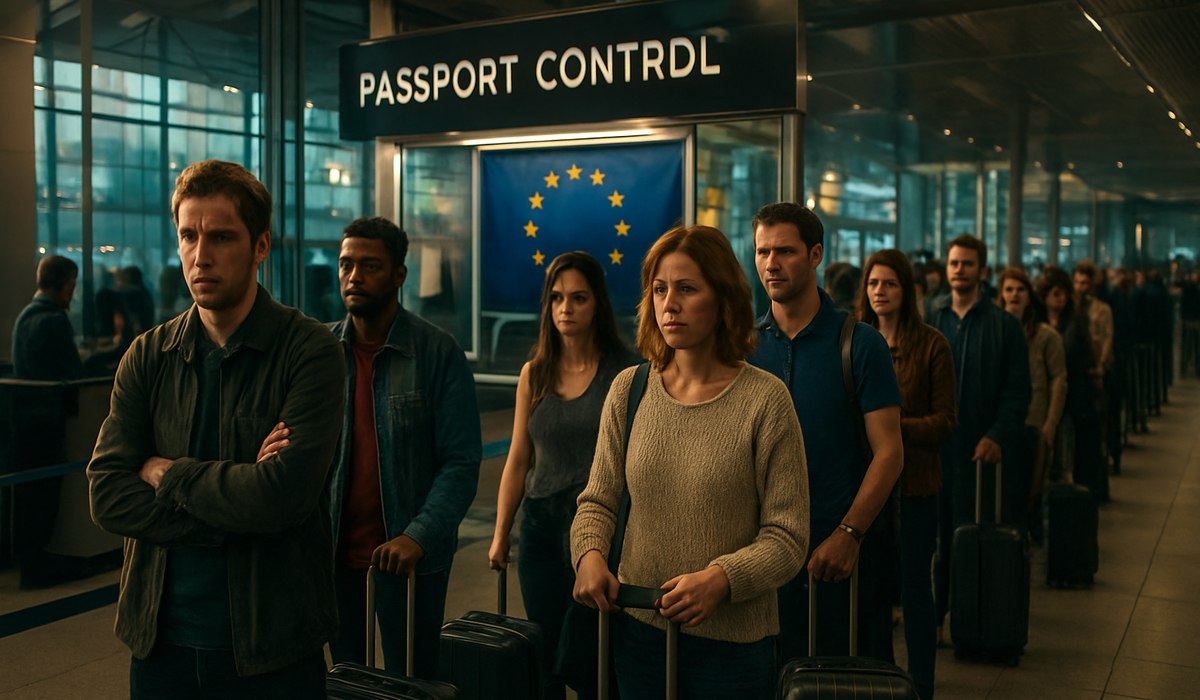
Image generated by AI
120+ EasyJet Passengers Stranded After Missing Flight at Milan Linate
Over 120 EasyJet passengers were stranded in Milan after missing flight U2 1864 to Manchester during the weekend of April 17–19, 2026. The missed departure resulted from extensive delays at biometric passport control, where officers processed non-EU travellers through the European Union's newly operational Entry/Exit System. Passengers who had already completed airline check-in and security screening found themselves trapped in queues stretching several hours, ultimately preventing them from reaching the departure gate before boarding concluded.
The incident marks one of the first major airport gridlock events linked to the EU's Entry/Exit System rollout across Schengen external borders. Travellers subsequently faced days of unplanned accommodation, meal costs, and rebooking complications while scrambling to find alternative flights to the United Kingdom.
How the EU's New Entry/Exit System Works
The EU's Entry/Exit System, commonly abbreviated as EES, became fully operational at Schengen external borders in April 2026. This electronic registration platform replaces traditional manual passport stamping for short-stay visitors from non-EU nations with a digital database tracking entries and exits across the Schengen zone.
When EasyJet passengers stranded in Milan encountered border control, officers required eligible travellers to provide biometric data including four fingerprints and a facial photograph. This information is collected alongside personal details and travel document verification. The process occurs at staffed border-control checkpoints and cannot currently be automated through self-service kiosks, even for passengers who previously submitted similar data during visa applications.
Industry experts and airport operators had warned that combining biometric capture with existing document verification—without corresponding increases in border staff or automated infrastructure—would create bottlenecks during peak travel periods. The Milan incident validated these concerns, demonstrating how rapidly local resources become overwhelmed when multiple aircraft carrying non-EU passengers arrive within a compressed timeframe.
Why Milan Linate Became an EES Pressure Point
Milan's airport system processes substantial volumes of UK leisure and business travel, positioning it as a critical test environment for the new biometric border regime. While the EasyJet passengers stranded incident occurred at Milan Linate, the city's wider airport network—including Malpensa—serves as a primary hub for EU border deployment operations.
Traveller accounts indicate that passport-control facilities at Linate became saturated beyond normal capacity. Biometric queues reportedly extended beyond designated serpentine barriers into the main departures area. Some passengers reported waiting nearly three hours while border officers completed individual biometric enrolment, a procedure involving data capture, system verification, and clearance authorization for each traveller.
Bottlenecks intensified on outbound journeys to non-Schengen destinations like the United Kingdom. Passengers first complete airline procedures, then enter the EES queue, leaving minimal time buffer before boarding closure. When border processing exceeds the window between check-in and gate closure, even punctual travellers miss flights—exactly what occurred with the Manchester-bound EasyJet service.
Cascading Costs: Accommodation, Meals, and Rebooking Expenses
EasyJet passengers stranded in Milan faced substantial unplanned expenses while awaiting alternative transportation to Manchester. The disruption occurred over a weekend, complicating rebooking options and extending stays in the Italian city.
Affected travellers incurred costs for hotel accommodation, meals, ground transportation, and airport transfers while attempting to secure seats on subsequent flights. Some passengers reported receiving rebooking assistance from EasyJet, while others faced seat availability limitations that extended their Milan stays beyond initial expectations. A subset of stranded passengers expected the airline to cover accommodation and meal expenses, though compensation responsibility remains legally ambiguous when border procedures cause delays.
Travel law specialists note that airline compensation obligations become complex when disruption stems from government-mandated security procedures considered beyond carrier control. However, many airlines address stranded passenger situations through commercial goodwill gestures, including rebooking priority, meal vouchers, and accommodation assistance, even when legal liability remains uncertain.
What Travellers Need to Know About EES Delays
The Milan incident highlights critical considerations for travellers crossing EU external borders in 2026 and beyond. Understanding EES procedures and planning accordingly can reduce risk of missed connections.
Non-EU nationals should anticipate extended processing times at Schengen border control. Arriving significantly earlier than airline check-in requirements recommend provides additional buffer against biometric queue delays. Travelling during off-peak hours—early morning or late evening flights—may reduce congestion at passport control. EasyJet passengers stranded in Milan reported that daytime weekend departures created particularly severe bottlenecks.
Passengers should confirm their airline's policies regarding missed flights caused by border delays. Documentation of border queue times may support compensation claims or goodwill assistance requests. Travel insurance covering accommodation and meal costs during flight disruptions provides financial protection. Booking connecting flights with generous layover time reduces vulnerability to border processing delays affecting onward connections.
| Aspect | Details |
|---|---|
| Incident Date | April 17–19, 2026 |
| Airport | Milan Linate |
| Affected Passengers | 120+ EasyJet travellers |
| Destination | Manchester, UK |
| Flight Number | U2 1864 |
| Primary Cause | EES biometric processing delays |
| Queue Wait Time | Up to 3 hours reported |
| System Requirement | 4 fingerprints + facial image capture |
| Stranding Duration | Several days |
| Key Cost Impact | Unplanned accommodation, meals, rebooking |
What This Means for Travellers
The Milan EasyJet passengers stranded incident demonstrates that border infrastructure remains unprepared for peak biometric processing demands under the new EU Entry/Exit System. Travellers should implement practical strategies to minimize disruption risk:
-
Arrive Earlier Than Standard: Plan to reach the airport at least four hours before international departures, allowing substantial buffer time for EES queues alongside traditional security screening.
-
Monitor Real-Time Airport Information: Check Milan Linate and other major airports' social media channels and websites for published border queue status and average processing times before travel.
-
Verify Your Biometric Eligibility: Non-EU citizens should understand whether they require EES enrolment. EU, EEA, and Swiss nationals bypass biometric processing entirely.
-
Purchase Comprehensive Travel Insurance: Select policies covering accommodation, meals, and rebooking costs during flight disruptions caused by border delays.
-
Book Flights During Off-Peak Hours: Where schedule flexibility exists, select early morning or late evening departures to reduce border control congestion compared to midday flights.
-
Document All Delays: If experiencing border queue delays affecting flight connection, photograph queue conditions and note exact times. This documentation supports potential compensation claims or airline goodwill requests.
-
Request Airline Assistance Proactively: Immediately notify EasyJet or your carrier if border delays appear likely to cause missed departure. Airlines can sometimes arrange priority rebooking or accommodation assistance.
Frequently Asked Questions
Q: Will I face compensation if I miss a flight due to EES border delays?
A: Compensation eligibility depends on whether border delays qualify as "extraordinary circumstances" under EU Regulation 261/2004. Airlines typically bear no legal obligation to compensate when government border procedures cause delays, though many offer rebooking or meal assistance voluntarily for customer relations purposes.
Q: How long does EES biometric processing actually take per passenger?
A: The Milan incident recorded processing times ranging from 30 minutes to three hours per traveller, depending on queue volume and officer efficiency.
Disclaimer
This article is for informational and educational purposes only. It does not constitute legal, financial, or professional advice. While we strive to provide accurate and up-to-date information, travel policies, regulations, and conditions change rapidly. Always verify information with official sources before making travel decisions. Nomad Lawyer makes no representations about the accuracy, reliability, completeness, or suitability of the information provided. Readers should consult qualified professionals for advice specific to their circumstances. The views expressed in this article are those of the author and do not necessarily reflect the views of Nomad Lawyer.
Preeti Gunjan
Contributor & Community Manager
A passionate traveller and community builder. Preeti helps grow the Nomad Lawyer community, fostering engagement and bringing the reader experience to life.
Learn more about our team →