
Breaking Airline News: easyJet Deploys 100th Airbus A320neo to Violently Combat Severe European Travel Chaos and Grounding Threats
Breaking airline news: Amidst a terrifying era of severe regulatory restrictions, easyJet aggressively deploys its 100th Airbus A320neo in Hamburg, violently shielding European passengers from extreme travel chaos and massive flight cancellations.

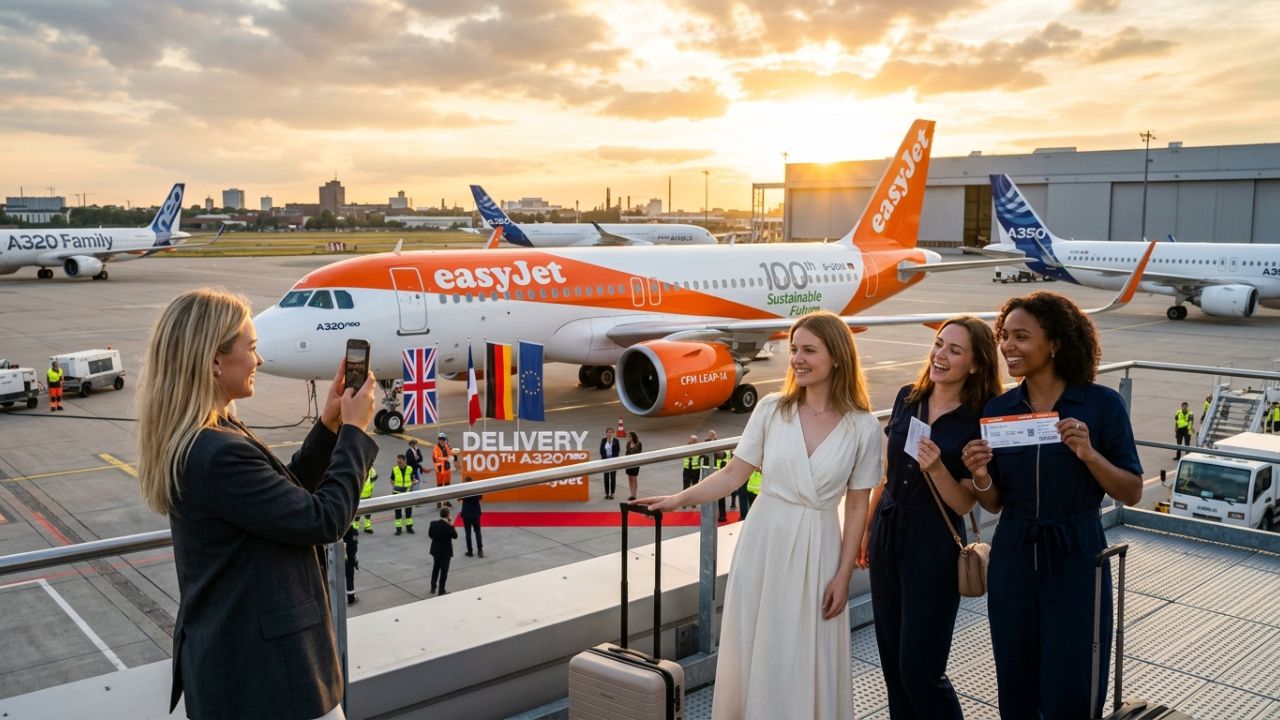
Image representing the intense strategic battle as easyJet desperately injects massive, highly efficient Airbus A320neo capacity into the European corridor, combating severe regulatory friction to prevent a massive operational meltdown.
Breaking Airline News: easyJet Deploys 100th Airbus A320neo to Violently Combat Severe European Travel Chaos and Grounding Threats
As paralyzing environmental curfews, terrifying fuel cost spikes, and severe operational fragility violently threaten to completely shatter passenger mobility across Europe, a major low-cost carrier has executed a massive infrastructural defense. In a desperate bid to physically and psychologically rescue tourists and business commuters from the terrifying threat of extreme travel chaos triggered by severe regulatory flight cancellations, easyJet has aggressively accelerated its fleet modernization. Operating from the high-stakes manufacturing hub in Hamburg, the airline has officially taken delivery of its 100th Airbus A320neo Family aircraft. This critical acquisition represents the ultimate weapon against the severe airport disruptions currently destroying the regional travel experience across the United Kingdom, Germany, France, Spain, Italy, and the Netherlands. By violently injecting heavily fortified, highly efficient CFM LEAP-1A-powered aircraft into the market, easyJet is actively building an impenetrable shield against the agonizing misery of strict noise curfews and the financial degradation defining legacy short-haul transit.
In a harrowing display of modern aviation vulnerability, the sheer logistical nightmare of attempting to navigate essential European corridors has historically forced passengers into terrifying transit scenarios. For years, securing a reliable budget ticket meant risking extreme physical exhaustion—navigating violently overloaded terminals, staring at departure boards during rolling delays caused by aging aircraft breaking environmental noise limits, and arriving at the destination completely drained by the threat of sudden flight cancellations. However, easyJet is aggressively fighting back against this structural paralysis. By introducing its 100th NEO aircraft, the advanced Airbus family now constitutes more than a quarter of easyJet’s total 359-aircraft portfolio. Travelers now possess the absolute assurance that once they breach the doors of these newly deployed A320neos, they are physically shielded from the devastating effects of paralyzed transport networks, ensuring they land perfectly recovered and completely insulated from the terrifying threat of infrastructure-induced stress.
Expanded Overview: The Massive Scale of the Fleet Defense
The terrifying crisis of overwhelming passenger stress currently gripping the global travel network brutally exposes the severe limitations of legacy carriers operating outdated, heavily polluting hardware. Recognizing that aggressively forcing millions of passengers onto aging aircraft leads directly to severe regulatory grounding and broken itineraries, easyJet’s massive operational deployment fundamentally rewrites the European matrix. The sheer scale of this infrastructural defense is immense. This unprecedented 100-aircraft milestone not only shields passengers from travel chaos but actively weaponizes operational efficiency, ensuring that travelers entirely bypass the severe congestion of heavily bottlenecked airports through aggressive, scientifically engineered noise reduction and fuel management.
Section-Wise Breakdown: The Operational Realignment
Shattering the Regulatory Gridlock: The Airbus A320neo Shield
To survive the terrifying surge in European environmental legislation without triggering immediate terminal meltdowns, easyJet is heavily fortifying its footprint. The Airbus A320neo serves as a massive regulatory bypass mechanism. Because legacy aircraft are increasingly banned from operating during critical early morning or late-night slots due to severe noise pollution laws, airlines utilizing older jets face massive flight cancellations. The A320neo, armed with CFM LEAP-1A engines, aggressively slashes its noise footprint, allowing easyJet to maintain uninterrupted, high-frequency connectivity while competitors are violently grounded by local airport authorities.
Securing the Passenger Extraction: Airspace Cabin Upgrades
Looking beyond the engines, the program executes a massive secondary defense strategy targeting physical capacity and passenger endurance. The 100th aircraft is the absolute first in easyJet’s fleet to feature Airbus’ latest Airspace cabin. This interior upgrade acts as a massive sanctuary against the claustrophobic exhaustion of modern airports. With advanced LED lighting, touchless lavatories, and braille seat-row indicators, the cabin drastically reduces psychological friction. Furthermore, easyJet is violently executing a retrofit program, upgrading 81 existing Airbus A320neo and A321neo aircraft to ensure passengers are protected from the misery of outdated interiors.
The Operational Efficiency Fortress: Advanced Navigation and Fuel Tactics
This massive infrastructural shift is heavily defined by its commitment to mitigating operational delays. Beyond the aircraft frame, easyJet is aggressively deploying advanced winglet technology (sharklets), single-engine taxiing procedures, and lighter paint systems to drastically reduce turnaround times and fuel burn. Future deliveries will also be heavily armored with innovative LED Multi-Functional Runway Lights designed to reduce aerodynamic drag. This brutal efficiency mandate ensures seamless operations, effectively eliminating the mechanical and logistical delays that trigger terrifying travel chaos on short-haul European connections.
The 2035 Horizon: Kestrel Seats and Absolute Decarbonization
The strategic implications of this fleet overhaul extend into the next decade. As part of its aggressive roadmap to violently slash carbon emissions intensity by 35% by 2035, easyJet is preparing to deploy ultra-lightweight Kestrel seats starting in 2028. These scientifically engineered seats are more than 20% lighter while adding up to two inches of critical legroom, ensuring passenger survival during intense summer travel surges while maintaining the airline's highly competitive cost structure.
easyJet Disruption Mitigation Matrices
To fully comprehend the massive logistical and strategic fallout of this terrifyingly efficient network defense, corporate travel managers and affected tourists must review the exact operational metrics defining the easyJet capacity strain. The following matrices provide a granular breakdown of the specific, officially verified aircraft data driving this massive disruption mitigation effort.
Fleet Metric
| Metric | Status |
|---|---|
| Total easyJet Fleet | 359 Aircraft |
| Airbus NEO Family Aircraft | 100 |
| Share of Fleet | More Than 25% |
| Delivery Location | Hamburg |
| Aircraft Family | Airbus A320neo |
Sustainability Feature
| Feature | Benefit |
|---|---|
| Fuel Burn Reduction | Up to 20% |
| CO₂ Emissions Reduction | Up to 20% Per Seat |
| Noise Reduction | Approximately 50% |
| SAF Capability Today | Up to 50% |
| Future SAF Potential | Pathway to 100% |
Cabin Upgrade
| Upgrade | Passenger Benefit |
|---|---|
| LED Lighting | Enhanced Ambiance |
| Touchless Lavatories | Improved Hygiene |
| Braille Indicators | Better Accessibility |
| Refreshed Interiors | Greater Comfort |
| Redesigned Galleys | Improved Service Efficiency |
Future Initiative
| Initiative | Strategic Impact |
|---|---|
| Kestrel Seats | Reduced Weight |
| Additional Legroom | Improved Comfort |
| Fleet Modernization | Lower Emissions |
| Advanced Navigation Systems | Better Efficiency |
| 2035 Target | 35% Emissions Intensity Reduction |
Passenger Impact: Surviving the Regional Jump
For the millions of global travelers attempting to navigate the rapidly collapsing transit corridors of Europe, this massive fleet modernization represents a highly anticipated lifeline against severe delays. The brutal reality of enduring a terrifyingly sudden cancellation because an aging jet broke a local airport noise curfew inflicts intense psychological stress—leaving the passenger entirely stranded and missing critical scheduled events. By aggressively booking tickets on easyJet’s heavily fortified new A320neos, passengers drastically reduce their exposure to these terrifying logistical environments, securing a highly reliable connection that completely bypasses the domino effect of regional travel chaos.
Survival Guide for Budget Travelers
Travelers desperately preparing to navigate the modernized global network must immediately execute the following survival protocols:
- Violently Target the NEO Fleet: If you are booking a short-haul extraction, you must aggressively filter your searches to guarantee you are flying on easyJet's newly deployed A320neo aircraft. The 50% noise reduction heavily insulates these flights from the terrifying threat of sudden regulatory cancellations at curfew-heavy airports.
- Leverage the Airspace Cabin: For maximum psychological survival, passengers must violently exploit the newly retrofitted aircraft. The touchless lavatories and redesigned interiors provide critical defense against the exhausting physical toll of modern budget travel.
- Anticipate the European Surge: As easyJet aggressively deploys these advanced aircraft across the UK, Germany, and France, travelers must aggressively book these flights early to secure a highly insulated corridor that entirely bypasses the severe congestion plaguing legacy European hubs.
Industry Analysis: The Economics of Tactical Fleet Overhauls
From a strategic aviation perspective, the travel turmoil currently threatening Europe highlights the terrifying vulnerability of airlines that refuse to rapidly modernize. Industry analysts confirm that easyJet’s massive decision to acquire 100 A320neos and execute 81 cabin retrofits is a highly aggressive, tactical response designed to completely dominate the low-cost sector. By deploying massive, reliable, and regulator-friendly capacity, the airline completely avoids the massive financial bleeding associated with rebooking passengers stranded by environmental curfews, effectively shielding their profit margins while monopolizing elite regional travel.
Conclusion: A Strategic Retreat to Ensure Aviation Survival
As the extremely critical global travel season accelerates, the massive fleet announcements executed by easyJet represent a massive warning to competitors attempting to force passengers onto unreliable, aging aircraft. The aggressive maneuvering proves that capturing market dominance requires terrifyingly swift and highly optimized hardware deployments, utilizing advanced Airbus A320neo aircraft and Airspace cabins to connect passengers safely across Europe while shielding them from the brutal reality of regional terminal unreliability. For the modern European traveler booking their tickets, utilizing this tactically superior hardware offers an incredibly secure, highly insulated way to execute flight discovery. By acting aggressively to secure tickets on this newly fortified fleet, travelers can successfully survive intense travel surges and completely avoid the paralyzing physical threat of global travel chaos.
Key Takeaways
- Massive Tactical Deployment: easyJet violently accelerated its fleet modernization by taking delivery of its 100th Airbus A320neo aircraft in Hamburg.
- Crushing the Regulatory Bottleneck: The NEO fleet, comprising over 25% of easyJet's 359 aircraft, utilizes CFM LEAP-1A engines to slash noise by 50%, shielding passengers from curfew-induced flight cancellations.
- Strategic Cabin Defense: The introduction of the Airbus Airspace cabin, featuring touchless lavatories and LED lighting, will be retrofitted across 81 aircraft to drastically reduce passenger travel fatigue.
- Massive Efficiency Leap: The future deployment of ultra-lightweight Kestrel seats in 2028 acts as a critical defense mechanism, violently reducing aircraft weight while adding vital legroom.
- Traveler Advisory: Global tourists and commuters must aggressively book flights exclusively on these newly deployed, highly efficient Airbus models to completely bypass the extreme congestion and severe logistical failure plaguing legacy aircraft operations.
Related Travel Guides
Disclaimer
This article is for informational and educational purposes only. It does not constitute legal, financial, or professional advice. While we strive to provide accurate and up-to-date information, travel policies, regulations, and conditions change rapidly. Always verify information with official sources before making travel decisions. Nomad Lawyer makes no representations about the accuracy, reliability, completeness, or suitability of the information provided. Readers should consult qualified professionals for advice specific to their circumstances. The views expressed in this article are those of the author and do not necessarily reflect the views of Nomad Lawyer.
Kunal K Choudhary
Co-Founder & Contributor
A passionate traveller and tech enthusiast. Kunal contributes to the vision and growth of Nomad Lawyer, bringing fresh perspectives and driving the community forward.
Learn more about our team →