Dubai Tourism 2026 Surges as 6.97 Million Visitors Fuel a New Era of Luxury and Experiences in the UAE

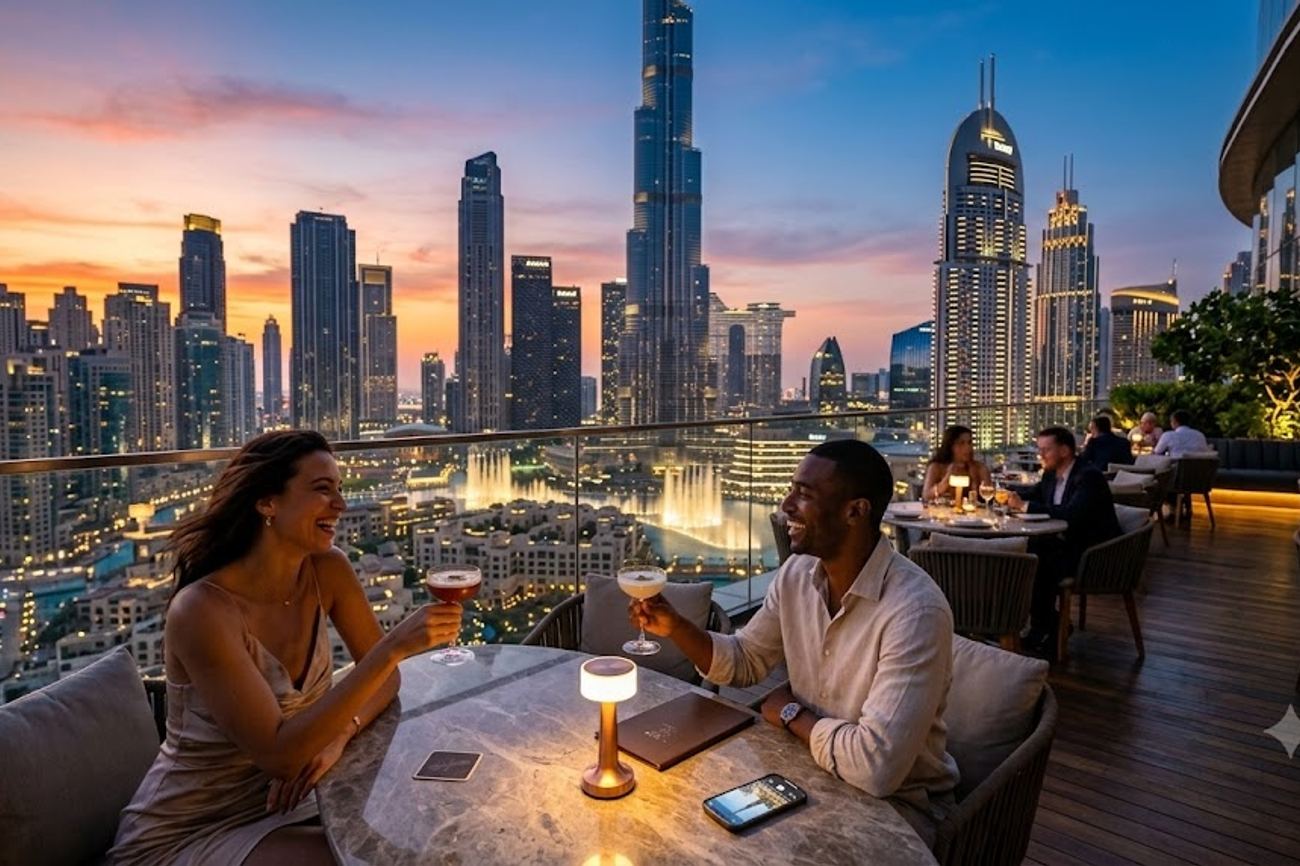
Image generated by AI
[Dubai, September 2026] — Dubai has recorded 6.97 million international overnight visitors between January and August 2026, signaling a strategic pivot toward diversified tourism beyond luxury shopping and architecture.
The surge in arrivals is part of a broader effort by the Dubai Department of Economy and Tourism to reposition the emirate as a hub for wellness, sustainability, and immersive cultural experiences. Data released on September 23 reveals that the destination is successfully decoupling its growth from traditional peak seasons, with August alone contributing 869,000 visitors—the second-highest monthly total for the year, trailing only February.
The Shift Toward Substance
The current growth phase is driven by a mandate to provide "greater substance" to the visitor experience. Bader Ali Habib, Regional Head of Proximity Markets at the Dubai Department of Economy and Tourism, indicates that the city is intentionally moving away from its established image as a collection of shopping malls and record-breaking infrastructure.
The strategy now emphasizes high-density itineraries where travelers can integrate over 150 distinct attractions. This approach targets a shift in consumer behavior, particularly among South Asian travelers, who are increasingly seeking multi-faceted trips that combine dining, nature, and family-centric entertainment within a single visit. To combat the extreme summer heat, the city is leaning into climate-controlled environments such as AYA Universe, IMG Worlds of Adventure, and Green Planet, while utilizing the Hatta region to anchor outdoor tourism during cooler periods.
Global Market Distribution
Dubai’s visitor base is currently characterized by high geographical diversity, which officials say provides a hedge against regional economic volatility. Western Europe remains the primary source of tourism, though South Asia and the GCC follow closely.
The following breakdown details the visitor origins from January to August 2026:
| Source Region | Visitors (Jan–Aug 2026) | Market Share |
|---|---|---|
| Western Europe | 1.365 million | 20% |
| South Asia | 1.143 million | 17% |
| GCC | 1.134 million | 16% |
| CIS & Eastern Europe | 962,000 | 14% |
| MENA | 703,000 | 10% |
| NE & SE Asia | 639,000 | 9% |
| Americas | 513,000 | 7% |
| Africa | 370,000 | 5% |
| Australasia | 139,000 | 2% |
India continues to be a cornerstone of the South Asian market. The city is deepening cooperation with travel trade partners to maintain its appeal among Indian luxury and family demographics, ensuring a steady pipeline of high-spending visitors.
Hospitality Infrastructure Expansion
The increase in passenger arrivals is being met with a massive expansion of the hotel sector. As of August 2026, Dubai's hospitality landscape consists of 794 hotel establishments providing a total of 148,796 available rooms. The scale of utilization is evident in the 21.6 million occupied room nights recorded since the start of the year.
The inventory remains heavily weighted toward the premium segment:
- Five-Star Segment: 162 hotels providing 51,846 rooms.
- Four-Star Segment: 194 hotels providing 43,464 rooms.
This infrastructure allows the city to package luxury stays with new "experience-led" offerings. This builds on a strong 2025 baseline, where the emirate hosted 19.59 million international overnight visitors with an 80.7% occupancy rate. During 2025, occupied room nights grew by 4% to 44.85 million, while the average daily rate (ADR) climbed 8% to AED 579.
Dubai's tourism sector has witnessed a significant surge in 2026, with 6.97 million visitors flocking to the city, driven by its luxurious amenities and unique experiences. According to the Dubai Tourism Board, the city's strategic location and world-class infrastructure have made it an attractive destination for travelers from around the globe. The board's efforts to promote Dubai's tourism industry have yielded impressive results, with the city emerging as a top destination for luxury travel.
Practical Traveler Advisory and Strategic Insights
For those booking trips to Dubai in late 2026 and into 2027, the "luxury-only" era is evolving into a "variety-first" era. Travelers should expect the following practical changes:
1. Diversified Itineraries: Rather than spending days in malls, visitors will find more curated packages combining urban centers with nature. The push for "substance" means more guided cultural and wellness tours are becoming the standard.
2. Hatta as a Primary Destination: Hatta is no longer just a day trip. With the Hatta Master Development Plan introducing new F&B options, improved facilities, and planned cable-car infrastructure, travelers can now book multi-night stays in the mountains to escape the city center.
3. Year-Round Viability: The investment in massive indoor attractions means the "summer slump" is less impactful. Travelers can now maintain high-activity itineraries in August without the heat being a prohibitive factor.
4. Pricing Trends: With the average daily rate increasing and a heavy focus on 4- and 5-star properties, budget travelers may find fewer "cheap" options in the city center, though the increase in total room inventory (nearly 149,000 rooms) may help stabilize prices through increased supply.
Aviation and Connectivity
The tourism engine is powered by Dubai International (DXB), which remains the global leader in international connectivity. In 2025, the airport handled 95.2 million guests, with India serving as the largest single-country market, contributing 11.9 million passengers.
The airport currently connects Dubai with 291 destinations, ensuring that the diversified source markets—from the Americas (7%) to Australasia (2%)—have direct or streamlined access to the city. The integration of aviation infrastructure with urban transport networks is a key pillar of the 2026 strategy, reducing friction for the millions of visitors arriving monthly.
FAQ: Dubai Tourism 2026
Is Dubai still a luxury-only destination? No. While five-star hotels remain dominant, the city is pivoting toward "substance," focusing on wellness, sustainability, and immersive experiences to attract a broader range of traveler profiles beyond luxury shoppers.
What is the best time to visit Dubai in 2026? While February remains a peak month, August has become a strong alternative due to expanded indoor attractions. For outdoor activities and mountain trekking in Hatta, the cooler winter months are recommended.
How has the hotel market changed? Dubai now has 794 hotels and nearly 149,000 rooms. There is a significant concentration of 4- and 5-star properties, meaning the city is prioritizing upper-upscale accommodation to match its rising visitor numbers.
What is the Hatta Master Development Plan? It is a strategy to turn the Hatta region into a full-scale destination. It includes new cable cars, enhanced visitor facilities, and expanded dining, encouraging tourists to stay multiple nights in the mountains.
Dubai is trading its image as a gilded playground for a blueprint of sustainable, substantive global tourism.
Tags: DXB, Dubai Department of Economy and Tourism, Hatta 2026, India-UAE Tourism, Dubai International Airport, UAE Hospitality 2026
Related Travel Guides
- Thailand Redefines Global Tourism Strategy with LGBTQ+ Inclusive Travel, Healing Luxury Retreats, and TAT Cultural Lifestyle Campaigns
- Seoul Leads Tokyo and Bangkok in Capturing Outbound Chinese Tourists During Extended 13-Day 2026 Golden Week Holiday
- Destination Ontario Study Reveals FIFA World Cup 2026 Generated 90 Percent Return Intent and 1,033 Dollar Average Visitor Spending
This article is for informational purposes. Flight routes, passenger regulations, visa rules, and transit advisories are subject to change by airlines and aviation authorities. Readers are advised to verify schedules and travel documentation with relevant carriers and border agencies before departure.
Related Stories
Zen Awakening Festival 2026: Florida's Transformational Music, Mindfulness, and Arts Gathering in Fruitland Park
Thailand Tourism Slowdown Tests Small Businesses as Kingdom Pivots to High-Yield Travel and Secondary Provinces