
Dubai Ranks #1 Globally for Cultural Creative FDI Attracting $3.756 Billion and 754 Projects
Dubai leads global cultural FDI for 4th consecutive year, attracting 754 projects, $3.756B investment & 19,300+ jobs to drive cultural tourism growth.

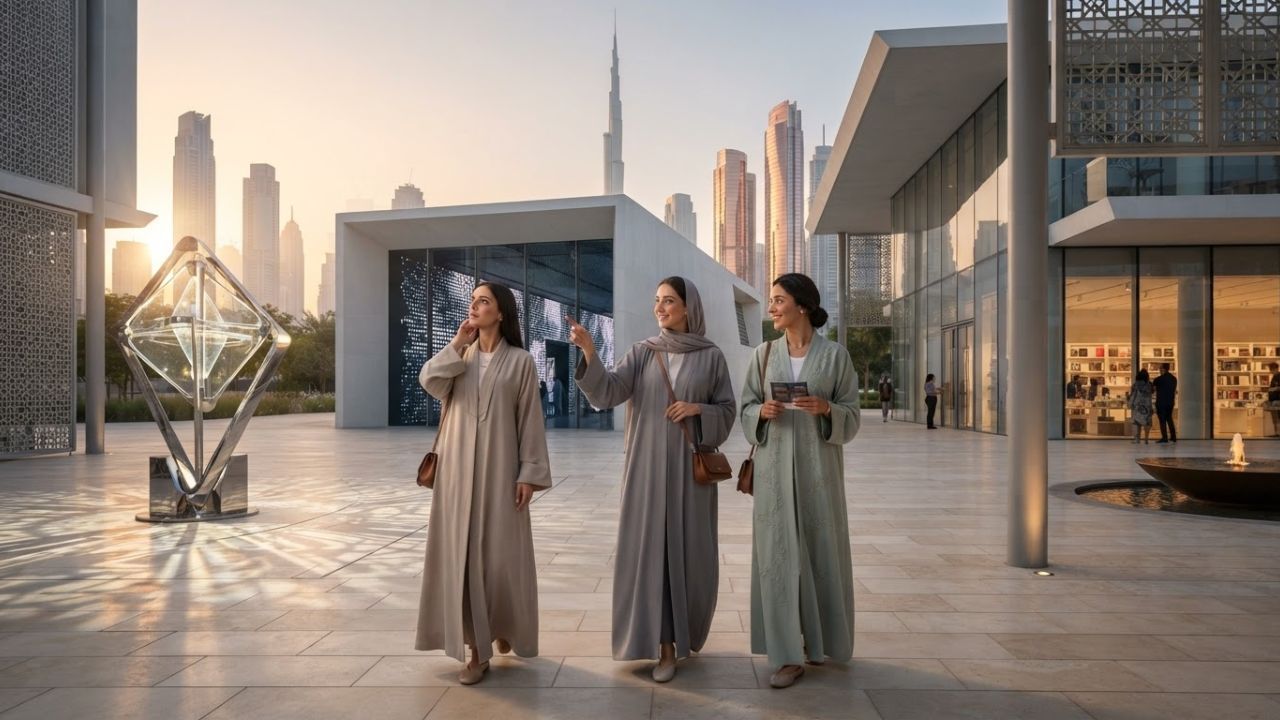
Image generated by AI
Dubai has secured the #1 position worldwide for greenfield foreign direct investment in cultural and creative industries for the fourth consecutive year, attracting 754 new projects, $3.756 billion in capital, and creating over 19,300 jobs.
DUBAI, United Arab Emirates — Dubai has consolidated its standing as the world’s leading hub for cultural and creative investment, expanding visitor experiences beyond iconic skyscrapers and shopping centers. According to Financial Times fDi Markets data, the emirate captured 754 new greenfield projects in the cultural and creative sectors in 2025, generating USD 3.756 billion in foreign direct investment (FDI) and creating 19,300 new jobs.
This economic milestone marks a major shift in Dubai's tourism strategy, channeling capital into museums, contemporary art galleries, digital art districts, performing arts venues, and heritage restoration projects.
Greenfield FDI Dominance: Fourth Consecutive Year at #1 Worldwide
Dubai’s global ranking as the top destination for greenfield cultural investment highlights its successful diversification beyond traditional real estate and commercial finance.
The continuous influx of foreign capital directly enhances the international visitor experience. Unlike capital spending restricted to corporate infrastructure, creative sector investments fund public-facing attractions, including:
- Restored Emirati Heritage Quarters: Preserving historic architecture in neighborhoods like Al Fahidi and Bur Dubai.
- Contemporary Art & Design Hubs: Establishing international galleries and design studios across the Dubai Design District (d3).
- Digital & AI Attractions: Developing interactive, technology-driven museums and virtual reality exhibitions.
- Performing Arts Infrastructure: Expanding international film festivals, music venues, and theater facilities.
Summary of Dubai's 2025 Cultural and Creative FDI Performance
The table below outlines Dubai’s global investment ranking, project volume, total capital inflow, job creation figures, and primary creative sectors based on Financial Times fDi Markets data:
| FDI Metric / Indicator | Official 2025 Reported Statistic | Strategic Tourism & Economic Impact |
|---|---|---|
| Global Creative FDI Rank | #1 Worldwide (4th consecutive year) | Establishes Dubai as a global cultural economy capital |
| Greenfield Creative Projects | 754 new projects in 2025 | Accelerates construction of new visitor attractions |
| Total Foreign Direct Investment | USD 3.756 billion ($3,756,000,000) | Funds art galleries, museums & entertainment venues |
| Workplace Creation | 19,300+ new jobs created | Expands local creative talent & hospitality workforce |
| Data Tracking Source | Financial Times fDi Markets | Authoritative global benchmark for foreign investment |
| Primary Creative Sectors | Art, design, film, AI, media & heritage | Diversifies tourism beyond retail & luxury shopping |
| Optimal Visitor Window | October to April (Cooler months) | Peak weather period for outdoor cultural exploration |
Dubai Creative Economy Strategy: Transforming Heritage and Innovation Districts
The expansion of Dubai’s creative infrastructure operates under the framework of the Dubai Creative Economy Strategy, overseen by Dubai Culture (the Dubai Culture & Arts Authority).
The strategy aims to double the creative sector’s contribution to Dubai’s gross domestic product (GDP) while increasing the city's total number of creative firms and professionals.
For international travelers, this institutional backing ensures a steady pipeline of new cultural programming, including annual events like Dubai Art Week, Dubai Design Week, international film showcases, and heritage craft workshops.
Evolving Visitor Profiles: From Short Stopovers to Extended Cultural Itineraries
The growth of Dubai's cultural assets is altering global travel patterns. Historically viewed primarily as a 2-to-3 day luxury transit stopover, Dubai is increasingly capturing extended 5-to-7 day vacations focused on cultural exploration.
Modern tourists are actively combining visits to iconic landmarks like the Burj Khalifa and Museum of the Future with immersive cultural experiences:
- Exploring traditional pearl-diving history and spice souks along Dubai Creek.
- Visiting independent art galleries along Alserkal Avenue in Al Quoz.
- Attending international performing arts events at Dubai Opera.
- Participating in culinary workshops showcasing traditional Emirati gastronomy.
Digital Creativity and AI Integration in Modern Emirati Tourism
A significant portion of Dubai’s USD 3.756 billion creative investment is directed toward digital innovation and artificial intelligence.
Cultural institutions across the emirate are deploying interactive digital storytelling, augmented reality historical recreations, and AI-driven exhibition guides. These technology-enhanced attractions appeal strongly to millennial and Gen Z travelers who seek interactive, shareable travel experiences.
By integrating advanced technology with historical preservation, Dubai creates a unique tourism product where futuristic innovation exists alongside centuries-old Bedouin traditions.
Strategic Travel Planning: Optimal Weather Windows and Peak Season Rules
Travelers planning a culture-focused itinerary in Dubai should consider climate conditions and seasonal event calendars:
- Peak Cultural Season (October to April): Comfortable outdoor temperatures averaging 20°C to 28°C make winter the ideal window for walking tours through heritage districts and outdoor art festivals.
- Advance Activity Booking: Popular cultural landmarks, digital museums, and performing arts tickets should be reserved 3 to 6 weeks in advance during peak winter months.
- Exploring Beyond Central Dubai: Allocate dedicated travel days to visit emerging creative hubs in Al Quoz, Jumeirah, and the Dubai Design District.
Why This Matters for International Tourists and Regional Travel Economies
For international travelers, Dubai’s emergence as a cultural investment powerhouse delivers a richer, more varied vacation. Visitors gain access to world-class art exhibitions, digital museums, and authentic heritage tours within a highly connected global transit hub.
For the wider Middle East tourism sector, Dubai’s model demonstrates that foreign direct investment in creative industries drives sustainable, year-round visitor arrivals while preserving indigenous cultural identity.
Furthermore, attracting 754 new creative projects establishes a self-sustaining ecosystem where international artists, designers, and cultural institutions continually refresh the emirate's tourism offerings.
Traveler Planning Checklist: Exploring Dubai's Creative Infrastructure
To maximize a cultural itinerary in Dubai, visitors should follow these practical steps:
- Book Winter Travel Dates: Schedule trips between October and April to enjoy comfortable weather for outdoor heritage walks and art festivals.
- Explore Specialized Creative Hubs: Visit Alserkal Avenue for contemporary art, the Dubai Design District (d3) for fashion and architecture, and Al Fahidi for historic Emirati architecture.
- Reserve Museum Tickets Early: Secure entry passes online for major venues like the Museum of the Future and Etihad Museum prior to departure.
- Monitor Seasonal Event Calendars: Check official Dubai Tourism portals for dates covering Dubai Art Week, LitFest, and regional heritage celebrations.
FAQ
What global ranking did Dubai achieve in cultural FDI?
Dubai ranked #1 globally for greenfield foreign direct investment (FDI) projects in the cultural and creative sectors for the fourth consecutive year, according to Financial Times fDi Markets data.
How much foreign investment did Dubai's creative sector attract in 2025?
Dubai attracted USD 3.756 billion across 754 new greenfield projects, creating over 19,300 new jobs in 2025.
What government strategy drives Dubai's creative growth?
The Dubai Creative Economy Strategy, managed by Dubai Culture, oversees the development of creative industries, heritage preservation, and cultural tourism infrastructure.
When is the best time of year to visit Dubai for cultural tourism?
The optimal travel window runs from October to April, when cooler winter temperatures allow for comfortable outdoor sightseeing, heritage walks, and outdoor art festivals.
Related Travel Guides
Disclaimer
This article is for informational and educational purposes only. It does not constitute legal, financial, or professional advice. While we strive to provide accurate and up-to-date information, travel policies, regulations, and conditions change rapidly. Always verify information with official sources before making travel decisions. Nomad Lawyer makes no representations about the accuracy, reliability, completeness, or suitability of the information provided. Readers should consult qualified professionals for advice specific to their circumstances. The views expressed in this article are those of the author and do not necessarily reflect the views of Nomad Lawyer.
Raushan Kumar
Founder & Lead Developer
Full-stack developer with 11+ years of experience and a passionate traveller. Raushan built Nomad Lawyer from the ground up with a vision to create the best travel and law experience on the web.
Learn more about our team →