
Canada Leads Global Indigenous-Led Eco-Tourism Models for Land and Culture Protection in 2026
Canada, Australia, Kenya, and Guatemala are pioneering indigenous-led conservation tourism models that integrate ancestral knowledge with community governance to protect fragile ecosystems.

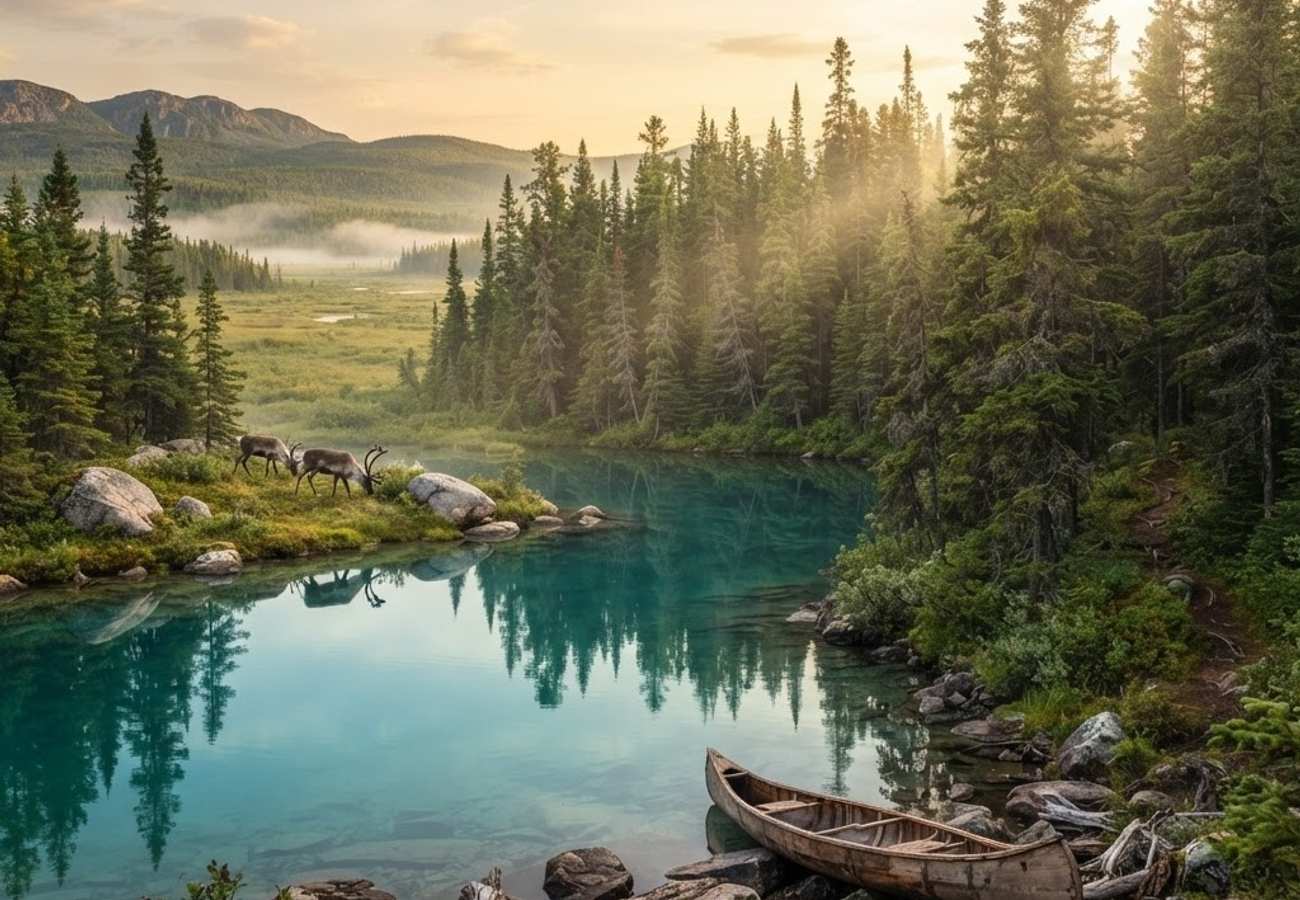
Image generated by AI
Outpacing traditional state-managed models, Canada leads a global trend in Indigenous-governed conservation areas that redirect travel revenue directly to local communities. By placing First Nations, Aboriginal traditional owners, and local pastoralists in control, these frameworks protect biodiversity and secure ancient heritage without relying on extractive industries.
The Rise of Indigenous Protected and Conserved Areas in the Canadian Boreal
Canada has established a leading position in sustainable land management through Indigenous Protected and Conserved Areas (IPCAs). These designated territories place First Nations governance at the center of regional ecosystem stewardship, converting traditional tourism into a non-extractive economic engine. Instead of relying on central government administration, IPCAs empower First Nations communities to legally manage ancestral lands, ensuring that environmental preservation directly supports cultural survival.
A primary example of this model in action is Thaidene Nëné National Park Reserve, located in the Northwest Territories. Translating to 'Land of the Ancestors' in the local Chipewyan language, this massive conservation area spans over 26,000 square kilometers of pristine boreal forest, tundra, and deep freshwater lakes. In this region, park access fees and travel revenues are redirected straight into local communities, creating sustainable jobs for Indigenous guides and funding year-round biological monitoring. The financial returns from wildlife tracking and eco-tours fund the local Guardian ranger programs. These trained guardians conduct environmental patrols, protect vulnerable boreal caribou habitats, and monitor expansive northern wetlands. By applying traditional ecological knowledge to modern conservation strategies, First Nations guardians manage these fragile systems while preserving their traditional hunting practices and establishing financial self-sufficiency. This system demonstrates that effective ecological stewardship requires active local management rather than hands-off preservation, allowing First Nations to protect key species like the woodland caribou while maintaining their seasonal harvesting lines.
Aboriginal Land Management and Controlled Cool-Burns in Australia
Australia relies heavily on Indigenous Protected Areas (IPAs), where Aboriginal traditional owners manage over half of the national reserve system. This model blends ancient land-care methods with contemporary conservation science to manage vast desert and coastal ecosystems. By leveraging travel fees and visitor permits, traditional owners fund Aboriginal ranger networks that execute ecological management and protect historical heritage sites.
A key component of this stewardship is the implementation of controlled cool-burn fire management. Aboriginal rangers use traditional burning techniques to clear dry undergrowth during cooler months, which proactively prevents devastating bushfires, protects endemic wildlife, and reduces national carbon emissions. Eco-tourism operations within IPAs, such as guided walking trails in the remote Kimberley and Arnhem Land, enforce strict visitor limits to protect sacred rock art from physical degradation. The revenues generated from these guided walks flow directly to community-managed trust funds. This framework provides stable employment in regional areas, keeps younger generations connected to traditional lands, and ensures that tourism acts as a protective shield for cultural heritage.
Community-Led Pastoral Conservancies in the Kenyan Savannah
In Kenya, Maasai and Samburu communities utilize community-owned pastoral conservancies to preserve critical migratory corridors for big game, proving that wildlife protection can coexist with traditional livelihoods. Rather than operating under state-run national park models, these conservancies allow Indigenous pastoralists to maintain land ownership while leasing designated areas to high-value, low-impact eco-lodges.
Under this cooperative framework, local landowners set aside specific grazing zones for native fauna, restoring historic elephant and lion corridors that were previously fragmented by human settlements and agricultural expansion. The lease agreements generate direct capital for local families, while bed-night levies and vehicle access fees pay for professional anti-poaching units, community-run medical clinics, and clean water projects. By ensuring that living wild animals deliver tangible financial benefits directly to the families sharing the habitat, the conservancy model reduces human-wildlife conflict and establishes a self-sustaining system where conservation fuels local social infrastructure.
Blending Reef Protection and Cultural Routes in the Caribe Maya
The Caribe Maya model in Guatemala and Honduras unifies Maya Q’eqchi’ and Garifuna coastal communities to protect marine reserves and mangrove forests. Regional governance councils oversee community tourism, using earnings to safeguard endangered coastal biomes and honor regional traditions along Central America’s Caribbean coast. The Caribe Maya route stretches across key coastal areas, involving multiple local cooperatives. By integrating community-led lodging, guided water activities, and cultural storytelling, these communities establish a resilient network.
Local cooperatives manage fragile marine environments by offering guided mangrove kayak expeditions and traditional craft workshops, diverting economic reliance away from overfishing and illegal deforestation. The profits from these community-owned enterprises fund coral reef restoration projects and coastal patrols that protect endangered marine life. By keeping ownership and decision-making authority in local hands, the Caribe Maya framework maintains strict environmental standards. This ensures that tourism growth protects coastal biodiversity while reinforcing the cultural identity and economic self-reliance of the native populations. Profits from these community-owned enterprises directly finance local marine biological patrols and community development initiatives.
Visitor Guidelines: Cultural Etiquette and Community-Direct Tourism
For the traveler, visiting these Indigenous-led conservation areas requires transitioning from passive sightseeing to active stewardship. Engaging with these models respectfully involves understanding local rules, seasonal windows, and cultural protocols established by the host communities.
When planning a trip to Canada's Thaidene Nëné, visitors must register through the Parks Canada portal. The gateway community is Łutsël K'é, and travelers are strongly encouraged to hire local Dënesųłıné guides. Respecting local traditions is paramount; it is a local custom to "pay" the land and water with a small offering of tobacco, spruce boughs, or tea when entering the territory. Visitors should enjoy local dining specialties like freshly caught whitefish and bannock, and respect traditional hunting zones by avoiding active hunting areas. Note that flying recreational drones is strictly prohibited in the park.
For those traveling to Australia's IPAs in Arnhem Land and the Kimberley, obtaining a permit from the Northern Land Council or Dhimurru Aboriginal Corporation is mandatory, and applications should be submitted at least 10 days in advance. Visitors must respect "Sorry Business"—traditional mourning periods during which communities may temporarily close to outsiders. Many Aboriginal communities are entirely alcohol-free (dry zones), and bringing alcohol is illegal. Travelers can support the local economy by booking guided bush tucker walks, such as the Binba Mayi coastal foraging experience near Broome, where they can learn about native edible flora from traditional owners.
In the Kenyan pastoral conservancies, travelers should choose certified eco-lodges that have transparent lease agreements with Maasai and Samburu families. Supporting local women’s beadwork cooperatives directly funds community programs. In Central America, visitors to the Caribe Maya route should buy authentic handicrafts directly from Maya Q’eqchi’ and Garifuna cooperatives rather than commercial resellers.
Long-Term Outlook: Establishing Non-Extractive Travel Economies
The global success of these four models represents a fundamental shift in how destinations balance visitor volume with environmental protection. By establishing community-owned governance frameworks, Indigenous authorities ensure that conservation efforts are permanent, rather than vulnerable to shifting state policies or external funding cuts.
Ultimately, these models demonstrate that the most effective way to safeguard fragile biomes is to support the people who have managed them for generations. When travel revenues fund local ranger networks and community infrastructure, it creates a self-sustaining loop where conservation is tied to local economic security. As independent travelers seek more authentic, low-impact experiences, these Indigenous-led frameworks are set to become the global standard for sustainable tourism, showing that travel can serve as a powerful force for protecting the planet's ecological and cultural diversity.
Related Travel Guides
Disclaimer
This article is for informational and educational purposes only. It does not constitute legal, financial, or professional advice. While we strive to provide accurate and up-to-date information, travel policies, regulations, and conditions change rapidly. Always verify information with official sources before making travel decisions. Nomad Lawyer makes no representations about the accuracy, reliability, completeness, or suitability of the information provided. Readers should consult qualified professionals for advice specific to their circumstances. The views expressed in this article are those of the author and do not necessarily reflect the views of Nomad Lawyer.
Raushan Kumar
Founder & Lead Developer
Full-stack developer with 11+ years of experience and a passionate traveller. Raushan built Nomad Lawyer from the ground up with a vision to create the best travel and law experience on the web.
Learn more about our team →