
Conflict turmoil strands dozens across Middle East hubs on April 8
Conflict turmoil strands passengers as 12 flights cancelled and 17 delayed across Royal Jordanian, EgyptAir and flydubai on April 8, 2026. Abu Dhabi, Cairo and Kabul airports hit hardest by regional air disruptions.

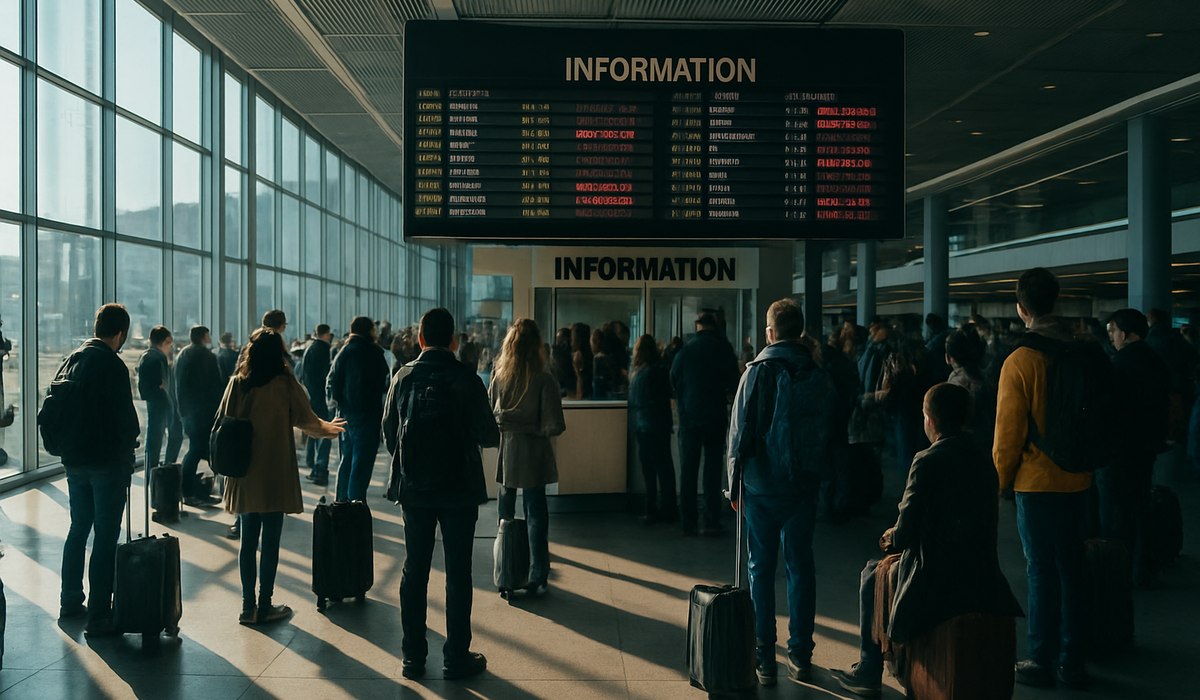
Image generated by AI
Regional Conflict Turmoil Strands Passengers Across Three Major Middle East Hubs
Dozens of travelers faced extended airport waits on April 8, 2026, as operational disruptions cascaded across three major carriers serving the Middle East. Royal Jordanian, EgyptAir and flydubai together cancelled 12 flights and delayed 17 others, stranding passengers in Abu Dhabi, Cairo and Kabul. The disruptions reflect ongoing airspace restrictions tied to regional security concerns, creating what industry analysts describe as a compounding effect on already strained capacity across Gulf and South Asian networks.
Widespread Cancellations Hit Three Major Carriers on April 8
The April 8 incident saw conflict turmoil strands impact multiple aviation operators simultaneously. Royal Jordanian, Egypt's flagship carrier and Dubai-based flydubai each pulled services from schedules or experienced multi-hour delays, according to publicly available flight tracking data and airport statements.
EgyptAir's Cairo-to-Abu Dhabi corridor, already operating on reduced frequencies since March due to regional restrictions, absorbed cancellations that eliminated remaining spare capacity. This compressed availability forced hundreds of connecting passengers into rebooking queues with limited onward options. For flydubai, disruptions to Abu Dhabi rotations triggered cascading delays across its Dubai hub network, affecting services to South Asian gateways and secondary Arabian Peninsula cities.
Royal Jordanian's Amman base also experienced knock-on effects, with cancellations on routes threading between Jordan, Egypt and Gulf states creating bottlenecks for transit passengers. The carrier had been gradually rebuilding schedules after weeks of airspace volatility, making even modest disruptions particularly impactful.
Abu Dhabi and Cairo Bear Brunt of Disruptions
Abu Dhabi International Airport—the UAE's primary hub—emerged as the April 8 disruption's epicenter. Regional capacity had been incrementally recovering following weeks of conflict-related flight pattern restrictions, but the sudden batch of cancellations reversed progress. EgyptAir services were either pulled entirely or subjected to extended ground holds, while flydubai connections feeding onward Gulf routes faced significant delays.
Cairo International Airport simultaneously contended with outbound delays and cancellations on services to Amman and Abu Dhabi. With EgyptAir already maintaining a thinned schedule to Gulf destinations to accommodate airspace restrictions, additional operational shocks generated substantial passenger backlogs at transfer and rebooking areas. The Egyptian capital's role as a crossroads for European-to-Asia traffic meant disruptions rippled quickly to connecting passengers with Europe-bound connections and South Asian-bound itineraries.
Both airports reported extended processing times at customer service desks, with passengers waiting hours for seat availability on alternative flights or acceptance of rerouting via Istanbul or Doha on different carriers.
Kabul Flights Particularly Vulnerable to Service Gaps
Afghanistan's Kabul International Airport faced disproportionate disruption due to the region's comparatively limited international flight network. The loss of even a handful of services proved particularly disruptive for passengers with limited alternatives.
Kabul-bound passengers reported rolling delay announcements throughout April 8, only to receive flight cancellation notices late in the afternoon. The airport's dependence on Gulf hub connections—particularly Abu Dhabi and Dubai—meant that upstream disruptions at those centers immediately cascaded to Afghan services.
With international corridors into Kabul already constrained by broader regional security measures, passengers faced minimal flexibility in rerouting. Alternative flights filled quickly, and many travelers accepted rebooking on flights departing days later. The combination of limited capacity and upstream disruptions created what regional aviation analysts describe as a "perfect storm" for Afghan connectivity.
Ripple Effects Across Gulf and South Asian Networks
The April 8 disruptions extended beyond the three primary impact airports, affecting secondary hubs throughout the Gulf Cooperation Council region and major South Asian connection points.
Dubai, while not directly mentioned in primary disruption reports, experienced knock-on effects from flydubai's operational adjustments. Kuwait, Doha and other regional centers that typically benefit from transit traffic through Abu Dhabi and Cairo saw downstream schedule impacts as passengers were rerouted or delayed. South Asian gateways including Karachi, Lahore and Colombo reported arriving passengers significantly behind schedule, with some international connections missed due to cumulative delays.
The broader pattern reflects what aviation policy analysts characterize as the Middle East's persistent vulnerability to conflict-related airspace volatility. Even moderate operational disruptions on major carriers generate ripple effects across regional networks. Industry reports indicate that airspace restrictions over Iran, Iraq and sensitive Gulf areas remain in place well into April 2026, forcing ongoing schedule adjustments and capacity reductions across multiple carriers.
April 8, 2026 Disruption Summary
| Metric | Details |
|---|---|
| Total Flights Cancelled | 12 across Royal Jordanian, EgyptAir, flydubai |
| Total Flights Delayed | 17 delayed services |
| Primary Impact Airports | Abu Dhabi, Cairo, Kabul |
| Secondary Affected Hubs | Dubai, Doha, Kuwait, Karachi |
| Royal Jordanian Disruptions | Multiple Amman-to-Gulf cancellations and delays |
| EgyptAir Impact | Cairo-Abu Dhabi capacity elimination, regional delays |
| Flydubai Impact | Abu Dhabi rotation cancellations affecting Dubai network |
| Root Cause | Airspace restrictions from Iran-Strait of Hormuz conflict escalation |
| Passenger Experience | Extended rebooking waits, limited same-day alternatives |
| Industry Pattern | Ongoing reactive schedule adjustments since late February 2026 |
What This Means for Travelers
The April 8 disruption highlights operational fragility across Middle East aviation networks. Here's what travelers should understand:
-
Book with Built-In Buffer Time: Plan Middle East itineraries with 24-48 hours between connections. Conflict turmoil strands create unpredictable delays, making tight connections risky.
-
Choose Carriers With Network Redundancy: Airlines operating robust networks across Turkey, the Gulf and South Asia (such as carriers based in Istanbul or Doha) offer more rerouting flexibility than single-hub operators.
-
Purchase Flexible Tickets: Standard economy fares often restrict rebooking to specific carriers or require change fees. Business class and premium economy typically offer free rebooking, valuable during disruptions.
-
Monitor Airspace Alerts: Check NOTAM (Notices to Airmen) feeds and aviation intelligence sites before booking. Ongoing restrictions over Iran, Iraq and parts of the Persian Gulf directly impact schedules.
-
Register for Airline Alerts: Enable push notifications from Royal Jordanian, EgyptAir and flydubai apps to receive real-time updates on schedule changes.
-
Document Everything: Keep booking confirmations, receipt of cancellation notices and communication logs. EU261 and similar compensation regulations may apply, depending on your itinerary.
FAQ: Conflict Turmoil Strands and Middle East Travel
What causes conflict turmoil strands in Middle East aviation?
Airspace closures and restrictions over Iran, Iraq and sensitive Gulf areas force carriers to reroute flights, reducing capacity and creating cascading delays. When multiple carriers face simultaneous restrictions, disruptions compound across entire regional networks, stranding hundreds of passengers with limited rebooking options.
Will my flight through Abu Dhabi or Cairo be affected by conflict-related restrictions?
Disruptions remain possible but not guaranteed. Monitor your specific flight 48 hours before departure using airline apps and flight tracking sites.
Disclaimer
This article is for informational and educational purposes only. It does not constitute legal, financial, or professional advice. While we strive to provide accurate and up-to-date information, travel policies, regulations, and conditions change rapidly. Always verify information with official sources before making travel decisions. Nomad Lawyer makes no representations about the accuracy, reliability, completeness, or suitability of the information provided. Readers should consult qualified professionals for advice specific to their circumstances. The views expressed in this article are those of the author and do not necessarily reflect the views of Nomad Lawyer.
Kunal K Choudhary
Co-Founder & Contributor
A passionate traveller and tech enthusiast. Kunal contributes to the vision and growth of Nomad Lawyer, bringing fresh perspectives and driving the community forward.
Learn more about our team →