
Dubai Branded Residences Forum 2026: Analyzing the Convergence of Luxury Hospitality and Real Estate
The Dubai Branded Residences Forum 2026 examines the rapid growth of hospitality-integrated real estate, where luxury hotel standards are redefining residential ownership and global investment strategies.

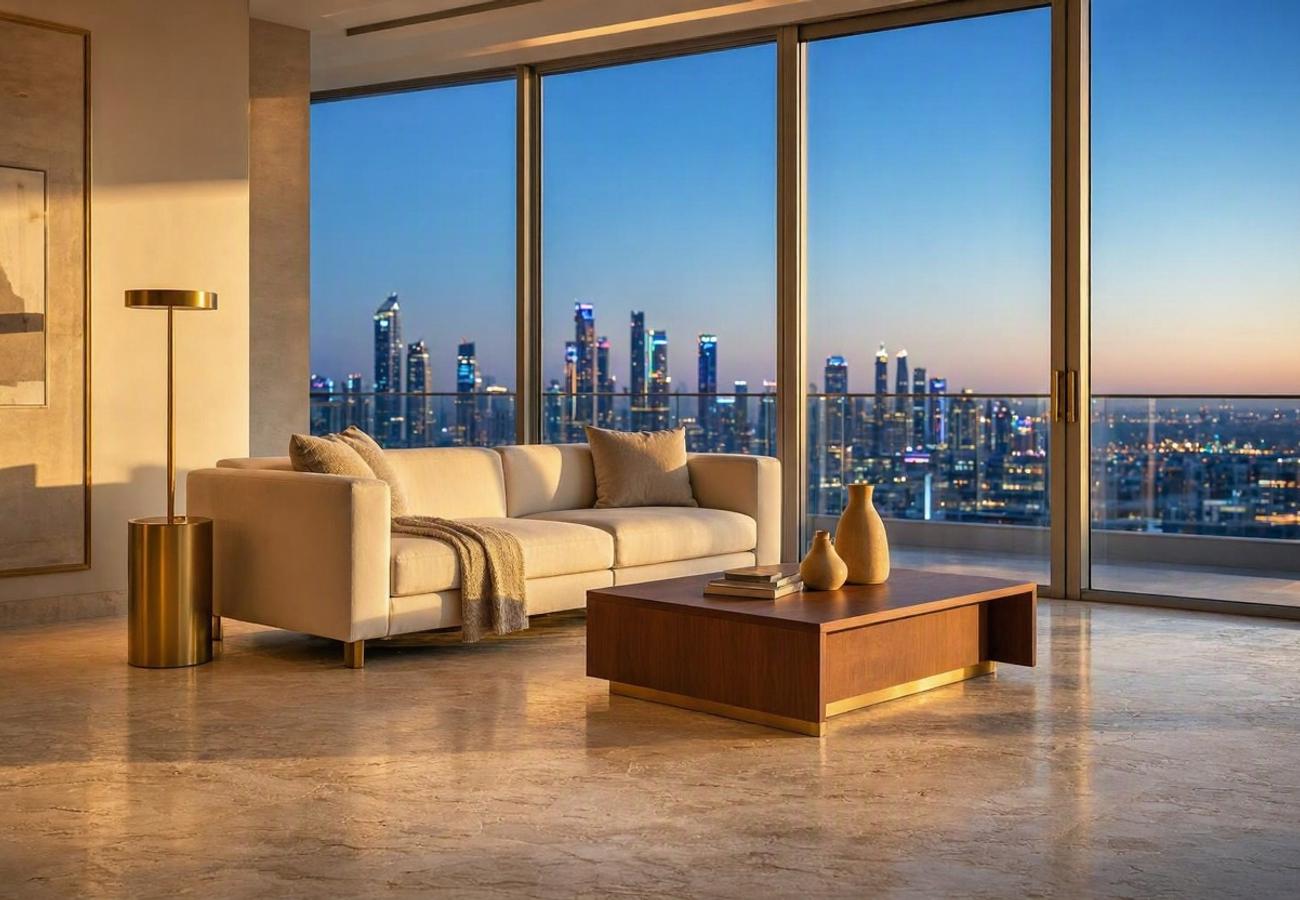
Image generated by AI
Zero traditional ownership models are surviving the current shift toward lifestyle-driven communities in the high-net-worth segment. The Dubai Branded Residences Forum 2026 arrives at a moment when the boundary between a five-star hotel stay and permanent residency has effectively vanished, transforming the UAE's property market into a laboratory for global hospitality-integrated living.
The Institutionalization of Lifestyle Assets
The forum serves as a strategic nexus for developers, institutional investors, and hotel operators to formalize the "branded residence" model. Unlike traditional luxury condos, these assets are governed by the operational standards of global hospitality brands. This shift is not merely aesthetic; it is a structural change in how real estate is valued. By attaching a recognized hotel brand to a residential tower, developers can command significant premiums based on the brand's reputation for service and consistency.
Dubai has become the epicenter of this trend due to its unique intersection of aggressive tourism growth and a regulatory environment that encourages foreign direct investment. The city's ecosystem allows Dubai Tourism to synergize with residential developers, creating a feedback loop where luxury travelers transition into property owners.
Market Dynamics and Asset Integration
The convergence of these two sectors—hospitality and real estate—creates a hybrid asset class. In this model, the developer provides the capital and construction expertise, while the hospitality brand provides the "software": the service protocols, brand equity, and operational management.
The following table outlines the structural differences between traditional luxury residential projects and the branded models being discussed at the 2026 forum:
| Feature | Traditional Luxury Residential | Branded Residences (2026 Model) |
|---|---|---|
| Service Level | Basic concierge / Security | Full-scale hotel services & personalized experiences |
| Value Driver | Location and square footage | Brand equity and service consistency |
| Management | Homeowners Association (HOA) | Professional hospitality operator |
| Amenities | Gym, Pool, Parking | Wellness centers, fine dining, integrated retail |
| Target Buyer | Local affluent / Traditional investors | Global nomads / High-net-worth lifestyle seekers |
Expert Analysis: The "Hospitality-fication" of Housing
For investors and luxury travelers, the direct consequence of this trend is the emergence of "serviced living" as a primary asset class. We are seeing a transition from owning a home to subscribing to a lifestyle. When a residence is branded by a global hotel group, the buyer is essentially purchasing a lifetime membership to that brand's global service standard.
The pricing pressure created by this model means that traditional luxury properties without a brand affiliation may see a relative decline in liquidity. Buyers now expect "resort-style" living—including smart home integration, sustainable energy designs, and wellness-centric architecture—as a baseline requirement rather than a luxury add-on.
Furthermore, the evolution of this forum into the "FHS Living" platform indicates a strategic expansion. The industry is moving beyond just "luxury" into diversified living formats, including senior living, co-living, and student accommodation. This suggests that the hospitality model of "managed living" is scaling down from the ultra-wealthy to other demographic segments, signaling a long-term shift in how the International Air Transport Association (IATA) member-state populations perceive permanent housing.
Key Takeaways
- Brand Premium: Luxury residential assets are increasingly valued based on the operational standards of the associated hospitality brand rather than just physical location.
- Hybrid Models: The market is shifting toward mixed-use developments that integrate hotels, wellness centers, and private residences into a single operational ecosystem.
- Diversification: The "FHS Living" expansion shows that hospitality-managed living is moving into senior, student, and co-living sectors.
- Tech Integration: Sustainability and smart-home technology are no longer optional; they are core components of the 2026 luxury residential value proposition.
- Investment Shift: Dubai is leveraging its status as a global business hub to attract institutional investors seeking stable, brand-backed real estate assets.
FAQ: Dubai Branded Residences 2026
What exactly is a branded residence? It is a residential property that is associated with a luxury brand—typically a hotel group—which provides the management, service standards, and amenities, ensuring a consistent high-end experience for the owner.
Why are these properties more expensive than standard luxury apartments? The premium is driven by the "brand promise." Buyers pay for the guaranteed quality of service, the prestige of the brand, and the integrated amenities that traditional residential buildings cannot sustain.
Who is the target audience for the Dubai Branded Residences Forum? The event targets senior decision-makers, including hotel operators, real estate developers, architects, and institutional investors looking to capitalize on the hospitality-real estate convergence.
How does this trend affect the general travel industry? It blurs the line between tourism and residency. As luxury travelers expect hotel-level service at home, hotel brands are expanding their revenue streams from nightly stays to long-term residential management.
The home of the future is no longer a place to live, but a service to be managed.
Related Travel Guides
-
[Thailand pivots to ](/thailand-pivots-to-fashion-tourism-to-diversify-cultural-travel-beyond-beaches-and-temples)
Disclaimer
This article is for informational and educational purposes only. It does not constitute legal, financial, or professional advice. While we strive to provide accurate and up-to-date information, travel policies, regulations, and conditions change rapidly. Always verify information with official sources before making travel decisions. Nomad Lawyer makes no representations about the accuracy, reliability, completeness, or suitability of the information provided. Readers should consult qualified professionals for advice specific to their circumstances. The views expressed in this article are those of the author and do not necessarily reflect the views of Nomad Lawyer.
Raushan Kumar
Founder & Lead Developer
Full-stack developer with 11+ years of experience and a passionate traveller. Raushan built Nomad Lawyer from the ground up with a vision to create the best travel and law experience on the web.
Learn more about our team →