
Dubai Opens Al Mustaqbal Street Bridge to Squeeze Transit Times
Dubai's Roads and Transport Authority has opened the Al Mustaqbal Street Bridge, cutting key journey times from 10 minutes to just 2 minutes in 2026.

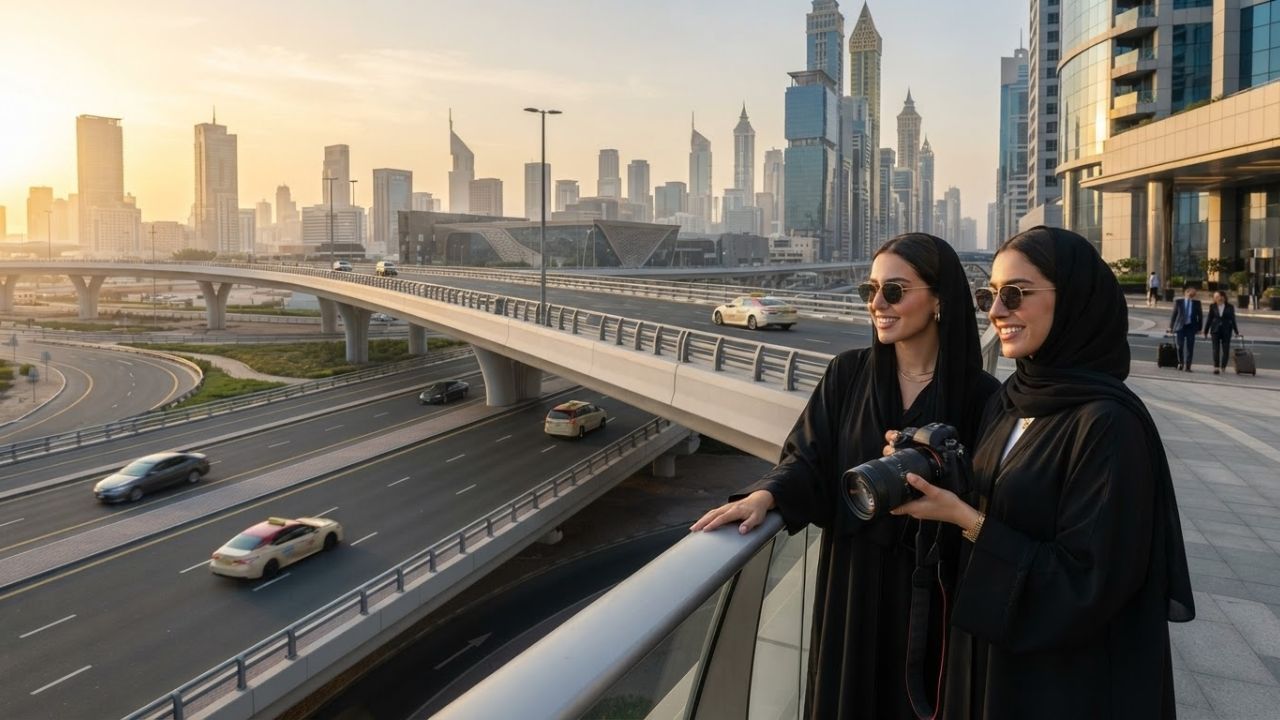
Image generated by AI
The Roads and Transport Authority in Dubai has opened a major new bridge on Al Mustaqbal Street, reducing travel time between key business and tourism areas from 10 minutes to just 2 minutes. The infrastructure upgrade represents the first phase of the wider Trade Centre Roundabout Development Project, enhancing vehicle flow to the Dubai World Trade Centre, the Dubai International Financial Centre, Zabeel, and surrounding areas. By improving access to these popular districts, the project supports the city's long-term transport strategy to manage growing tourism demand and international business events. For years, navigating this central corridor during peak event hours required significant patience, but the newly constructed bypass allows travelers to flow smoothly between destinations.
The Local Trend: Smart Mobility and Urban Expansion
The newly developed Al Mustaqbal Street connection is designed to improve vehicle movement around the Dubai World Trade Centre, one of the region's most important destinations for global conferences, trade shows, and exhibitions. This venue welcomes millions of international business travelers and leisure visitors each year. The upgraded road network provides a direct connection to several key districts, including the financial center, Downtown Dubai, Business Bay, and Zabeel. For visitor operators and local hospitality businesses, this improved road access translates directly into a more seamless customer experience, reducing delays between hotels, transport hubs, and major attractions.
This project is part of a larger, long-term corridor upgrade plan managed by regional transit authorities. Alongside the bridge opening, construction crews are widening sections of Al Mustaqbal Street, expanding the road from three lanes to four lanes in each direction. This expansion increases vehicle capacity, helping to reduce peak-hour traffic bottlenecks and supporting the future growth of the surrounding business and residential communities. By creating more direct routes, the development helps distribute vehicle traffic more evenly across the central municipal road network.
The wider Trade Centre Roundabout Development Project includes the construction of multiple bridges with a combined length of approximately 5,000 meters. Once fully completed, these structures will create a continuous, free-flowing traffic system at one of the city's most critical intersections. The development improves the flow of vehicles moving between Sheikh Zayed Road and other major thoroughfares, including Sheikh Rashid Road, Sheikh Khalifa bin Zayed Street, 2nd December Street, Zabeel Palace Street, and Al Majlis Street.
Engineering Challenges in a High-Density Corridor
Constructing a multi-level bridge system in the heart of a highly developed commercial district presented unique engineering and logistical challenges for the RTA. The construction site is surrounded by high-rise towers, luxury hotels, and active business complexes, leaving very little physical space for heavy equipment and material storage. To minimize disruptions to local businesses and daily traffic, engineering teams utilized precast concrete segments fabricated off-site, lifting them into place during night shifts using specialized heavy-duty cranes. This method reduced the overall construction timeline and helped maintain active traffic lanes on the ground.
Another significant challenge involved the relocation of complex underground utility networks. Central Dubai's subterranean infrastructure contains high-voltage electrical cables, fiber-optic telecom lines, main water pipelines, and municipal drainage networks that supply the entire financial and commercial hub. RTA engineers worked in close coordination with utility providers to map and carefully redirect these vital services without interrupting operations for nearby hotels, corporate headquarters, and exhibition halls. This successful coordination highlights the technical expertise and meticulous planning required to execute major infrastructure projects within modern urban centers.
Additionally, the construction teams implemented strict noise and vibration monitoring systems to protect the structural integrity of neighboring high-rise buildings and ensure a comfortable environment for hotel guests and residents. By scheduling high-vibration activities during specific daytime windows and utilizing low-noise machinery, the project team successfully balanced construction progress with community consideration. This comprehensive approach to urban engineering ensures that the new bridge serves as a model for future infrastructure developments in dense municipal zones.
Sustainable Infrastructure and Smart Transit Integration
For the visitor, the real impact of this infrastructure project is the way it supports sustainable urban development and clean transport goals. The Roads and Transport Authority (RTA) has designed the new bridge and corridor expansion to align with the city's smart mobility goals and environmental sustainability targets. By reducing idle times at busy intersections and minimizing gridlock, the project directly helps lower vehicle carbon emissions, contributing to cleaner air in the central municipal district.
To maximize these environmental benefits, regional authorities are integrating the upgraded road network with public transit systems and smart traffic management technologies:
- Dynamic Traffic Control Systems: Implementing automated sensors and smart signaling systems that monitor traffic density in real time, adjusting lane configurations and signal timings to maintain optimal vehicle flow and prevent congestion.
- Green Public Transit Corridors: Allocating dedicated lanes for fuel-efficient and electric municipal buses, encouraging commuters and visitors to utilize public transport instead of private vehicles.
- Active Travel Infrastructure: Integrating pedestrian walkways and bicycle lanes alongside the upgraded road corridors, promoting active, zero-emission travel options for short-distance journeys between central hotels and business venues.
These sustainable mobility initiatives are supported by the Dubai Economy and Tourism (DET) department, which promotes green travel practices and sustainable hospitality standards across the emirate. By combining efficient road networks with expanded public transit options, the city aims to build a resilient, future-ready infrastructure that supports economic growth while protecting the environment.
Visitor Insider Tips: Navigating Central Dubai
For business travelers and leisure tourists exploring central Dubai, local destination specialists recommend the following practical guidelines:
- Avoid Peak Event Hours: When major exhibitions are active at the Dubai World Trade Centre, try to plan your transfers outside the peak periods of 8:00 AM to 10:00 AM and 5:00 PM to 7:00 PM.
- Utilize the Dubai Metro: For fast, eco-friendly transfers between the airport, the financial center, and Downtown Dubai attractions, use the Red Line of the Dubai Metro, which bypasses surface traffic entirely.
- Explore Nearby Cultural Sites: Take a break from business meetings to visit Zabeel Park, one of the city's largest green spaces, which hosts the Dubai Frame and offers peaceful walking trails away from the commercial districts.
- Review Traffic Alerts in Real Time: Use the RTA’s smart mobile applications to monitor road conditions and receive live updates on traffic flow around the Trade Centre roundabout before departing.
- Respect Local Pedestrian Rules: When walking between venues, utilize designated pedestrian crossings and bridges. Jaywalking is strictly prohibited and can result in municipal fines.
Outlook: Future-Ready Transport Systems
The construction of the Al Mustaqbal Street Bridge highlights Dubai's continued commitment to developing future-ready transport networks. As the city prepares to host a growing number of international events and welcomes rising visitor volumes, maintaining efficient transport connections remains a key priority. By investing in modern roads, smart mobility systems, and sustainable infrastructure, the city aims to reinforce its position as a leading global hub for business and leisure tourism.
Long-term plans for the municipal transit network include the expansion of automated transport systems, the introduction of self-driving public shuttles, and further upgrades to pedestrian infrastructure. The ongoing collaboration between urban planners, environmental consultants, and transport authorities will remain essential to achieving these goals, ensuring that infrastructure development continues to enhance the visitor experience while supporting community well-being and environmental preservation. By balancing technological innovation with sustainable practices, regional authorities aim to show how a rapidly growing metropolis can manage transit demands while building a liveable, green city for the future.
Related Travel Guides
Disclaimer
This article is for informational and educational purposes only. It does not constitute legal, financial, or professional advice. While we strive to provide accurate and up-to-date information, travel policies, regulations, and conditions change rapidly. Always verify information with official sources before making travel decisions. Nomad Lawyer makes no representations about the accuracy, reliability, completeness, or suitability of the information provided. Readers should consult qualified professionals for advice specific to their circumstances. The views expressed in this article are those of the author and do not necessarily reflect the views of Nomad Lawyer.
Kunal K Choudhary
Co-Founder & Contributor
A passionate traveller and tech enthusiast. Kunal contributes to the vision and growth of Nomad Lawyer, bringing fresh perspectives and driving the community forward.
Learn more about our team →