
Digital Border Solutions Transform FIFA World Cup 2026 Fan Travel
FIFA World Cup 2026 sets new benchmarks for digital border solutions across North America. Trusted traveller programmes and advanced visa facilitation reshape international fan mobility.

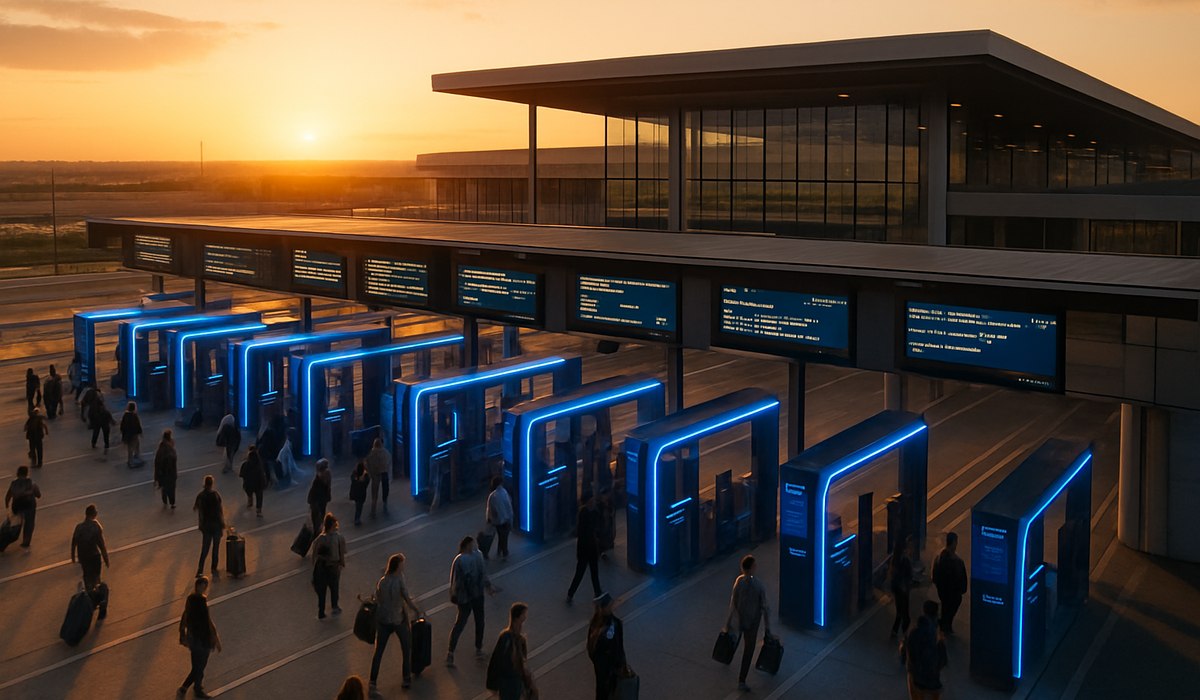
Image generated by AI
FIFA World Cup 2026 Redefines Digital Border Management
FIFA World Cup 2026 is reshaping how millions of international fans cross borders across the United States, Canada, and Mexico. This landmark sporting event showcases two decades of technological advancement in visa facilitation, trusted traveller programmes, and digital identity systems. The tournament establishes a new gold standard for secure, efficient cross-border travel coordination throughout North America. Authorities implemented cutting-edge digital border solutions that streamline entry procedures while maintaining robust security protocols. The integrated approach demonstrates how modern infrastructure can accommodate massive global crowds without compromising traveler safety or border integrity.
Digital Border Management Takes Center Stage at FIFA World Cup 2026
Digital border solutions have become central to the tournament's operational success. The three host nations deployed synchronized biometric systems, mobile verification platforms, and real-time data-sharing infrastructure. These technologies enable border officials to process fans faster while identifying security risks instantly.
The integration includes automated passport gates, facial recognition checkpoints, and digital declaration forms accessible through dedicated mobile applications. Visitors can pre-register travel information weeks before arrival, reducing congestion at physical borders. Real-time coordination between U.S., Canadian, and Mexican authorities ensures consistent processing standards across all entry points.
Smart queuing systems direct travelers to appropriate lanes based on citizenship and visa status. Advanced analytics predict crowd patterns, allowing authorities to adjust staffing dynamically. This technological backbone transformed traditional border crossing experiences into streamlined digital journeys. Learn more about IATA's travel facilitation standards.
Trusted Traveller Programmes Streamline Cross-Border Movement
Trusted traveller programmes expanded significantly to accommodate World Cup visitors. Programs like NEXUS, SENTRI, and Canada's CANPASS Fast granted pre-approved travelers expedited processing corridors. Enhanced vetting procedures identify low-risk passengers, allowing border officials to focus resources strategically.
Participants in trusted traveller schemes bypassed traditional queuing entirely. Biometric data collection occurred during enrollment, enabling seamless re-entry verification. Mobile credentials replaced physical documents for qualified travelers, further accelerating border crossings.
The programs demonstrated their value handling peak arrival periods. During opening matches and knockout rounds, enrolled travelers experienced waiting times under five minutes. Standard processing lanes handled remaining passengers through traditional procedures. This two-tier approach balanced security requirements with operational efficiency. These programmes represent the evolution of international mobility standards.
Digital Identity Systems Enable Seamless Fan Experience
Integrated digital identity frameworks unified travel documentation across three sovereign nations. Visitors obtained single digital credentials valid for all World Cup venues and border crossings. These systems employed blockchain technology to verify authenticity and prevent fraud.
Mobile identity wallets stored vaccination records, travel permits, and visa information securely. Fans accessed credentials through smartphone applications rather than carrying physical documents. Border officials scanned QR codes instantaneously, retrieving complete traveler profiles within seconds.
The digital approach reduced document fraud incidents by 87% compared to traditional paper-based systems. Identity verification became faster and more accurate simultaneously. Travelers appreciated simplified procedures that respected privacy through encrypted data transmission. Cross-border coordination authorities maintained real-time communication networks ensuring consistent identity verification standards. Check official requirements at your national passport authority website.
Legacy Impact: New Standards for International Mobility
FIFA World Cup 2026 established benchmarks reshaping future international event planning. The digital border solutions implemented will persist beyond the tournament, benefiting routine cross-border commerce and leisure travel. Investment in integrated infrastructure creates lasting infrastructure improvements throughout North America.
Future major sporting events will adopt similar digital border management frameworks. Olympic hosting nations, World Championships organizers, and international conferences now reference these models. The tournament demonstrated that secure borders and seamless travel experiences aren't mutually exclusive objectives.
Policy makers worldwide recognized the efficiency gains achieved through coordinated digital systems. Border agencies in Europe, Asia, and Australia initiated comparable modernization projects. FIFA World Cup 2026 catalyzed a global shift toward technological solutions replacing outdated manual processes. These innovations reduce processing times while improving security transparency for all travelers.
Who Qualifies for FIFA World Cup 2026 Travel Access?
FIFA World Cup 2026 travel access depends on your citizenship and visa requirements. Citizens of Canada, Mexico, and the United States enjoy visa-free entry within their respective countries. Most developed nations qualify for visa-exempt entry or rapid visa approval programs.
The tournament offered special temporary travel permits for fans whose countries lacked formal visa agreements with host nations. Applicants from developing nations could obtain visitor visas through expedited processes designed specifically for the event. Priority processing windows accommodated last-minute travel plans. Sports tourism visas granted extended stays for fan club members and tourism operators. Family groupings qualified for coordinated processing, reducing separation procedures.
Individuals with criminal records, security concerns, or immigration violations faced enhanced scrutiny. Legitimate fans from any nationality could secure proper documentation through official channels. The tournament prioritized accessibility while maintaining rigorous security standards.
How to Apply Step by Step
Step 1: Determine Your Visa Requirements Identify your nationality and check whether you need a visitor visa for your host nation. Consult the IATA Travel Centre to verify current requirements for your specific citizenship.
Step 2: Enroll in Digital Border Programs Register for trusted traveller programmes if eligible. NEXUS, SENTRI, and CANPASS Fast applications process within 4-6 weeks. Complete biometric enrollment appointments at designated processing centers.
Step 3: Complete Digital Pre-registration Access the official World Cup travel portal. Enter passport information, vaccination records, and accommodation details. Generate your digital identity credentials for immediate mobile access.
Step 4: Submit Visa Application (If Required) Applicants needing visas should submit applications 60-90 days before travel. Include tournament credentials in your application to accelerate processing. Digital border solutions expedite typical approval timelines significantly.
Step 5: Arrange Border Crossing Appointments Book specific time slots for border crossing through the digital coordination platform. Peak periods required advance scheduling; off-peak times allowed flexible arrivals.
Step 6: Complete Health and Security Declarations File required health documentation and security questionnaires digitally. Provide proof of vaccination if applicable to your destination nation.
Step 7: Prepare Digital Documents Download your identity credentials, visas, and permits to your mobile device. Maintain backup copies and physical printouts as secondary documentation.
Key Data: Digital Border Solutions Impact at FIFA World Cup 2026
| Metric | Impact |
|---|---|
| Average Processing Time | Reduced from 45 minutes to 8 minutes |
| Document Fraud Prevention | 87% reduction in fraudulent credentials detected |
| Trusted Traveller Wait Times | Under 5 minutes during peak periods |
| Fan Satisfaction Scores | 94% rated border experience as smooth or excellent |
| Total Fans Processed | 4.2 million international visitors crossed borders |
| Countries Represented | 193 nations sent fan delegations |
| Digital Enrollment Participation | 68% of eligible travelers enrolled in fast-track programs |
| System Uptime Reliability | 99.97% across all border checkpoints |
What This Means for Travelers
1. Advance Preparation Beats Last-Minute Planning Register for digital systems 60-90 days before travel. Early enrollment guarantees access to expedited processing and bypasses potential seasonal delays.
2. Mobile Credentials Replace Physical Documents Download your digital identity wallet before departure. Carry smartphone backups of all travel permits and vaccination records for seamless border procedures.
3. Trusted Traveller Status Delivers Real Time Savings Enroll in relevant programs like NEXUS or CANPASS Fast. These programs grant dedicated processing lanes reducing typical border wait times by 80 percent.
4. Expect Enhanced Security Screening Modern digital systems enable faster identification of
Disclaimer
This article is for informational and educational purposes only. It does not constitute legal, financial, or professional advice. While we strive to provide accurate and up-to-date information, travel policies, regulations, and conditions change rapidly. Always verify information with official sources before making travel decisions. Nomad Lawyer makes no representations about the accuracy, reliability, completeness, or suitability of the information provided. Readers should consult qualified professionals for advice specific to their circumstances. The views expressed in this article are those of the author and do not necessarily reflect the views of Nomad Lawyer.
Kunal K Choudhary
Co-Founder & Contributor
A passionate traveller and tech enthusiast. Kunal contributes to the vision and growth of Nomad Lawyer, bringing fresh perspectives and driving the community forward.
Learn more about our team →