
Delta Flight DL3109 Diverts to Augusta Regional Airport from Sarasota to Atlanta in 2026
Delta Air Lines Flight DL3109, a Boeing 737-900, diverted to Augusta Regional Airport on July 18, 2026, after departing Sarasota for Atlanta.

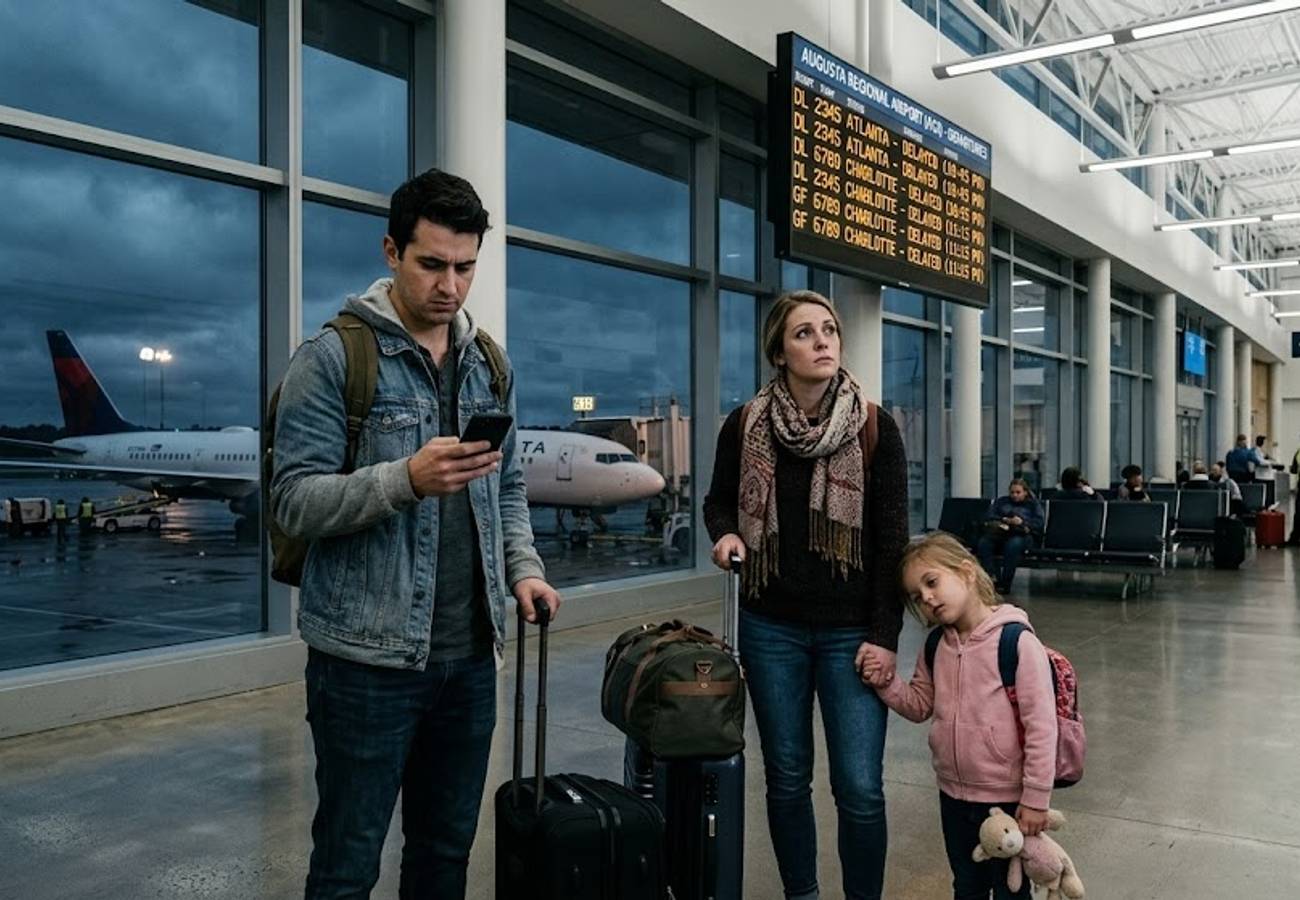
Image generated by AI
A scheduled domestic flight from Sarasota to Atlanta experienced a significant route change on the evening of July 18, 2026, when Delta Air Lines Flight DL3109 diverted to Augusta Regional Airport (AGS). While the aircraft landed safely, the diversion resulted in a substantial delay, with the flight arriving at its alternate destination more than three hours after its originally planned arrival time in Atlanta.
The diversion of a commercial flight often triggers immediate concern, but such maneuvers are standard safety protocols in aviation. Pilots may opt for an alternate airport due to a variety of factors, including deteriorating weather conditions, unexpected technical anomalies, airport congestion at the primary destination, or crew duty hour limitations. In the case of DL3109, the specific operational trigger has not been publicly disclosed by Delta Air Lines.
Flight Timeline and Operational Data
Flight DL3109 was operated by aircraft N881DN, a Boeing 737-932(ER) (commonly referred to as the 737-900) from Delta's domestic fleet. The journey began at Sarasota–Bradenton International Airport (SRQ), where the aircraft departed at approximately 6:23 pm EDT, adhering closely to its scheduled takeoff time.
The flight was originally slated to touch down in Atlanta (ATL) around 8:13 pm EDT. However, the flight path was altered, leading the aircraft to Augusta, Georgia. The plane eventually reached Gate D15 at Augusta Regional Airport at approximately 11:35 pm EDT.
The total duration of the journey extended to five hours and twenty-two minutes, a stark increase from the expected flight time for a short-haul domestic sector.
Flight Logistics Summary
| Flight Detail | Data |
|---|---|
| Flight Number | DL3109 |
| Aircraft Model | Boeing 737-932(ER) |
| Registration | N881DN |
| Departure Airport | Sarasota–Bradenton International (SRQ) |
| Intended Destination | Atlanta (ATL) |
| Diversion Airport | Augusta Regional Airport (AGS) |
| Departure Time | 6:23 pm EDT (July 18, 2026) |
| Actual Arrival Time | 11:35 pm EDT (July 18, 2026) |
| Arrival Gate | Gate D15 (Augusta) |
| Total Journey Time | 5 hours 22 minutes |
The Mechanics of Aviation Diversions
Diversions are a critical component of aviation safety management. When a flight crew determines that continuing to the intended destination is less than ideal, they evaluate several variables to select the safest alternate airport. These variables include:
- Fuel Reserves: Ensuring the aircraft has sufficient fuel to reach an alternate and hold if necessary.
- Weather Conditions: Assessing visibility and wind shear at both the destination and potential alternates.
- Airport Capacity: Checking for runway closures or heavy congestion that might delay landing.
- Technical Support: Ensuring the alternate airport has the necessary ground handling and maintenance capabilities for the aircraft type.
Once the decision to divert is made, the flight crew coordinates with Air Traffic Control (ATC) and the airline's Operations Control Center (OCC). The OCC then manages the logistical fallout, such as arranging ground transportation for passengers and coordinating with the alternate airport for gate availability.
Passenger Impact and Recovery Protocols
For the passengers on DL3109, the diversion meant an unexpected stop in Augusta and a delay of over three hours. In these scenarios, airlines typically implement recovery plans, which may include:
- Ground Transportation: Arranging buses or shuttles to transport passengers from the diversion airport to their final destination.
- Rebooking: Placing passengers on the next available flight to Atlanta.
- Accommodations: Providing hotel vouchers if the diversion occurs late at night and onward travel is not immediately possible.
Travelers are encouraged to rely on official airline communication channels—such as the Delta mobile app or airport representatives—rather than third-party tracking sites for the most accurate recovery information.
Safety remains the primary driver in every diversion decision, ensuring that schedules are secondary to the well-being of passengers and crew.
Related Travel Guides
Disclaimer
This article is for informational and educational purposes only. It does not constitute legal, financial, or professional advice. While we strive to provide accurate and up-to-date information, travel policies, regulations, and conditions change rapidly. Always verify information with official sources before making travel decisions. Nomad Lawyer makes no representations about the accuracy, reliability, completeness, or suitability of the information provided. Readers should consult qualified professionals for advice specific to their circumstances. The views expressed in this article are those of the author and do not necessarily reflect the views of Nomad Lawyer.
Preeti Gunjan
Contributor & Community Manager
A passionate traveller and community builder. Preeti helps grow the Nomad Lawyer community, fostering engagement and bringing the reader experience to life.
Learn more about our team →