
Delhi–Mumbai Rail Corridor Upgrade Targets 160 kmph Speed and 12-Hour Journeys Under Mission Raftaar

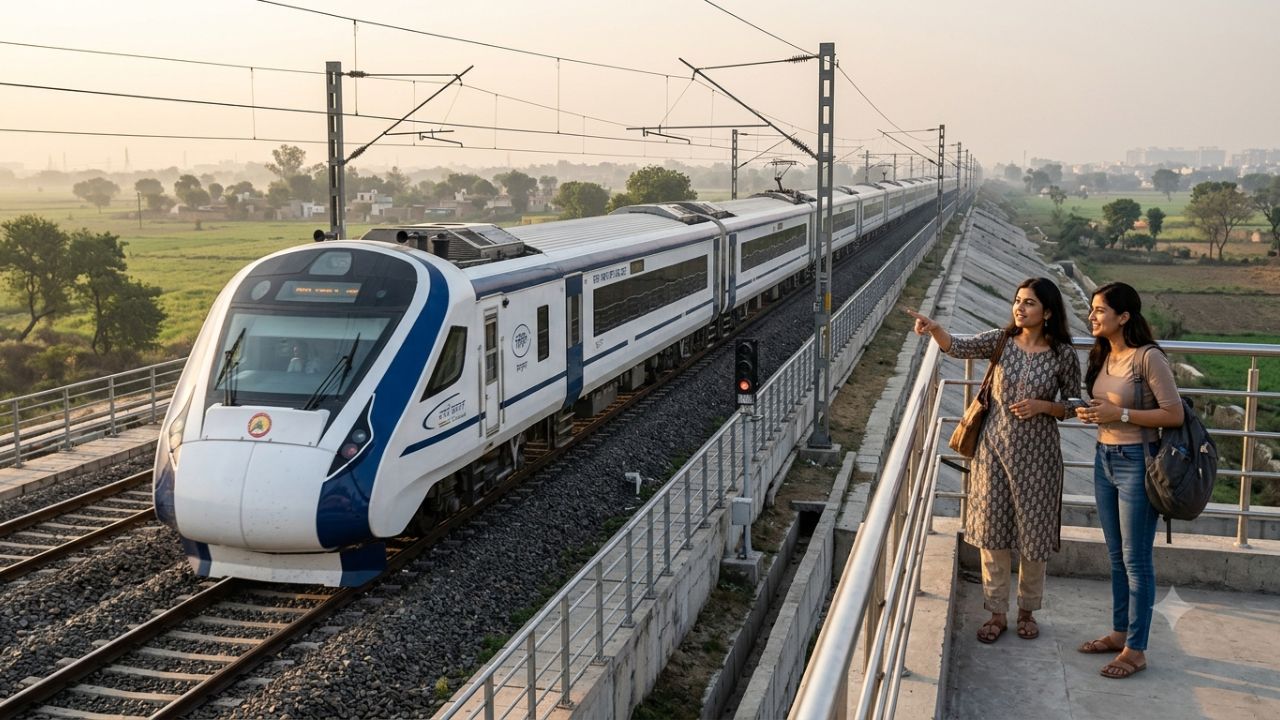
Indian Railways is accelerating infrastructure modernizations along the New Delhi–Mumbai main line under Mission Raftaar, targeting maximum operational train speeds of 160 kmph and cutting intercity transit times down toward 12 hours. Comprehensive engineering works across electrical traction, digital signaling, and yard remodeling—particularly along the Palwal–Mathura section—are pushing the busy commercial corridor toward high-speed trial runs.
The New Delhi–Mumbai rail corridor serves as one of India's primary economic transport arteries, bearing heavy volumes of passenger traffic and freight movement daily. By strengthening existing infrastructure rather than laying entirely new right-of-way, Indian Railways is executing targeted technical interventions to boost network throughput, operational reliability, and passenger connectivity between northern and western India.
Substation Charging and Power Upgrades on Palwal–Mathura Section
A focal point of the current speed enhancement program centers on the Palwal–Mathura section within the Agra Division. Spanning 84 Route Kilometres (RKm) and encompassing approximately 336 Track Kilometres (TKm), this stretch is undergoing multi-system modernizations designed to sustain higher locomotive power draws during top-speed travel.
Electrical infrastructure along the section received a major boost on September 7, 2026, with the successful charging of the new 2×25 kV Chhata Traction Substation. The high-capacity installation delivers stabilized power delivery essential for maintaining 160 kmph speeds over extended distances without voltage drops.
Power supply enhancements across neighboring installations are proceeding along a tight schedule:
- Charged Installations: Kosikalan Sectioning Post (SP), Mathura SP, and Sholaka Sub-Sectioning Post (SSP) are fully operational.
- Mid-September Milestones: Vrindavan SSP has entered final commissioning assessments, while Kotwan SSP is slated to reach final testing stages by September 15, 2026.
- Late-September Targets: Commissioning of Hodal SSP and Ajhai SSP is set for mid-to-late September, with construction on the RDE Traction Substation targeted for completion by September 25, 2026.
- October Grid Integration: Interconnection of the Rundhi Traction Substation and its accompanying high-voltage transmission lines is planned for October 2026.
Digital Network Management and Mathura–Bhuteshwar Yard Expansion
To support higher train velocities safely, Indian Railways is integrating Supervisory Control and Data Acquisition (SCADA) systems across the corridor's electrical grid. Operating from a centralized hub in Agra, the SCADA architecture provides real-time monitoring of traction power feeds, allowing dispatchers to identify voltage fluctuations or line faults instantly and prevent speed-restricting power disruptions.
Civil and track engineering upgrades are simultaneously underway to eliminate bottleneck points. Phase-II yard remodeling at the Mathura and Bhuteshwar junction complex includes building a dedicated UP line and a fourth running track. Specialized cut-connection works at Bhuteshwar yard will allow smoother train switching and reduce congestion for fast express services entering the hub.
Railway authorities across multiple engineering divisions are working toward a unified target date of September 30, 2026, to complete primary physical upgrades along the section before commencing formal high-speed test runs.
| Corridor Upgrade Parameter | Specific Project Metric / Standard |
|---|---|
| Corridor Target Speed | Up to 160 kmph |
| Target Travel Time | Approximately 12 Hours (New Delhi – Mumbai Central) |
| Primary Upgrade Section | Palwal–Mathura (Agra Division) |
| Track Coverage | 84 Route Kilometres / 336 Track Kilometres |
| Key Power Infrastructure | 2×25 kV Chhata Traction Substation (Charged Sept 7, 2026) |
| Traction Monitoring | Centralized SCADA Control System (Agra Hub) |
| Yard Works | Phase-II Remodeling at Mathura & Bhuteshwar (4th Track & UP Line) |
| Target Infrastructure Completion | September 30, 2026 |
Traveler Logistics Guide: Navigating the Delhi–Mumbai Rail Corridor
As infrastructure work nears completion along key track segments, travelers planning long-distance journeys between New Delhi and Mumbai can prepare for improved service parameters.
Current Service Options and Transit Times
- Premium Express Trains: Superfast services like the New Delhi–Mumbai Central Tejas Rajdhani Express and August Kranti Rajdhani Express currently complete the 1,384 km journey in approximately 15.5 to 17 hours.
- Future Vande Bharat & Speed Line Updates: Once 160 kmph operations receive final safety certification following high-speed trials, journey times across premier services are targeted to drop to near 12 hours.
Travel Tips for Rail Passengers
- Booking Window: High-demand express services along the Delhi–Mumbai route open for reservation 60 days prior to departure. Advance booking is recommended during major Indian festival seasons.
- Station Connections: In New Delhi, major departures operate from New Delhi (NDLS) and Hazrat Nizamuddin (NZM). In Mumbai, key terminal stations include Mumbai Central (MMCT) and Bandra Terminus (BDTS).
- Track Maintenance Updates: Passengers traveling through the Palwal–Mathura and Agra sectors during September 2026 should verify train schedules online, as short maintenance blocks may occasionally adjust departure timings.
Frequently Asked Questions
What is the primary speed goal for the Delhi–Mumbai rail line?
Indian Railways is upgrading track, traction power, and signaling systems under Mission Raftaar to enable passenger train speeds of up to 160 kmph.
How much travel time will be saved between Delhi and Mumbai?
Once full 160 kmph operations are implemented, overall travel time between New Delhi and Mumbai is targeted to decrease to approximately 12 hours.
Which track section is undergoing major power upgrades in September 2026?
The 84 Route Kilometre (336 Track Kilometre) Palwal–Mathura section in the Agra Division is undergoing major traction substation and power line upgrades.
When are high-speed trials expected to begin on the upgraded section?
With key physical and electrical upgrades targeted for completion by September 30, 2026, high-speed trial runs are scheduled to follow shortly thereafter.
Related Travel Guides
Disclaimer
This article is for informational and educational purposes only. It does not constitute legal, financial, or professional advice. While we strive to provide accurate and up-to-date information, travel policies, regulations, and conditions change rapidly. Always verify information with official sources before making travel decisions. Nomad Lawyer makes no representations about the accuracy, reliability, completeness, or suitability of the information provided. Readers should consult qualified professionals for advice specific to their circumstances. The views expressed in this article are those of the author and do not necessarily reflect the views of Nomad Lawyer.
Raushan Kumar
Founder & Lead Developer
Full-stack developer with 11+ years of experience and a passionate traveller. Raushan built Nomad Lawyer from the ground up with a vision to create the best travel and law experience on the web.
Learn more about our team →