
Debre Libanos Shows Why Modern Travel Must Preserve Sacred Sanctuaries Where Cliffside Nature Thrives In Ethiopia
Debre Libanos Shows Why Modern Travel Must Preserve Sacred Sanctuaries Where Cliffside Nature Thrives In Ethiopia

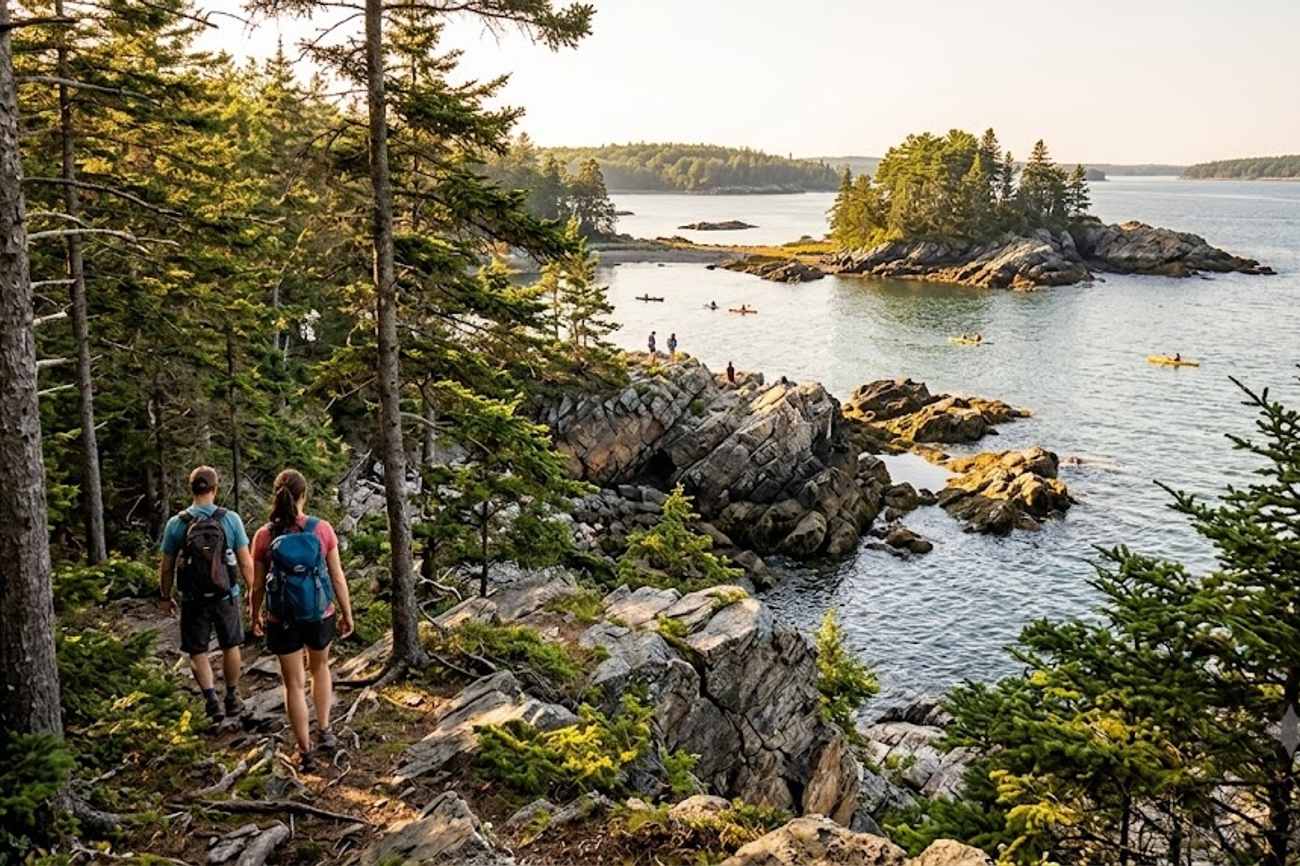
Image generated by AI
0.24 kg of carbon emissions per passenger per kilometer is the current atmospheric cost of vehicular transit along Ethiopia's steep mountain corridors, a figure that underscores the environmental friction inherent in accessing the nation's most sacred highlands. This data point serves as the catalyst for a broader strategic pivot by regional authorities, who are now attempting to reconcile the surge in "purposeful travel" with the fragility of high-altitude micro-climates. As international travelers migrate away from standardized urban tourism toward immersive, spiritual, and ecological experiences, the corridor between Addis Ababa and the Debre Libanos region has become a primary case study in the tension between economic expansion and heritage preservation.
The Logistics of Sacred Geography
The movement of international visitors from the capital city of Addis Ababa to the highlands of Debre Libanos is not merely a tourist excursion but a strategic economic operation. Located 100 kilometers northwest of the capital, this region serves as a critical intersection of Ethiopian Orthodox Christianity and endemic biodiversity. The area is anchored by the Saint Tekle Haymanot Monastery, established in the thirteenth century, which functions as a primary draw for both traditional pilgrims and secular historians.
From a logistical standpoint, the ease of access between major international transit hubs and these remote highland canyons determines the rate of regional economic development. The current infrastructure relies heavily on rural roadways that are being modernized to accommodate a shift in traveler demographics. Modern adventure seekers are increasingly bypassing urban centers in favor of scenic highland drives, necessitating a systemic upgrade in directional signage and the professionalization of local mountain guide services. This shift reflects a broader global trend where the "last mile" of a journey—the transition from a paved highway to a sacred cliffside—becomes the most valued part of the travel experience.
Environmental Constraints and Conservation Metrics
The ecological value of the Debre Libanos region is centered on its dramatic river gorges and high-cliff ecosystems. These habitats are not only scenic backdrops but are essential sanctuaries for rare species. The most notable of these is the Gelada baboon, with an estimated total population of 200,000 across the broader Ethiopian highlands. To prevent the degradation of these endemic populations, conservationists have implemented a non-negotiable minimum clearance distance of 15 meters between human visitor groups and the primates.
The intersection of wildlife protection and historical education is now a primary driver of destination competitiveness. Data suggests that the modern traveler no longer views nature and culture as separate entities; rather, they seek "integrated" destinations where the preservation of a species like the Gelada baboon is seen as inextricably linked to the preservation of the thirteenth-century monastery.
| Metric | Value/Target | Context |
|---|---|---|
| Carbon Footprint | 0.24 kg $\text{CO}_2$/pax/km | Current vehicular transit in mountain corridors |
| Emission Reduction Target | 35% | Target reduction in arterial corridor emissions by 2030 |
| Fleet Electrification | 50% | Planned electric shuttle conversion for primary access routes |
| Gelada Baboon Population | 200,000 | Total estimated population in Ethiopian highlands |
| Wildlife Buffer Zone | 15 meters | Minimum required distance between tourists and primates |
| Distance: Addis to Debre Libanos | 100 kilometers | Primary transit corridor length |
Expert Analysis: The High-Altitude Economic Pivot
For the global traveler, the transition toward "immersive spiritual travel" is not a trend but a structural shift in the luxury and adventure markets. The data from the Debre Libanos corridor suggests that the future of high-value tourism lies in "fragile heritage corridors"—routes where the difficulty of access is balanced by the exclusivity of the experience.
The pricing pressure mentioned by local observers is a direct result of this shift. As demand for authentic, transformative experiences increases, the cost of international travel rises, creating a barrier to entry that favors high-spending, eco-conscious demographics. However, the real economic risk is not the cost of the ticket, but the potential for "over-tourism" to destroy the very assets—the silence of the monastery and the wildness of the gorge—that attract visitors.
The decision to target a 35% reduction in transport emissions by 2030 is a calculated move to maintain the "environmental integrity" of the site. By implementing a 50% electric shuttle conversion rate, Ethiopia is attempting to decouple tourism growth from environmental degradation. For the traveler booking this route, the direct consequence will be a transition from private, high-emission rentals to managed, low-emission transit systems. While this may reduce some perceived autonomy, it ensures the long-term viability of the destination. The pricing of these journeys will likely shift from a "transportation fee" to a "preservation fee," where the cost of the trip directly subsidizes the 15-meter buffer zones and the protection of the 200,000 Gelada baboons.
Key Takeaways
- Sustainability Targets: Ethiopia is aiming for a 35% reduction in transport emissions along key highland corridors by 2030 to protect fragile micro-climates.
- Transit Evolution: A planned 50% conversion of access shuttles to electric vehicles will change how visitors move from Addis Ababa to sacred sites.
- Biodiversity Mandates: Strict 15-meter distancing rules are in effect to protect the 200,000 Gelada baboons inhabiting the highlands.
- Cultural Anchor: The thirteenth-century Saint Tekle Haymanot Monastery remains the central pillar for both religious pilgrimage and secular historical tourism.
- Infrastructure Shift: Economic development is now tied to the modernization of rural roadways and the training of local guides rather than urban hotel expansion.
FAQ: Ethiopia Highland Travel 2024
What is the best way to reach Debre Libanos from Addis Ababa? The most common route is a 100-kilometer drive northwest of the capital. Travelers should expect a transition from urban infrastructure to rural mountain roads, with an increasing shift toward managed electric shuttles to meet 2030 emission targets.
Are there specific rules for interacting with wildlife in the highlands? Yes. To protect the endemic Gelada baboon population, visitors must maintain a minimum distance of 15 meters from the animals at all times. Failure to do so disrupts the natural behavior of the 200,000 primates in the region.
Is Debre Libanos open to non-religious visitors? Yes. While the Saint Tekle Haymanot Monastery is a pillar of Ethiopian Orthodox Christianity, it attracts a global demographic of secular travelers interested in thirteenth-century architecture and spiritual history.
How is the environmental impact of tourism being managed? Authorities are targeting a 35% reduction in carbon emissions per passenger by 2030 and implementing a 50% electric vehicle conversion for primary transit routes to mitigate the 0.24 kg $\text{CO}_2$/pax/km footprint.
The survival of the highlands depends not on the number of arrivals, but on the precision of the footprints they leave behind.
Tags: Debre Libanos, Saint Tekle Haymanot Monastery, Ethiopian Highlands Tourism, Gelada Baboon Conservation, Addis Ababa Transit 2030, Ethiopian Orthodox Heritage
Related Travel Guides
Disclaimer
This article is for informational and educational purposes only. It does not constitute legal, financial, or professional advice. While we strive to provide accurate and up-to-date information, travel policies, regulations, and conditions change rapidly. Always verify information with official sources before making travel decisions. Nomad Lawyer makes no representations about the accuracy, reliability, completeness, or suitability of the information provided. Readers should consult qualified professionals for advice specific to their circumstances. The views expressed in this article are those of the author and do not necessarily reflect the views of Nomad Lawyer.
Naina Thakur
Contributor & Travel Specialist
Travel enthusiast and legal writer covering visa regulations, responsible tourism, and cultural journeys across global destinations.
Learn more about our team →