
Dasanglu Pul Champions Women-Led Himalayan Tourism as Sustainable Sanctuary Amid Global Energy Crisis: How Gulf Stability from Saudi Arabia and UAE Defies Strait of Hormuz Tensions to Anchor Buddhist Cultural Exchange
Dasanglu Pul has unveiled a groundbreaking women-led rural tourism initiative in the Buddhist Himalayas, positioning the region as a resilient sanctuary for spiritual travelers surmounting the global energy crisis.

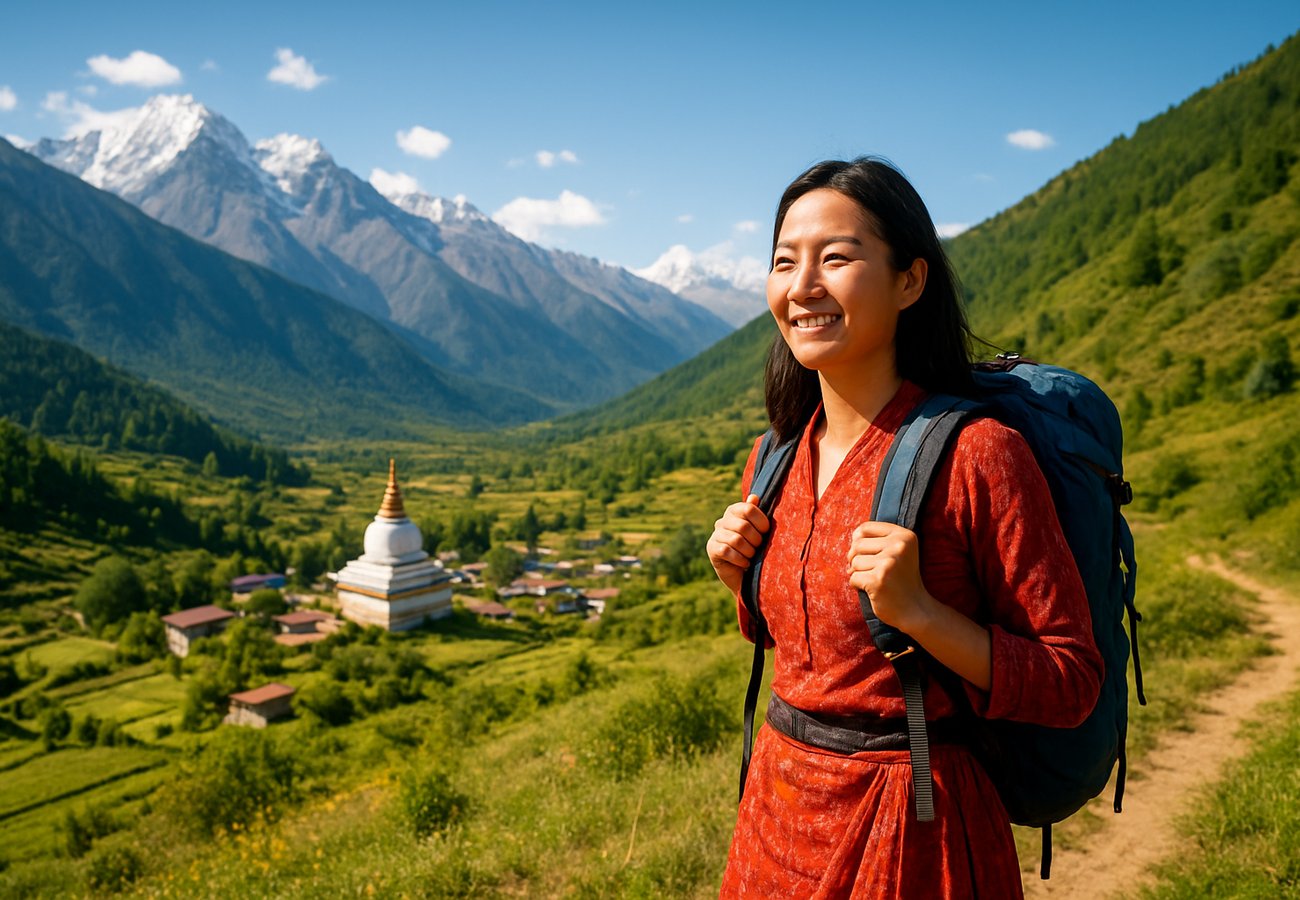
Image generated by AI
Quick Summary
- Empowerment Initiative: Dasanglu Pul has officially showcased a new model of women-led rural tourism in the Buddhist Himalayan region, focusing on sustainable development and cultural preservation.
- Spiritual Sanctuary: The initiative positions the high Himalayas as a "stable sanctuary" for global travelers fleeing the high-cost, high-tension urban centers affected by the global energy crisis.
- Energy Overhead: The shift comes precisely as Strait of Hormuz tensions and the US-Iran conflict drive oil prices to record levels, inflating the cost of traditional luxury travel.
- Gulf Anchor: Saudi Arabia, the UAE, and Qatar are facilitating the energy stability required for long-haul spiritual tourism, countering the threat of maritime shipping disruptions.
- Economic Resilience: Women-led homestays and tour services are providing a self-sufficient economic model that surmounts global trade bottlenecks and rising inflation.
- Cultural Exchange: The focus on "slow travel" and authentic Buddhist workshops is anchoring a new era of cross-cultural communication in one of the world's most remote ecosystems.
- Source: Himalayan Sustainable Development Council / Regional Tourism Bureau Report, May 8, 2026.
THE HIMALAYAS — In a world increasingly fractured by geopolitical volatility and soaring energy overheads, the Buddhist Himalayas are emerging as a beacon of resilient, women-led growth. According to breaking reports released on May 8, 2026, advocate Dasanglu Pul has unveiled a transformative rural tourism framework that places women at the forefront of the region’s economic and cultural survival. This development is being analyzed by senior global affairs and energy journalists as a strategic pivot toward "self-sufficient" tourism, occurring precisely as Strait of Hormuz tensions and a severe US-Iran conflict drive oil prices to record highs, forcing the global travel market to surmount the risks of maritime shipping disruptions.
Expanded Overview: The Rise of the "Himalayan Sanctuary"
Dasanglu Pul’s vision centers on the belief that women-led rural tourism is the only sustainable avenue for protecting the unique cultural heritage of the Buddhist Himalayas while boosting local economies. By empowering women to lead homestays, tour guide services, and cultural workshops, the region is surmounting the "Resourceful Risk" of the global energy crisis. Travelers are increasingly drawn to these remote outposts, not just for the sapphire-blue skies, but for an authentic connection to the Buddhist way of life—a connection that mass tourism models, currently crippled by fuel surcharges and logistical bottlenecks, cannot provide.
Geopolitical Context: Surmounting the Strait of Hormuz and Global Volatility
The broader geopolitical landscape in 2026 has been dominated by the standoff in the Strait of Hormuz. As Saudi Arabia, the UAE, and Qatar work to stabilize global energy flows, the resulting volatility has made traditional, urban-centric tourism increasingly expensive. The US-Iran conflict has created a "geopolitical tax" on long-haul travel, driving conscious explorers to seek out "low-impact, high-value" sanctuaries like the Himalayas. For Dasanglu Pul, the resilience of these women-led communities is a direct hedge against a world where maritime shipping lanes are frequently overshadowed by Gulf tensions.
Global Energy Impact: The "Slow Travel" Response to Record Oil Prices
Rising oil prices have fundamentally redrawn the travel map for 2026.
- Domestic Resilience: By focusing on homestays and locally-sourced hospitality, Himalayan communities are surmounting the high cost of imported energy and goods, which have spiked due to the global energy crisis.
- Strategic Shift: Travelers are opting for longer, more meaningful stays in the Himalayas—a "slow travel" model that maximizes the value of a single, high-cost flight, surmounting the volatility of the short-haul market currently plagued by airport disruptions.
Shipping and Trade Impact: The Self-Sufficient Community Model
The ongoing shipping disruption in global trade routes has made the procurement of essential goods for remote regions more difficult.
- Resourceful Growth: Women in the Buddhist Himalayan region are integrating traditional farming and crafts into their tourism offerings, creating a circular economy that is immune to global trade delays.
- Insurance Resilience: The localized nature of this tourism model allows it to bypass the record-high insurance premiums currently hitting the international maritime and aviation sectors due to Gulf tensions.
Regional Impact: The Gulf States and the Spiritual Bridge
While the Himalayas provide the sanctuary, the Gulf provides the energy bridge.
- Saudi Arabia & UAE: These nations are ensuring that the aviation fuel required for flights into New Delhi, Kathmandu, and Leh remains available, providing the "energy anchor" for Himalayan connectivity.
- Qatar's Role: As a mediator, Qatar’s diplomatic stability is critical for ensuring that the US-Iran conflict does not escalate into a full maritime blockade that would permanently ground the long-haul spiritual travel market.
Industry / Expert Analysis: The Power of Cultural Exchange
Economic analysts at the Himalayan Sustainable Development Council suggest that women-led tourism is a "Catalyst for Change." In an era where the global energy crisis makes every movement an investment, the "spiritual return" of a Himalayan journey is the only variable that remains immune to inflation. Dasanglu Pul’s focus on authentic cultural exchange provides visitors with a "world-class" standard of stewardship that survives long after the "last-chance" crowds of more volatile regions have departed.
What Happens Next: Scaling the "Sanctuary" Model
Following the May 8 showcase, several key developments are anticipated:
- Homestay Expansion: A massive rollout of certified women-led homestays across the Buddhist Himalayan region to accommodate the surge in "spiritual seekers."
- Eco-Tourism Summits: Regional leaders will meet in Leh to forge a new biosecurity and sustainability framework that protects the fragile mountain ecosystem from the "Frictionless" spread of global pathogens.
- Digital Integration: Women leaders will utilize decentralized technology to market their services directly to global travelers, surmounting the "Logistical Squeeze" of traditional travel agencies.
Conclusion: Reinforcing Global Risk and Himalayan Grace
The rise of women-led tourism in the Himalayas is a testament to the power of resilience in a world of shipping disruptions and oil price volatility. By surmounting the challenges of the global energy crisis and the geopolitical shadow of the Strait of Hormuz, Dasanglu Pul and her community of women leaders are proving that spiritual travel is the only logical response to global instability. As the world watches the Middle East, the message from the high mountains is clear: the path to the future is women-led, sustainable, and strictly protected.
Key Takeaways: Himalayan Women-Led Tourism 2026
- Leader: Dasanglu Pul, advocate for sustainable Himalayan development.
- Focus: Women-led homestays, tour services, and Buddhist cultural exchange.
- Geopolitics: Strait of Hormuz tensions driving travelers toward "spiritual sanctuaries."
- Gulf Role: Saudi Arabia, UAE, and Qatar stabilizing the energy bridge for Asian aviation.
- Economics: Self-sufficient community models surmounting global shipping disruptions.
- Outlook: Scaling the "slow travel" model to buffer against oil price volatility.
Related Tourism News
Disclaimer
This article is for informational and educational purposes only. It does not constitute legal, financial, or professional advice. While we strive to provide accurate and up-to-date information, travel policies, regulations, and conditions change rapidly. Always verify information with official sources before making travel decisions. Nomad Lawyer makes no representations about the accuracy, reliability, completeness, or suitability of the information provided. Readers should consult qualified professionals for advice specific to their circumstances. The views expressed in this article are those of the author and do not necessarily reflect the views of Nomad Lawyer.
Kunal K Choudhary
Co-Founder & Contributor
A passionate traveller and tech enthusiast. Kunal contributes to the vision and growth of Nomad Lawyer, bringing fresh perspectives and driving the community forward.
Learn more about our team →