
Orlando Shatters US Records with 76.7 Million Visitors as Global Energy Crisis and Strait of Hormuz Tensions Redefine International Travel: How Gulf Stability from Saudi Arabia and UAE Powers Florida’s Tourism Dominance Amid US-Iran Conflict
Orlando has achieved a historic milestone with 76.7 million visitors in 2025, solidifying its status as the most visited destination in the US as it surmounts the global energy crisis and maritime shipping disruptions.

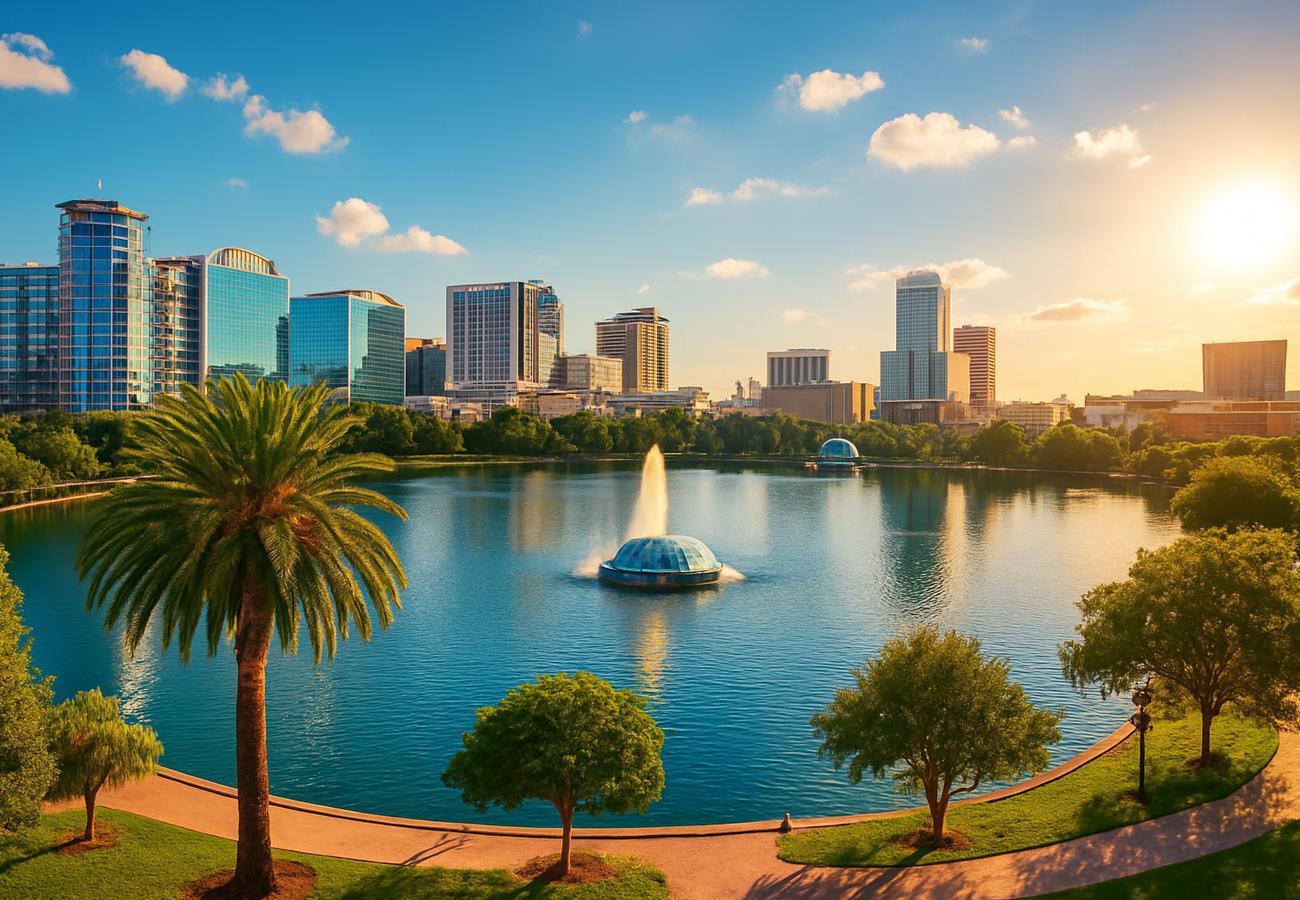
Image generated by AI
Quick Summary
- National Leadership: Orlando has officially become the most visited destination in the United States, welcoming a record-breaking 76.7 million visitors in 2025 (a 1.8% increase).
- International Resilience: Despite global volatility, international visitation surged, led by Brazil (5.6% increase), Mexico (4.6%), Colombia (5.0%), and the United Kingdom (2.8%).
- Energy Overhead: The record growth surmounts the global energy crisis precisely as Strait of Hormuz tensions and the US-Iran conflict drive oil prices to record highs.
- Gulf Anchor: Saudi Arabia, the UAE, and Qatar are facilitating the energy stability required for Orlando International Airport (MCO) to maintain its status as a global hub, including new nonstop flights to Tokyo.
- Domestic Powerhouse: Domestic travelers accounted for 70.3 million visits (a 2.2% increase), proving the resilience of the Florida market as a stable "immersive sanctuary."
- MICE Sector Boom: The group meetings and conventions sector saw a 3.1% rise, reaching 5.8 million visitors, anchoring Orlando’s economy against maritime shipping disruptions.
- Source: Visit Orlando / MCO International Strategic Report, May 8, 2026.
ORLANDO — In a monumental projection of tourism supremacy, the city of Orlando has effectively redrawn the map of global travel. According to breaking reports released on May 8, 2026, the "Theme Park Capital of the World" has shattered all previous records with 76.7 million visitors. This milestone is being analyzed by senior global affairs and energy journalists as a "Resilience Superpower," occurring precisely as Strait of Hormuz tensions and a severe US-Iran conflict drive oil prices to record highs, forcing the world’s most visited city to surmount the risks of maritime shipping disruptions and a "geopolitical tax" on international mobility.
Expanded Overview: The 76.7 Million "Immersive Sanctuary"
The scale of Orlando’s success is anchored in its ability to manage a 1.8% year-on-year increase in total visitation during a period of extreme global tension. Domestic visits rose to 70.3 million, while the international sector proved its resilience through a strategic pivot to Latin American and Asian markets. Brazil emerged as a key contributor with a 5.6% surge, positioning it as the third-largest international market for the region. The historic launch of nonstop passenger charter flights to Tokyo further solidified Orlando’s global accessibility, surmounting the "Resourceful Risk" of the 2026 energy landscape through direct, high-capacity aviation.
Geopolitical Context: Surmounting the Strait of Hormuz and the US-Iran Conflict
The broader geopolitical landscape in 2026 has been dominated by the standoff in the Strait of Hormuz. As Saudi Arabia, the UAE, and Qatar work to stabilize global energy flows, the reliability of long-haul aviation has become the ultimate benchmark for regional health. The US-Iran conflict has created a "geopolitical tax" on global travel, leading to record-high ticket prices and security alerts. By diversifying its source markets—including strong performances from Mexico (4.6%) and Colombia (5.0%)—Orlando is surmounting the threat of maritime shipping disruptions and "Choke Point" anxiety through a massive expansion of its international air service.
Global Energy Impact: The Aviation Shield Against Record Oil Prices
Rising oil prices have fundamentally redrawn the airfare map for 2026.
- Cost Efficiency: While fuel costs are at all-time highs due to the global energy crisis, Orlando’s "absolute value" proposition (immersive theme parks and upscale resorts) has kept it competitive.
- Strategic Advantage: MCO is benefiting from the energy stability provided by Saudi Arabia and the UAE, which act as the primary energy anchor for the refined jet fuels required to power Florida’s massive international arrival gates.
Shipping and Trade Impact: The MICE Sector Buffer
The ongoing shipping disruption in global trade routes has made the procurement of physical goods more difficult for the hospitality sector.
- Service Dominance: Orlando is surmounting these delays through its dominance in the meetings and conventions sector, where 5.8 million visitors contributed to a "service-first" economy that is immune to maritime bottlenecks.
- Industrial Resilience: The leisure segment (accounting for 81% of domestic visitors) ensures that Orlando remains a "high-performance" ecosystem that supports local jobs even as the global logistics sector faces record-high insurance premiums due to Gulf tensions.
Regional Impact: The Brazil Surge and the Canada Decline
International market dynamics have undergone a significant shift:
- The Brazil Factor: A 5.6% increase in Brazilian visitors proves that Latin American travelers are prioritizing Orlando as their primary "Safe Haven" for family adventure.
- The Canada Warning: A 13.3% decline in Canadian visitation serves as a visceral reminder of how fuel-driven inflation can impact traditionally stable markets, forcing a "Resourceful Pivot" toward higher-growth regions like the Asia-Pacific.
Industry / Expert Analysis: The "Immersive Superpower" Model
Logistics and tourism analysts suggest that Orlando’s 76.7 million visitor milestone is a "Masterclass in Strategic Diversification." In an era where the global energy crisis makes every international movement an investment, the city has proven that "Immersive Experiences" are the world’s most stable asset. By integrating world-class attractions with enhanced international connectivity (including the Tokyo nonstop breakthrough), Orlando is surmounting the logistical fatigue of 2026, ensuring that it remains a "world-class" standard of stewardship that survives the "last-chance" volatility of other regions.
What Happens Next: Toward a 100 Million Vision
Following the May 8 report, several key developments are anticipated:
- Infrastructure Expansion: Continued investment in MCO Terminal C and the Brightline rail link to further surmount automotive fuel costs.
- Asian Market Scaling: Following the Tokyo success, more nonstop flights from Seoul and Singapore are expected as Saudi Arabia and the UAE stabilize the Asian energy bridge.
- Bilateral Hardening: Orlando will likely use its 5.8 million MICE visitors as leverage to secure more international corporate investment, surmounting the US-Iran conflict through aggressive business-tourism integration.
Conclusion: Reinforcing the US Tourism Anchor Amid Global Risk
The 76.7 million visitors to Orlando are a testament to the power of "Immersive Resilience" in a world of shipping disruptions and oil price volatility. By surmounting the challenges of the global energy crisis and the geopolitical shadow of the Strait of Hormuz, Orlando has proven that it is the ultimate "US Tourism Anchor." As the world watches the Middle East, the message from Florida is clear: the city is open, the record is shattered, and the growth is strictly protected.
Key Takeaways: Orlando Tourism Record 2026
- Milestone: 76.7 million visitors (total); #1 US destination.
- Growth: 1.8% increase (total); 2.2% increase (domestic); 5.6% increase (Brazil).
- Geopolitics: Strait of Hormuz tensions and US-Iran conflict driving "Direct Connectivity" strategies.
- Gulf Role: Saudi Arabia, UAE, and Qatar stabilizing the MCO energy anchor for global flights.
- Asia-Pacific: Launch of nonstop Tokyo flights marking a breakthrough for Florida.
- Business: 5.8 million convention visitors anchoring the economy against shipping delays.
Related Tourism News
- Orlando International: Why 2026 is the Year of the Asia-Pacific Breakthrough
- Brazil to Florida: How Latin American Growth is Surmounting the Global Energy Crisis
- Gulf Energy Stability: Powering the US Theme Park Renaissance
Disclaimer
This article is for informational and educational purposes only. It does not constitute legal, financial, or professional advice. While we strive to provide accurate and up-to-date information, travel policies, regulations, and conditions change rapidly. Always verify information with official sources before making travel decisions. Nomad Lawyer makes no representations about the accuracy, reliability, completeness, or suitability of the information provided. Readers should consult qualified professionals for advice specific to their circumstances. The views expressed in this article are those of the author and do not necessarily reflect the views of Nomad Lawyer.
Kunal K Choudhary
Co-Founder & Contributor
A passionate traveller and tech enthusiast. Kunal contributes to the vision and growth of Nomad Lawyer, bringing fresh perspectives and driving the community forward.
Learn more about our team →