
Dark Sky Night Tourism Surges Across Utah, Arizona, and West Texas
Night tourism is expanding rapidly as travelers seek protected dark skies in Bryce Canyon, Flagstaff, and Big Bend.

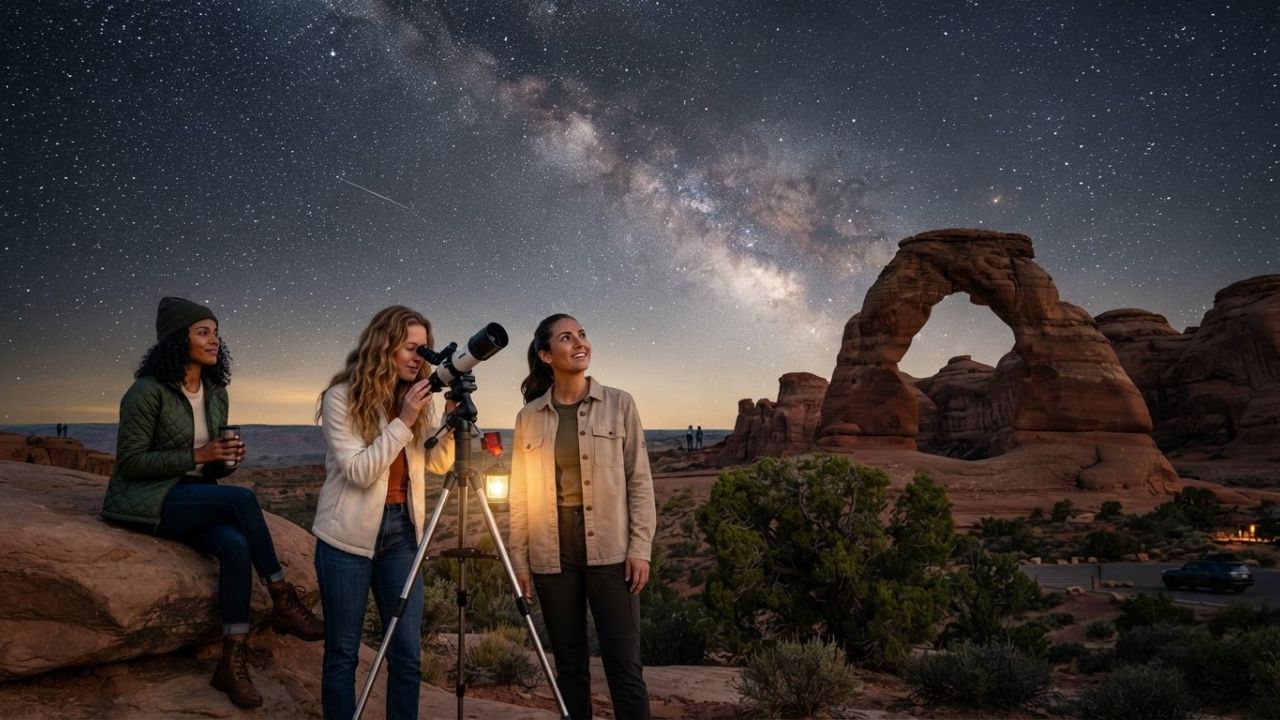
Image generated by AI
Protected dark sky sanctuaries across the American West are driving a surge in night tourism as travelers seek star-filled skies to escape summer heatwaves. This shift to after-dark exploration supports remote lodging networks and local tour operators from Utah to West Texas.
The rapid expansion of night tourism is transforming destination management, with travelers increasingly scheduling trips around astronomical events and stargazing seasons. Driven by rising summer temperatures, night photography smartphone tech, and the need to reduce peak daytime crowding, destinations are highlighting their natural darkness. Utah, Arizona, and West Texas lead the shift by implementing lighting policies to protect clear views of the Milky Way.
In Utah, national parks like Bryce Canyon and Arches partner with local gateway towns to host ranger-led constellation talks. Meanwhile, Arizona’s astronomy sector centers on Flagstaff, the world's first International Dark Sky Community, and Lowell Observatory. In West Texas, Big Bend National Park and McDonald Observatory capitalize on extreme remote geography, drawing international visitors who book multi-day lodging to attend evening telescope sessions.
Key Facts Breakdown
- Climate Drive: Hotter summer afternoons encourage tourists to schedule hiking and sightseeing activities during cooler post-sunset hours.
- Utah Leadership: Bryce Canyon, Arches, and Canyonlands offer unfiltered night views, integrating Native American storytelling into ranger programs.
- Flagstaff Observatory Hub: Flagstaff enforces municipal lighting restrictions to protect research conditions at Lowell Observatory.
- West Texas Assets: Big Bend and McDonald Observatory leverage dry desert air to provide some of the darkest viewing conditions in North America.
- Midwest Conservation: Illinois’ Middle Fork River Forest Preserve demonstrates that dark-sky conservation can thrive near major urban centers.
Data Table
| State Region | Primary Dark Sky Attraction | Managing Agency / Park | Key Evening Experience |
|---|---|---|---|
| Utah | Bryce Canyon, Arches, Canyonlands | National Park Service | Milky Way viewing & ranger astronomy talks |
| Arizona | Flagstaff Dark Sky Community | Lowell Observatory | Telescope observation & research presentations |
| West Texas | Big Bend & McDonald Observatory | National Park Service / UT Austin | Deep-space telescope viewing & desert stargazing |
| Idaho | Central Idaho Dark Sky Reserve | US Forest Service / Wilderness | Remote wilderness backpacking & night hikes |
| New Mexico | Cosmic Campground Sanctuary | Gila National Forest | Wilderness stargazing untouched by city lights |
| California | Death Valley & Joshua Tree | National Park Service | Desert astrophotography & resort astronomy clinics |
Why This Matters
For travelers planning stargazing road trips, the real impact is the need to adjust accommodation booking timelines and packing strategies. From a logistical perspective, this means booking rooms near remote dark-sky sanctuaries months in advance during meteor showers.
Our analysis of regional parks indicates that visitors should carry high-quality red-light headlamps to preserve night vision on backcountry trails. Standard white flashlights are frequently restricted during stargazing events to protect viewing quality for all attendees. This preparation is key to ensuring trail safety while respecting the wilderness rules of national sanctuaries.
Industry Outlook
We expect remote resort operators to expand luxury glamping inventory featuring transparent dome ceilings to capture the high-end stargazing market. To sustain yield growth, local boards must offer combined day-and-night activity packages. This service integration remains vital to support local businesses during off-peak autumn travel windows.
Related Travel Guides
Disclaimer
This article is for informational and educational purposes only. It does not constitute legal, financial, or professional advice. While we strive to provide accurate and up-to-date information, travel policies, regulations, and conditions change rapidly. Always verify information with official sources before making travel decisions. Nomad Lawyer makes no representations about the accuracy, reliability, completeness, or suitability of the information provided. Readers should consult qualified professionals for advice specific to their circumstances. The views expressed in this article are those of the author and do not necessarily reflect the views of Nomad Lawyer.
Kunal K Choudhary
Co-Founder & Contributor
A passionate traveller and tech enthusiast. Kunal contributes to the vision and growth of Nomad Lawyer, bringing fresh perspectives and driving the community forward.
Learn more about our team →