
US, UK, and Canada Expand 2026 Caribbean Travel Advisories for Turks and Caicos, Jamaica, and Bahamas
Governments from the US, UK, and Canada have updated 2026 Caribbean travel advisories, warning visitors of crime risks in Turks and Caicos, Jamaica, the Bahamas, Dominican Republic, and Grenada.

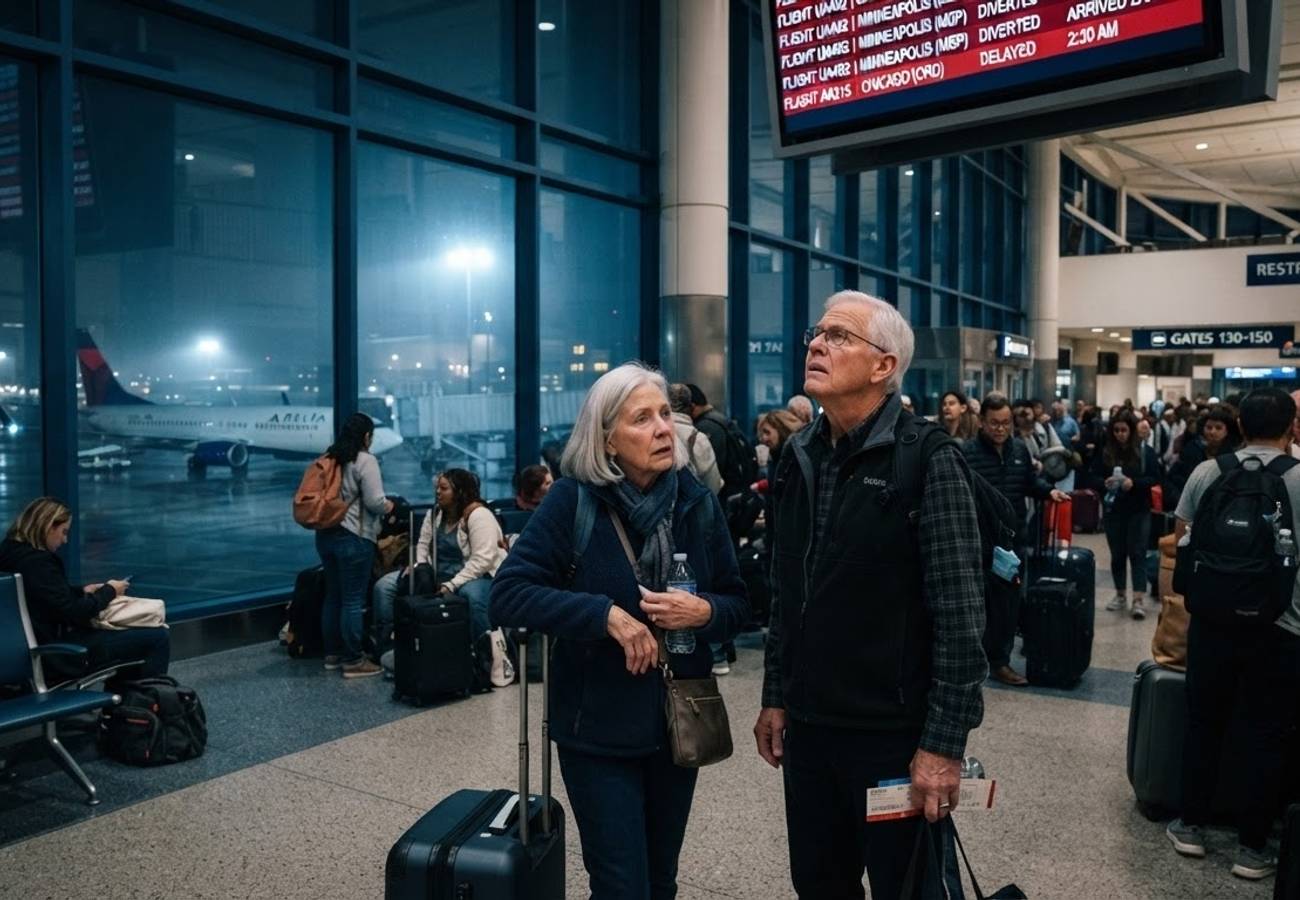
Image generated by AI
The United States, Canada, and the United Kingdom have aligned their safety guidance for international travelers, issuing expanded alerts across several high-traffic Caribbean destinations.
These updated Caribbean travel advisories 2026 specifically target Turks and Caicos, Jamaica, the Bahamas, the Dominican Republic, and Grenada. The alerts emphasize rising crime-related risks and personal safety concerns, coinciding with peak cruise and leisure travel windows.
Industry observers note that these updates are not intended to halt tourism but to shift the focus toward heightened traveler awareness. The guidance is particularly critical for cruise passengers and luxury holidaymakers who frequently venture outside controlled resort environments.
Critical Safety Risks by Destination
The updated guidance identifies specific threats that vary by geography, though theft and robbery remain the primary drivers for the alerts.
- Turks and Caicos: Despite its status as a luxury hub known for Grace Bay Beach, authorities warn of theft, robbery, and serious incidents. Travelers are urged to avoid isolated areas after dark and utilize trusted transportation.
- Jamaica: Risks are concentrated in specific communities. While Montego Bay and Negril remain operational, visitors are cautioned against entering unfamiliar areas and are advised to use only authorized transport services.
- The Bahamas: As a primary cruise hub, urban crime in areas like Nassau is a focal point. Travelers are advised to avoid displaying valuables in crowded spaces and strictly follow cruise operator safety protocols.
- Dominican Republic: The alerts for this all-inclusive market center on theft and scams, particularly in crowded locations and during taxi usage.
- Grenada: Guidance for this emerging nature-tourism destination focuses on general safety awareness for those traveling independently.
Caribbean Safety Risk Matrix 2026
| Destination | Primary Traveler Concern | Tourism Significance | Core Visitor Advice |
|---|---|---|---|
| Turks and Caicos | Crime risks, theft, and safety | Luxury resorts and cruises | Avoid isolated areas; increase awareness |
| Jamaica | Community-specific crime | Major leisure market | Use authorized transport; stay in trusted zones |
| Bahamas | Urban crime concerns | Leading cruise destination | Follow cruise operator and local guidance |
| Dominican Republic | Theft and scams | Large all-inclusive market | Protect belongings; exercise caution with taxis |
| Grenada | General safety awareness | Emerging nature/cruise hub | Follow local advice; travel carefully |
Aviation and Connectivity Infrastructure
Despite the safety alerts, the region's aviation connectivity remains robust. High-capacity carriers continue to facilitate the flow of North American and European visitors to these islands.
Key operators maintaining these corridors include:
- American Airlines: Primary US-Caribbean connectivity provider.
- Delta Air Lines: Critical leisure routes from major US hubs.
- JetBlue Airways: Extensive Caribbean holiday network.
- United Airlines: Key connector for US travelers.
- Air Canada: Essential link for Canadian winter travel.
Why This Matters: Industry Implication
Our analysis of these advisories indicates a growing tension between the "resort bubble" and the surrounding local reality. For the aviation and cruise industries, destination reputation is the primary driver of demand. When governments synchronize warnings, it creates a psychological barrier for the "independent explorer" segment of the market.
The shift toward "awareness-based" travel rather than "avoidance-based" travel suggests that these destinations are now relying on a tiered safety model. In this model, the "safe zone" (the resort or the cruise ship) is decoupled from the "risk zone" (the local urban center). For travel operators, this means an increased liability and a greater need to provide explicit, real-time safety briefings to passengers to maintain visitor confidence.
Forward Outlook
Expect cruise lines to tighten their shore excursion protocols, potentially limiting independent "walk-around" time in ports like Nassau and Kingston. We anticipate an increase in the use of "sanitized" tour corridors where security is privately managed. For the aviation sector, demand will likely remain stable due to the all-inclusive nature of these trips, but a sustained rise in government alerts could eventually trigger a shift toward more stable, low-risk emerging markets in the Atlantic or Pacific.
Travelers are urged to verify official government portals immediately prior to departure.
Related Travel Guides
Disclaimer
This article is for informational and educational purposes only. It does not constitute legal, financial, or professional advice. While we strive to provide accurate and up-to-date information, travel policies, regulations, and conditions change rapidly. Always verify information with official sources before making travel decisions. Nomad Lawyer makes no representations about the accuracy, reliability, completeness, or suitability of the information provided. Readers should consult qualified professionals for advice specific to their circumstances. The views expressed in this article are those of the author and do not necessarily reflect the views of Nomad Lawyer.
Raushan Kumar
Founder & Lead Developer
Full-stack developer with 11+ years of experience and a passionate traveller. Raushan built Nomad Lawyer from the ground up with a vision to create the best travel and law experience on the web.
Learn more about our team →