
Cuba Implements Tarea Vida Climate Policy to Protect Varadero and Cayo Coco Tourism Infrastructure 2026
Cuba is deploying the Tarea Vida state policy to combat shoreline retreat and coral bleaching in Varadero and Cayo Coco, utilizing nature-based solutions to safeguard its coastal travel economy.

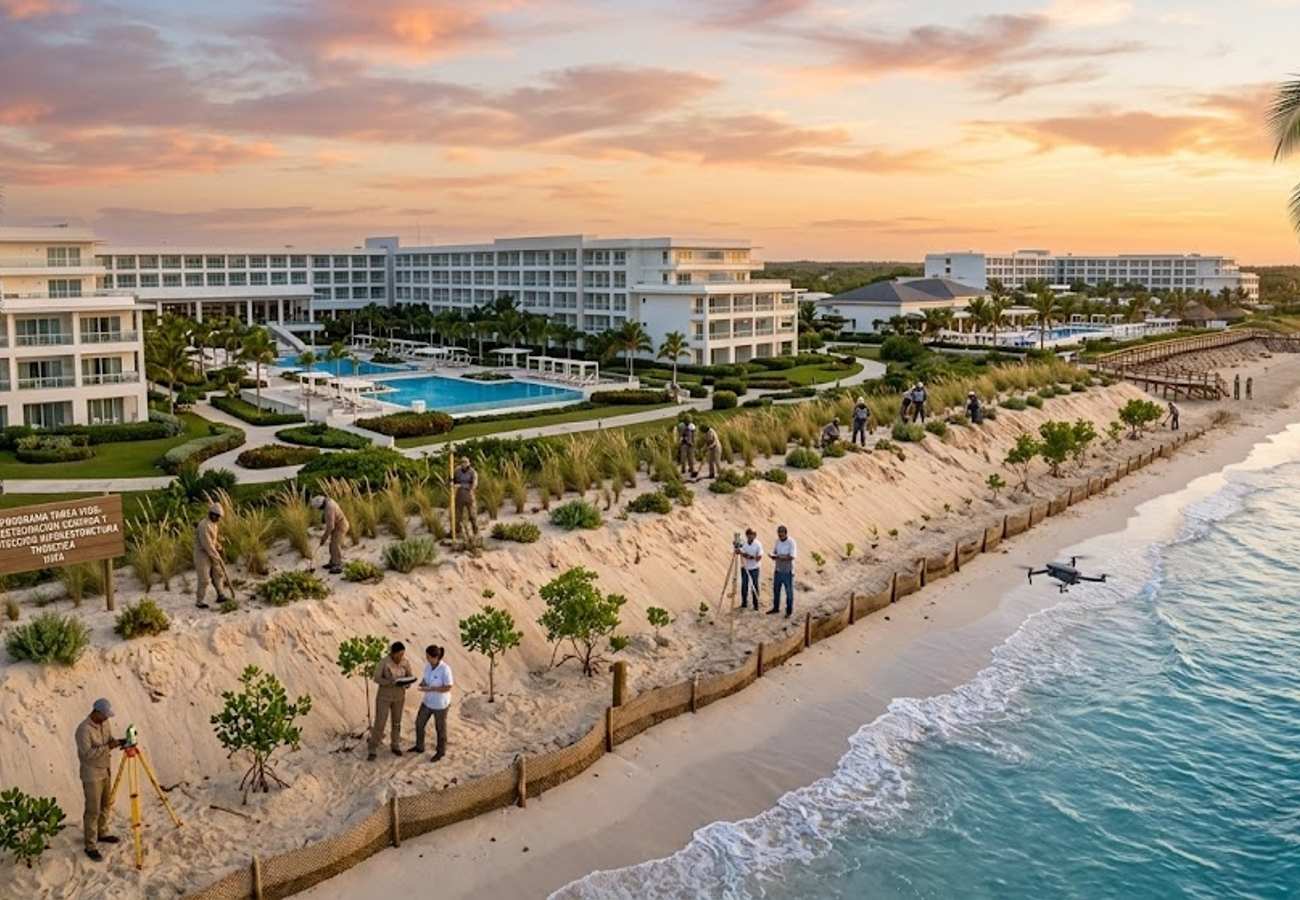
Image generated by AI
[Havana, September 17, 2026] — Cuba is aggressively executing Tarea Vida (Task Life), a comprehensive state-mandated climate strategy designed to shield the nation's primary tourism hubs, including Varadero and Cayo Coco, from accelerating sea-level rise and ecological collapse. The policy represents a systemic shift in how the island manages its coastal travel economies, prioritizing long-term environmental stability over the rapid expansion of resort infrastructure.
The initiative, approved by the Council of Ministers, coordinates a multi-sector response involving urban planning, tourism management, and environmental science. By utilizing multi-decadal scientific projections, the Cuban government is identifying high-risk zones where the intersection of rising ocean levels and fragile topography threatens to erase the foundational sands of the country's most profitable leisure destinations.
The Drivers of Coastal Degradation
The Caribbean basin is currently experiencing a period of intense physical instability that directly threatens Cuba's premier beach destinations. In Varadero and Cayo Coco, the primary threat is chronic shoreline retreat. As baseline sea levels climb, tidal forces push further inland, permanently altering the coastal topography and eroding the sand that supports luxury resorts and essential transport corridors.
Beyond the shoreline, the marine ecosystem is facing a thermal crisis. Marine heatwaves are triggering widespread coral bleaching across the Cuban Archipelago, specifically impacting areas like Cayo Largo. Healthy coral reefs are not merely tourist attractions; they serve as critical natural breakwaters that attenuate up to 97% of incoming wave energy. When these reefs collapse due to ocean warming and acidification, the coastline loses its primary defense, leaving inland infrastructure exposed to the full force of the Caribbean's high-energy wave impacts.
Furthermore, the volatility of the climate is manifesting in extreme weather patterns. Record-breaking surface temperatures are increasing the operational costs for resorts, which must now deploy more energy for guest cooling systems. Simultaneously, prolonged droughts are straining freshwater supplies on the Hicacos Peninsula, while intensified tropical cyclones continue to dismantle roofing systems and contaminate freshwater aquifers with saltwater surges.
Impacted Regions and Infrastructure
The climate crisis is not hitting all areas equally. The following table outlines the specific threats facing Cuba's key tourism zones:
| Region | Primary Threat | Infrastructure at Risk | Economic Impact |
|---|---|---|---|
| Varadero | Shoreline retreat & erosion | Beachfront hotels, coastal roads | Loss of recreational beach capacity |
| Cayo Coco | Inundation & sea-level rise | Low-lying transport links, utilities | Disruption of regional accessibility |
| Cayo Largo | Coral bleaching & reef collapse | Marine ecotourism, diving sites | Decline in high-value niche tourism |
| Hicacos Peninsula | Drought & thermal stress | Freshwater networks, power grids | Increased operational overhead |
What This Means for Travelers
For the international traveler booking a trip to Cuba, these environmental shifts translate into visible changes in the resort experience and potential volatility in travel logistics.
First, the physical layout of resorts is changing. Under Tarea Vida, the government has prohibited the construction of new hotels on dynamic coastal dunes. Travelers may notice a lack of new "beach-front" developments in certain areas as the state mandates a strategic retreat of vulnerable legacy structures. Some existing resorts in immediate flood zones are undergoing strict retrofitting or are being slated for planned demolition to restore natural resilience.
Second, the "beach experience" in Varadero is increasingly reliant on mechanical intervention. To maintain the wide sandy shores tourists expect, authorities are employing artificial beach nourishment—dredging offshore sands and depositing them along eroded sections. While this preserves the aesthetic of the beach, it is a temporary engineering fix rather than a permanent solution.
Third, marine activities, such as scuba diving and snorkeling in the archipelago, may see a decline in biodiversity. As reef complexity collapses, the vibrant underwater ecosystems that draw ecotourists are being replaced by degraded, bleached structures.
Strategic Interventions and Global Partnerships
To combat these threats, Cuba is integrating nature-based solutions with mechanical engineering. A centerpiece of this effort is the MI COSTA project, a collaborative venture supported by the United Nations Development Programme (UNDP) and the Green Climate Fund.
The MI COSTA project focuses on the restoration of mangroves and seagrass beds. These ecosystems act as natural sediment traps that lock soil in place and prevent saltwater from intruding into the freshwater aquifers that resorts rely on. By replanting mangrove forests, Cuba is creating a biological buffer that filters agricultural runoff and absorbs wave energy before it reaches the shore.
There is also a growing call for international technical cooperation. Experts suggest that if international sanctions are lifted, the collaboration of architects and engineers from the United States could provide critical support to Cuban professionals in designing more resilient coastal defenses.
Future Outlook and Timelines
The implementation of Tarea Vida is a long-term commitment with no immediate "end date," as it is designed to evolve alongside climate data. In the coming years, travelers can expect a more regulated coastal environment where tourism is strictly zoned.
The immediate priority remains the stabilization of the Varadero shoreline and the protection of the remaining healthy reef systems in the archipelago. The success of these measures will determine whether Cuba can sustain its high-density tourism model or if it must pivot toward a lower-impact, more dispersed form of travel.
FAQ: Cuba Coastal Protection 2026
Will my hotel in Varadero be affected by Tarea Vida? Most guests will not see immediate disruptions, but some legacy properties in high-risk flood zones may undergo renovations or be phased out. Check with your tour operator regarding the specific status of your resort's coastal zoning.
Are diving and snorkeling still viable in Cayo Largo? Yes, but the experience is changing. While some areas suffer from coral bleaching, the government is prioritizing reef restoration. Divers are encouraged to use eco-friendly practices to avoid further stressing fragile marine systems.
Is it safe to travel to Cuba during the cyclone season? Travel is possible, but the risk of infrastructure disruption is higher due to intensified storms. It is highly recommended to have comprehensive travel insurance that covers weather-related cancellations and emergency evacuations.
What is "beach nourishment" in Varadero? It is the process of pumping sand from the ocean floor back onto the beach to replace sand lost to erosion. This ensures the beaches remain wide enough for tourism despite rising sea levels.
The battle for Cuba's coastline is a race between engineering resilience and an advancing ocean.
Related Travel Guides
Disclaimer
This article is for informational and educational purposes only. It does not constitute legal, financial, or professional advice. While we strive to provide accurate and up-to-date information, travel policies, regulations, and conditions change rapidly. Always verify information with official sources before making travel decisions. Nomad Lawyer makes no representations about the accuracy, reliability, completeness, or suitability of the information provided. Readers should consult qualified professionals for advice specific to their circumstances. The views expressed in this article are those of the author and do not necessarily reflect the views of Nomad Lawyer.
Kunal K Choudhary
Co-Founder & Contributor
A passionate traveller and tech enthusiast. Kunal contributes to the vision and growth of Nomad Lawyer, bringing fresh perspectives and driving the community forward.
Learn more about our team →