
US State Department Elevates Travel Safety Alerts Warning Americans of Overseas Detention Risks in 2026

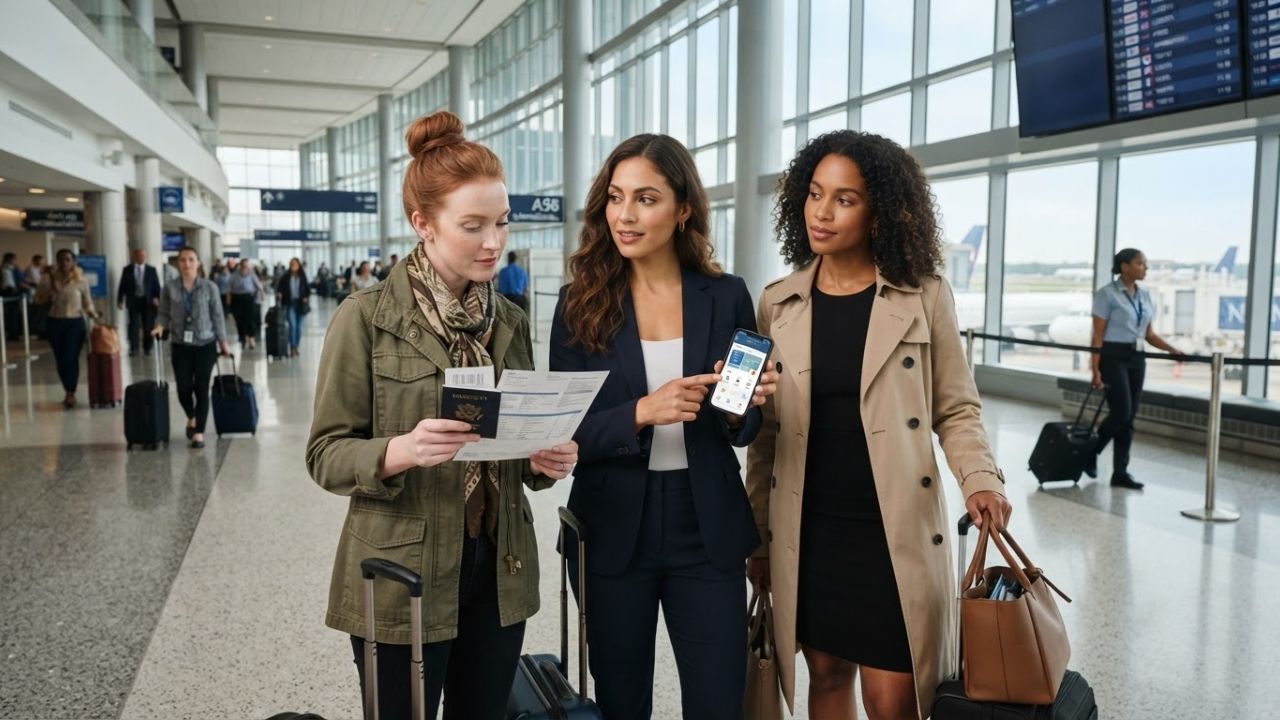
With millions of American holidaymakers and business executives traveling internationally each year, the US Department of State has elevated its global advisory framework, warning citizens that foreign legal sovereignty strictly supersedes US constitutional protections and urging travelers to maintain a low profile in destinations with heightened detention risks. As diplomatic friction and sovereign legal enforcement create complex overseas environments, consular officials emphasize that proactive security protocols—anchored by the Smart Traveler Enrollment Program (STEP)—are now essential safeguards for international mobility.
The contemporary travel climate presents unprecedented legal and operational challenges for outbound holidaymakers. While global borders have reopened and international tourism figures reach historic highs, destination security dynamics are increasingly influenced by geopolitical tensions, shifting statutory codes, and enhanced scrutiny of foreign visitors. The State Department's latest advisory guidance highlights a sobering reality: routine domestic habits, casual social media posts, unauthorized drone flights, or inadvertently possessing banned medications can trigger severe penal repercussions in foreign jurisdictions where diplomatic immunity does not apply to private citizens.
Global Travel Advisory Framework: Evaluating Detention Risks and Foreign Legal Sovereignty
The US Department of State's Bureau of Consular Affairs continually monitors worldwide safety through its four-tiered Travel Advisory structure, evaluating destinations based on crime levels, terrorism threats, civil unrest, health emergencies, kidnapping hazards, and wrongful detention risks. In destinations where legal systems lack independent judicial review or where bilateral political tensions run high, ordinary citizens risk becoming entangled in national security probes, administrative interrogations, or arbitrary detentions under ambiguous local statutes.
Federal officials emphasize that international visitors remain entirely subject to host nation laws from the moment they clear border immigration. Constitutional guarantees taken for granted in the United States—such as unrestricted free speech, protection against unlawful search, and public assembly rights—do not travel with American passports. Routine actions such as photographing government buildings, participating in street demonstrations, exchanging currency outside authorized banks, or voicing political commentary can lead to swift arrest and protracted detention without access to prompt consular visitation.
| Risk Evaluation Criterion | State Department Focus Area | Practical Impact on International Travelers |
|---|---|---|
| Wrongful Detention Indicators | Political tension, arbitrary legal systems, national security statutes | Risk of prolonged detention without formal charges or timely legal representation |
| Civil Unrest & Political Assembly | Public demonstrations, labor strikes, anti-government rallies | Legal prohibition against foreign participation in host-nation protests |
| Digital Surveillance & Online Speech | State monitoring of telecommunications, social media censorship | Prosecution for online commentary criticizing foreign heads of state or religious entities |
| Regulated Goods & Medication | Narcotics statutes, psychiatric prescriptions, electronic tracking gear | Confiscation and felony drug charges for common over-the-counter or prescribed pharmaceuticals |
| Aviation & Drone Restrictions | Unmanned aerial vehicles (UAVs), restricted airspace near borders | Immediate seizure, espionage accusations, and detention for unauthorized aerial photography |
The advisory clarifies that wrongful detention cases remain relatively rare when measured against the millions of successful overseas journeys completed annually. However, when incidents occur, they impose severe emotional, financial, and legal burdens on individuals and their families. As a result, travel preparedness must extend beyond booking accommodations and sightseeing tours to include detailed legal vetting of destination jurisdictions.
Responsible Travel: Cultural Etiquette, Community Respect, and De-Escalation
Navigating complex international destinations requires deep cultural awareness and deliberate de-escalation strategies. Maintaining a low profile overseas does not require travelers to isolate themselves in multinational hotel chains or avoid authentic cultural interactions. Instead, it demands that visitors approach host communities with discretion, humility, and acute environmental awareness.
In many regions across Asia, the Middle East, and Latin America, cultural norms and statutory codes regarding public decorum, religious deference, and administrative authority are rigorously enforced. For the visitor, the real impact of responsible travel lies in respecting local customs: dressing modestly at religious shrines, asking explicit permission before photographing local residents or markets, and abstaining from intrusive questions regarding local politics or government leadership.
Directing travel spending into community-led initiatives, locally owned guest lodges, and licensed heritage guides provides vital support to host economies while insulating travelers from legal hazards. Licensed local guides possess intimate knowledge of regional security nuances, municipal curfews, and culturally sensitive boundaries, offering an organic buffer that protects visitors from inadvertent violations of municipal codes.
Consular Tools: The Role of the Smart Traveler Enrollment Program (STEP)
A pillar of overseas safety preparation recommended by federal authorities is registration in the Smart Traveler Enrollment Program (STEP), a free consular service provided by the Bureau of Consular Affairs. Enrolling travel itineraries into STEP allows the nearest US embassy or consulate to track citizens' presence in-country and dispatch real-time security alerts during civil emergencies, natural disasters, or unexpected political crises.
Beyond digital enrollment, consular specialists urge travelers to establish redundant document access protocols before boarding international flights:
- Secure Document Redundancy: Maintain physical photocopies and encrypted digital scans of passport identification pages, foreign entry visas, travel insurance certificates, and medical prescriptions. Store backup copies on secure cloud drives accessible from alternate devices.
- Emergency Communications Plan: Establish scheduled communication check-ins with family or designated corporate contacts. Agree in advance on emergency protocols if an international traveler fails to make contact within a predetermined window.
- Consular Contact Integration: Program 24-hour contact numbers for the local US embassy consular section into mobile phones and keep written copies stored in luggage compartments.
Local Visitor Insider Tips: Legal Pitfalls, Prescription Rules, and Off-Peak Navigation
To protect personal safety and ensure smooth transit across international borders, travelers should implement these operational safeguards:
- Rigorous Medication Compliance: Many everyday pharmaceuticals sold over the counter or legally prescribed in the United States—including codeine-based painkillers, CBD oils, medical cannabis, and stimulants prescribed for ADHD (such as Adderall or Ritalin)—are classified as illegal narcotics under strict zero-tolerance statutes in countries like Japan, Singapore, the United Arab Emirates, and Indonesia. Travelers must consult host nation embassy guidelines months before travel, carry drugs in original pharmacy containers with doctor certifications, and secure official import permits where required.
- Strict Drone and Photography Rules: Never travel with or deploy consumer drones without explicit written permits issued by national civil aviation authorities and military departments. Countries such as Egypt, Morocco, India, and Jordan strictly prohibit unregistered drones, subjecting operators to immediate equipment confiscation, heavy fines, and potential espionage investigations. Avoid photographing airports, bridges, military installations, checkpoints, and government administrative compounds worldwide.
- Digital Hygiene and Boundary Awareness: Recognize that public Wi-Fi networks in high-risk destinations may be monitored. Review personal social media accounts before travel to ensure older posts do not inadvertently violate host-country laws regarding defamation of political figures, monarchies (lèse-majesté laws), or religious traditions. Avoid engaging in public debates or posting commentary on local political conflicts while in-country.
- Off-Peak Windows for Sensitive Destinations: When visiting heritage regions prone to civic friction or heavy security screening, plan travel during shoulder seasons (such as March to May or September to November in the Mediterranean and Central Asia). Off-peak travel reduces exposure to massive tourist bottlenecks, decreases airport transit friction, and allows for more personalized interaction with vetted local hospitality operators.
Long-Term Tourism Outlook: Balancing Curiosity with Legal Awareness
The expanding awareness surrounding overseas legal risks and detention hazards is reshaping the broader travel economy. Commercial airlines, international tour operators, and corporate travel management firms are integrating comprehensive legal risk assessments into consumer booking portals, ensuring that travelers understand entry conditions and local regulatory frameworks before departure.
Global tourism will continue to thrive because the human desire for cultural discovery, architectural exploration, and international connection remains universal. However, the modern traveler must balance curiosity with rigorous preparation. By pairing authentic cultural engagement with legal diligence, travelers can explore the world confidently while safeguarding their liberty and well-being abroad.
Related Travel Guides
Disclaimer
This article is for informational and educational purposes only. It does not constitute legal, financial, or professional advice. While we strive to provide accurate and up-to-date information, travel policies, regulations, and conditions change rapidly. Always verify information with official sources before making travel decisions. Nomad Lawyer makes no representations about the accuracy, reliability, completeness, or suitability of the information provided. Readers should consult qualified professionals for advice specific to their circumstances. The views expressed in this article are those of the author and do not necessarily reflect the views of Nomad Lawyer.
Raushan Kumar
Founder & Lead Developer
Full-stack developer with 11+ years of experience and a passionate traveller. Raushan built Nomad Lawyer from the ground up with a vision to create the best travel and law experience on the web.
Learn more about our team →