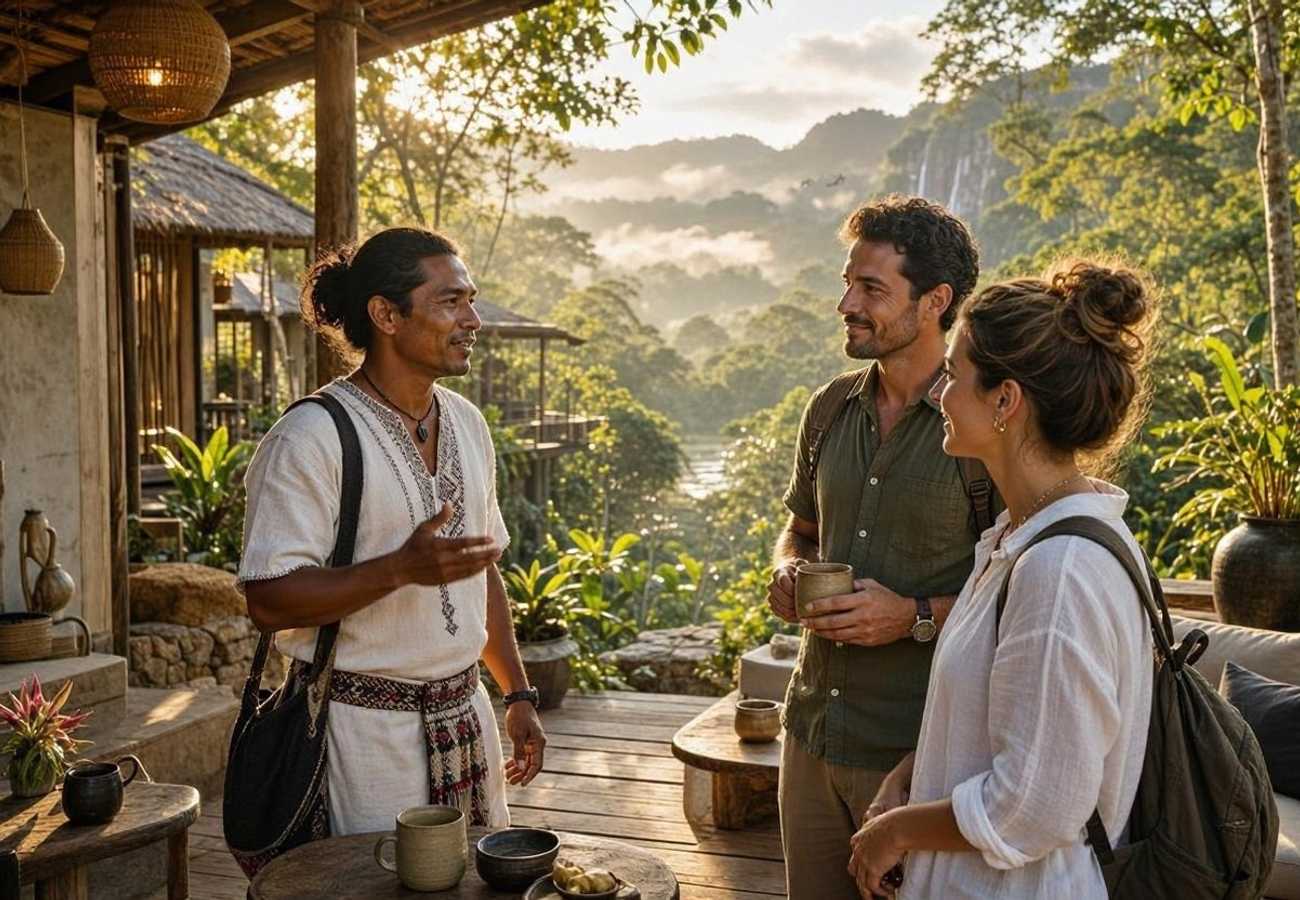
Costa Rica 2026 Adventure Tourism Expansion: New Rainforest and Volcano Itineraries Revealed

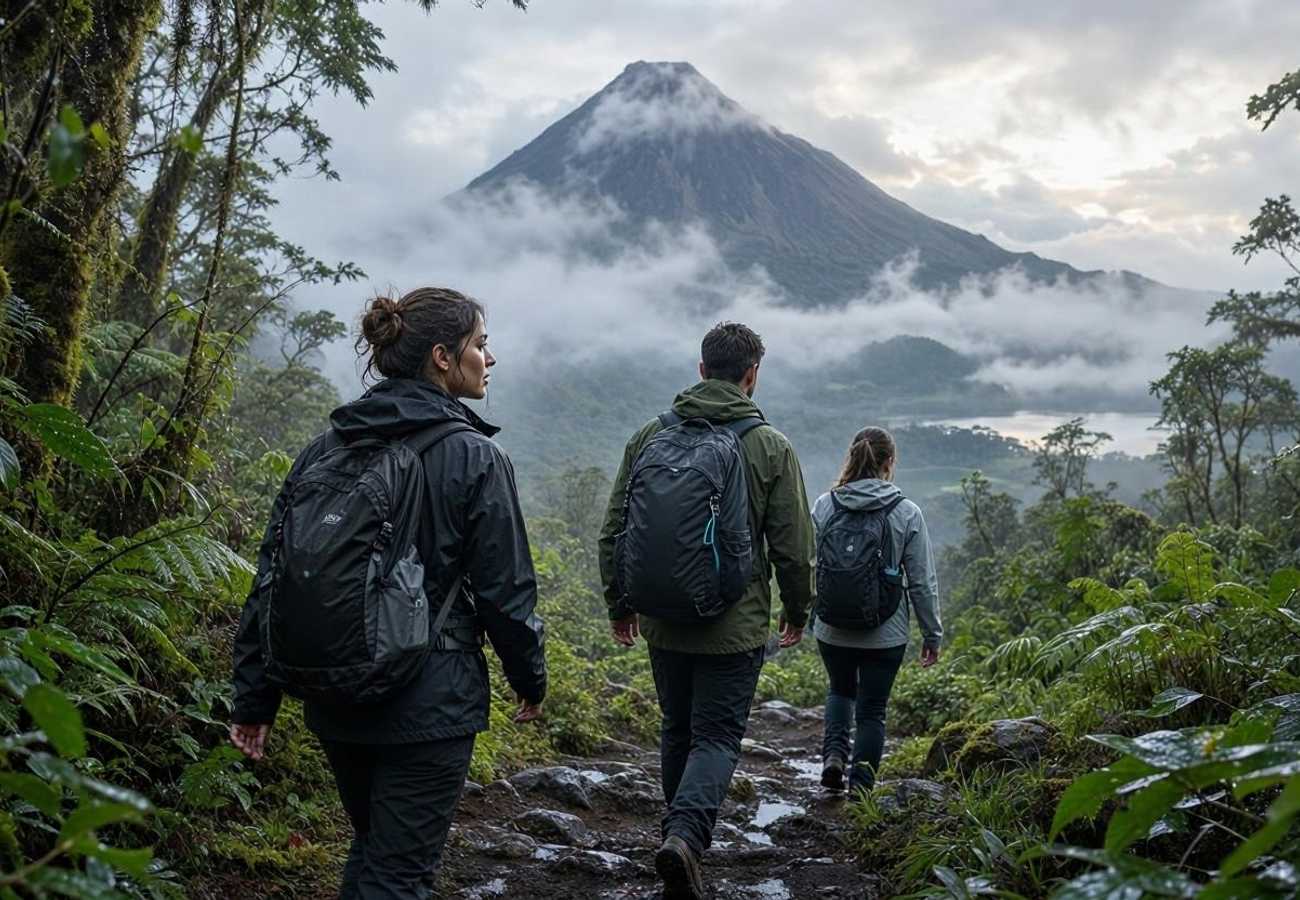
Image generated by AI
[San José, November 20, 2026] — Costa Rica is aggressively positioning itself as the premier global hub for adventure tourism in 2026, unveiling an expanded array of high-impact itineraries focusing on its volcanic highlands and biodiversity hotspots.
The national tourism strategy prioritizes a shift from traditional beach vacations toward immersive, nature-based expeditions. By leveraging its unique geography—which allows travelers to move between volcanic peaks, cloud forests, and coastal wetlands within a single trip—the country is scaling its infrastructure in key regions including La Fortuna, Monteverde, and the Osa Peninsula to accommodate a surge in active holiday seekers.
The Catalysts for Adventure Tourism Growth
The current expansion is driven by a global increase in demand for "active" travel. Costa Rica's ability to concentrate diverse ecosystems—volcanic, tropical, and marine—within a compact landmass makes it a high-efficiency destination for those seeking multiple environments without extensive transit times.
The government and local operators are focusing on the Instituto Costarricense de Turismo (ICT) standards to ensure that the increase in visitor volume does not compromise the ecological integrity of protected areas. This includes stricter regulations on wildlife interaction and the promotion of certified guides for high-risk activities like white-water rafting and canyoning.
Regional Hubs and Activity Distribution
The 2026 tourism map is divided into specific "adventure zones," each catering to different traveler profiles, from luxury eco-tourists to hardcore wilderness trekkers.
Primary Adventure Destinations 2026
| Destination | Primary Natural Attraction | Key Adventure Activities |
|---|---|---|
| La Fortuna | Arenal Volcano | Canyoning, rafting, geothermal hot springs |
| Monteverde | Cloud Forest | Ziplining, canopy walks, birdwatching |
| Manuel Antonio | Pacific Coast/Rainforest | Kayaking, wildlife trekking, surfing |
| Tortuguero | Caribbean Wetlands | Boat expeditions, turtle nesting observation |
| Guanacaste | Dry Forests/Volcanoes | Horseback riding, surfing, hiking |
| Sarapiquí | River Systems | White-water rafting, rainforest tours |
| Corcovado | Osa Peninsula Wilderness | Remote trekking, deep-wildlife spotting |
| Puerto Viejo | Caribbean Coastline | Cycling, surfing, nature excursions |
What This Means for Travelers
For those booking trips to Central America in 2026, the shift toward "adventure-first" tourism changes the logistics of trip planning.
1. Booking Requirements High-traffic sites, specifically Manuel Antonio National Park, now require advance ticket procurement through authorized digital channels. Walk-in entry is increasingly restricted to prevent over-tourism and protect wildlife.
2. Gear and Safety The promotion of the Pacuare, Sarapiquí, and Reventazón rivers for rafting means travelers must prioritize operators who provide certified safety equipment and real-time weather assessments, particularly during the heavy rainfall seasons.
3. Environmental Compliance There is a zero-tolerance policy regarding the feeding or approaching of wildlife. Travelers found violating conservation laws in national parks may face fines or expulsion from the protected areas.
4. Climate Variation Itineraries that combine the coast with Monteverde require diverse packing lists. The cloud forest's cooler, misty climate is a sharp contrast to the humid heat of Guanacaste or Puerto Viejo.
Future Infrastructure and Conservation
Looking ahead, the focus is shifting toward the Osa Peninsula and Corcovado National Park. These areas remain the most remote and biodiverse, requiring guided wilderness trekking. The goal is to maintain these as "low-impact" zones while increasing the quality of the guided experience.
The integration of sustainable transport and the expansion of eco-lodges in the Sarapiquí region suggest that the 2027 season will see an even greater emphasis on "slow travel" and scientific tourism, where visitors participate in conservation efforts.
FAQ: Costa Rica Adventure Travel 2026
Do I need a guide for national parks? While some trails allow solo hiking, guided tours are highly recommended—and in places like Corcovado, mandatory—to ensure safety and increase the likelihood of spotting rare wildlife like the resplendent quetzal.
When is the best time for white-water rafting? Rafting is available year-round, but water levels in the Pacuare and Sarapiquí rivers vary by season. Heavy rainfall increases rapids' intensity, making it ideal for experienced rafters but requiring stricter safety protocols.
How do I access Tortuguero National Park? Tortuguero is primarily accessible by boat. Travelers typically take a boat transfer from the mainland to reach the village and the network of tropical canals.
Are the volcanoes in La Fortuna active? Arenal Volcano is a dominant landmark with a dramatic landscape, though it is not currently characterized by the frequent lava flows seen in previous eruptive cycles. It remains safe for designated hiking routes.
Adventure in Costa Rica is no longer just a side trip—it is the primary draw.
Related Travel Guides
This article is for informational purposes. Flight routes, passenger regulations, visa rules, and transit advisories are subject to change by airlines and aviation authorities. Readers are advised to verify schedules and travel documentation with relevant carriers and border agencies before departure.
Related Stories

Costa Rica Airbnb Cleaning Rules 2026: End of Mandatory Checkout Chores for Travelers

Phuket Luxury Tourism Surge 2026: High-Net-Worth Arrivals and New Aviation Routes