
Combat Long-Haul Flight Stiffness: Expert Movement Strategies for International Travelers in 2026
Fitness experts reveal how simple, low-impact movements before, during, and after long-haul flights can prevent muscle stiffness and improve passenger comfort.

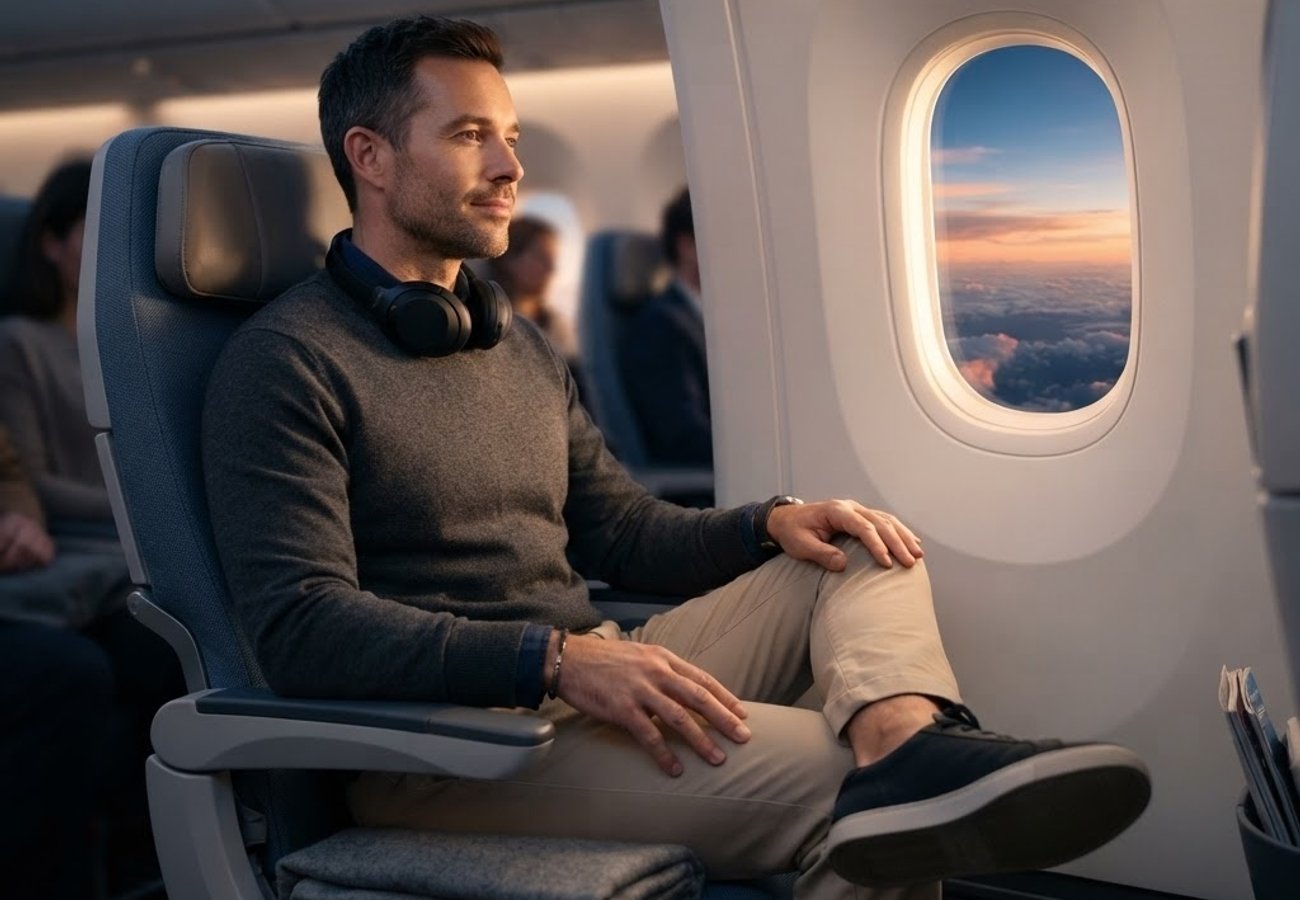
Image generated by AI
Prolonged inactivity during international flights often results in severe muscle stiffness and physical exhaustion, but fitness experts suggest that integrating small, strategic movements can significantly mitigate these effects.
Long-haul aviation is synonymous with a specific type of physical toll: the "stiff-legged" feeling that occurs after spending ten or more hours in a confined aircraft seat. This discomfort is not merely a result of fatigue but is rooted in the physiological impact of remaining in a static position for extended periods. When the body is locked into a single posture, blood flow slows, and muscles in the lower back, hips, and neck tighten.
According to fitness specialists at Geezers Boxing, the solution does not require a rigorous workout routine in the middle of a cabin. Instead, the goal is to interrupt the cycle of prolonged sitting through modest, low-impact activity. Leon Bolmeer, a personal trainer and fitness expert, emphasizes that the primary issue is a lack of regular movement rather than a need for intense physical exertion. By introducing subtle changes in position, passengers can prevent the "locking" of joints and arrive at their destination feeling more mobile.
Optimizing Pre-Flight Activity at the Airport
The battle against flight-induced stiffness begins long before the aircraft pushes back from the gate. Many travelers spend their pre-flight hours sitting in terminal lounges or at the boarding gate, which essentially extends the period of inactivity before the flight even begins.
Industry observers suggest that the airport terminal is the ideal environment for priming the body for a long journey. Instead of remaining seated, passengers are encouraged to utilize the terminal space for walking. Getting a baseline of steps before boarding reduces the total amount of uninterrupted sitting across the entire travel window. This proactive approach allows travelers to move freely without the spatial constraints of a cabin or the need to worry about disturbing neighboring passengers.
Discreet In-Seat Movements for Cabin Comfort
Once the aircraft is airborne and passengers are secured in their seats, the focus shifts to movements that can be performed within a very limited footprint. These exercises are designed to be discreet, ensuring that the comfort of other passengers is not compromised.
Targeted Ankle Mobility
Ankle circles are one of the most effective tools for maintaining circulation in the lower extremities. By slightly lifting a foot and rotating the ankle in both clockwise and counter-clockwise directions, passengers can stimulate blood flow. This simple action prevents the legs from feeling "heavy" and serves as a physical reminder to avoid remaining completely motionless for several hours.
Relieving Upper Body Tension
The shoulders and neck often bear the brunt of travel stress, especially for those using tablets, reading books, or leaning against the seatback for sleep. Shoulder rolls—slowly rotating the shoulders backward and forward—can release tension in the trapezius and rhomboid muscles. Experts advise that these movements should be controlled and comfortable, focusing on gentle release rather than forced stretching.
Lower Body Engagement
Where cabin configuration permits, passengers can engage in seated leg extensions. Gently straightening and bending the knees or moving the feet up and down helps shift the pressure on the hips and lower back. These movements are particularly valuable during peak cabin activity when leaving the seat may be inconvenient.
Safe Integration of Standing and Walking
While seated movements are helpful, vertical movement is the most effective way to reset the body's posture. However, this must be balanced with strict adherence to aviation safety protocols.
Passengers are encouraged to stand up or take a brief stroll down the aisle whenever the seatbelt sign is extinguished and cabin crew instructions permit. A short walk interrupts the compression of the spine and hips. It is critical, however, that safety remains the priority; movement should never occur during turbulence or when crew members are performing essential service duties.
Post-Landing Recovery and Transition
The physical impact of a long flight does not vanish the moment the wheels touch the tarmac. The transition from a pressurized cabin to a hotel or destination often reveals the full extent of the body's stiffness.
Fitness experts recommend a dedicated stretching routine immediately upon arrival at a destination. Focusing on the hips, hamstrings, and lower back helps the body transition from a state of restriction to a state of activity. For those arriving on vacation, this short window of gentle movement can be the difference between a day spent recovering from "plane leg" and a day spent exploring a new city.
Why This Matters: The Impact on the Traveler's Experience
From a physiological standpoint, the "stiffness" associated with long flights is a signal that the body's musculoskeletal system is under stress due to inactivity. For the traveler, this manifests as a sluggish start to a trip, potential lower back pain, and general lethargy.
By shifting the perspective from "exercise" to "movement," the barrier to entry is lowered. You do not need a gym or a yoga mat to combat the effects of a 12-hour flight; you only need the intention to change your position every hour. This approach is realistic because it integrates into the existing flow of airport procedures and cabin restrictions.
Ultimately, the strategy is about consistency over intensity. Small, regular interruptions to sitting prevent the cumulative buildup of tension. When travelers prioritize these minor adjustments, they reduce the physical "debt" accumulated during the flight, allowing for a faster recovery and a more seamless transition into their travel itinerary.
The secret to surviving a long-haul journey isn't found in the seat grade, but in the willingness to keep the body in motion.
Related Travel Guides
Disclaimer
This article is for informational and educational purposes only. It does not constitute legal, financial, or professional advice. While we strive to provide accurate and up-to-date information, travel policies, regulations, and conditions change rapidly. Always verify information with official sources before making travel decisions. Nomad Lawyer makes no representations about the accuracy, reliability, completeness, or suitability of the information provided. Readers should consult qualified professionals for advice specific to their circumstances. The views expressed in this article are those of the author and do not necessarily reflect the views of Nomad Lawyer.
Preeti Gunjan
Contributor & Community Manager
A passionate traveller and community builder. Preeti helps grow the Nomad Lawyer community, fostering engagement and bringing the reader experience to life.
Learn more about our team →