
Culture Restaurants Columbus: Walkable College District Emerges as 2026 Digital Nomad Hub
Columbus' college neighborhood transforms into a premier walkable destination in 2026, blending cultural institutions, diverse dining venues, and entertainment options attracting remote workers and digital nomads seeking urban exploration.

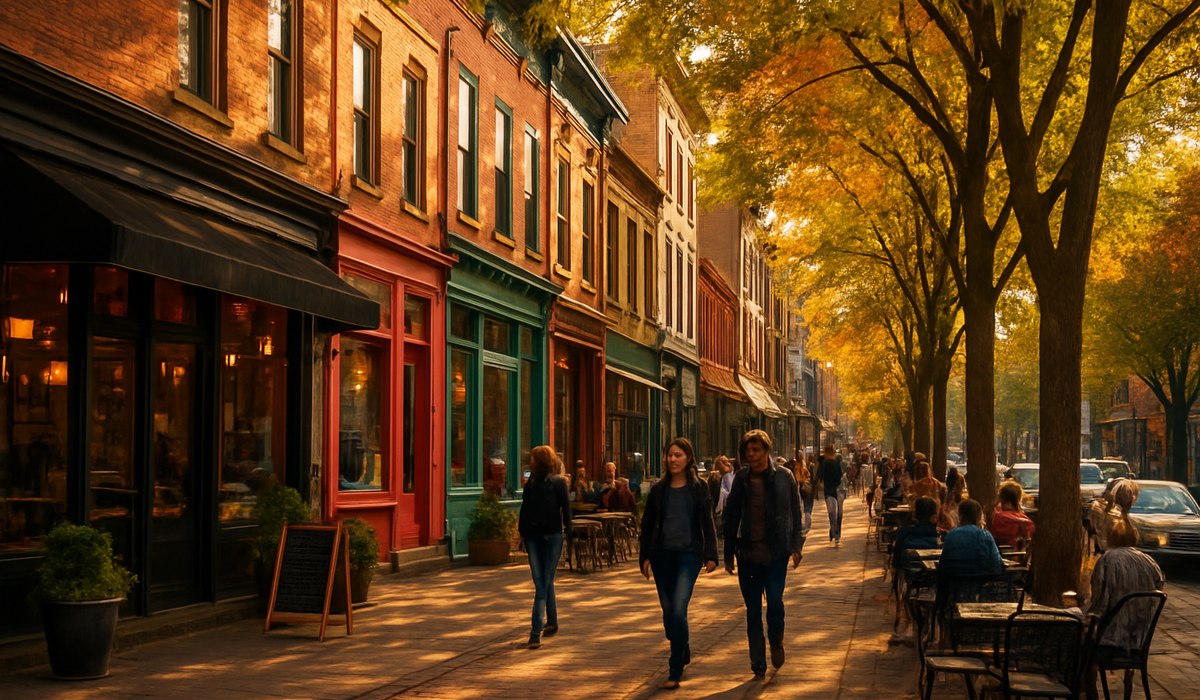
Image generated by AI
Columbus' College District Becomes North America's Most Accessible Cultural Neighborhood
Columbus' thriving college neighborhood has solidified its position as one of the country's most walkable urban districts in 2026. The area combines pedestrian-friendly infrastructure, world-class museums, and an explosive growth in culture restaurants columbus locals and visitors now frequent daily. This transformation affects digital nomads, remote workers, and cultural travelers seeking authentic city experiences without sacrificing convenience. The neighborhood's renaissance stems from strategic urban planning initiatives launched over the past three years. What makes this college district special? Its rare fusion of academic energy, artistic institutions, and neighborhood restaurants creates an ecosystem where walking distances between attractions rarely exceed 10 minutes.
Walkability as a Digital Nomad Hub
The college neighborhood's pedestrian infrastructure now ranks among the finest in the Midwest. Tree-lined sidewalks connect residential blocks to commercial corridors, coffee shops, and coworking spaces designed specifically for remote professionals. The district accommodates foot traffic across roughly 2.5 square miles of continuously accessible terrain. Streets feature dedicated bike lanes, public seating areas, and safe pedestrian crossings at major intersections. For digital nomads evaluating relocation options, this environment eliminates transportation costs and enables spontaneous exploration during work breaks. Visit https://www.columbus.org/plan-your-trip/ to explore neighborhood maps and accessibility resources for independent travelers.
Cultural Attractions and Arts Venues
Columbus' college neighborhood houses multiple Smithsonian-affiliated museums, independent galleries, and performance spaces. The district's cultural institutions span contemporary art exhibitions, natural history collections, and rotating cultural festivals throughout the year. Concert venues accommodate everyone from indie bands to orchestral performances. Theater companies produce experimental works alongside Broadway-style productions. Street murals and public sculptures transform ordinary blocks into open-air galleries. These attractions draw approximately 8 million annual visitors, according to regional tourism data. The concentration of such venues within a single walkable neighborhood differentiates Columbus from comparable metropolitan areas. For comprehensive cultural calendar information, check https://www.columbusmuseum.org/ and local arts council listings.
Diverse Dining Scene and Local Restaurants
Culture restaurants columbus now represent one of America's most diverse culinary landscapes. The neighborhood hosts establishments ranging from James Beard Award nominees to family-owned ethnic restaurants operated by immigrant communities. African, Latin American, Asian, Mediterranean, and contemporary American cuisines occupy street-level storefronts. Many restaurants emphasize locally sourced ingredients and farm-to-table preparation methods. Pop-up dining experiences and food festivals occur monthly throughout the college district. Price points accommodate budget backpackers and luxury travelers equally. The restaurant renaissance reflects broader demographic shifts and younger demographics' culinary expectations. Average meal costs range from $12-$35 per person depending on venue selection and dining formality.
Entertainment and Nightlife Options
Beyond dining and museums, the college neighborhood delivers exceptional nightlife diversity. Craft breweries and cocktail lounges occupy converted industrial spaces. Live music venues operate nightly across multiple blocks. Dance clubs, wine bars, and casual pubs serve different demographic preferences. Street festivals and block parties occur regularly throughout spring and fall months. The neighborhood's youth-oriented population sustains vibrant after-dark activity year-round. Safety improvements including expanded street lighting and increased police presence enhanced visitor confidence. For current event schedules and venue information, consult https://www.thelantern.com/entertainment/ and local visitor platforms.
Key Data on Columbus' College Neighborhood
| Metric | Detail |
|---|---|
| Walkable Area Coverage | 2.5 square miles of continuous pedestrian access |
| Annual Cultural Visitors | Approximately 8 million visitors to institutions |
| Restaurant Count | 150+ establishments within the college district |
| Average Walk Time Between Attractions | 8-12 minutes maximum |
| Museum and Gallery Venues | 12+ major institutions plus independent galleries |
| Public Transportation Connections | 6 bus lines serving neighborhood corridors |
| Average Meal Cost Range | $12-$35 per person depending on establishment |
| Average Nightlife Venue Count | 40+ bars, clubs, and music venues |
What This Means for Travelers
Columbus' college neighborhood delivers unprecedented value for multiple traveler profiles. Remote workers benefit from walkable infrastructure, affordable accommodations near cultural venues, and professional coworking facilities within the district. Couples seeking cultural city breaks enjoy museum-hopping without vehicle reliance or transportation costs. Budget travelers appreciate diverse dining options and frequent free cultural events at museums and galleries. Student groups find affordable group dining and youth-oriented entertainment appropriate for younger audiences. Here are actionable recommendations:
-
Base yourself within three blocks of the central college corridor to maximize walking distances and spontaneous discovery opportunities throughout your stay.
-
Purchase multi-day museum passes offering access to primary cultural institutions at discounted rates compared to individual admission prices.
-
Explore restaurants during off-peak hours (2-5 PM, 10 PM+) to experience authentic neighborhood dining without tourist crowds and extended wait times.
-
Download walking route maps from visitor services before arrival to navigate efficiently and identify hidden alleyway restaurants and gallery spaces.
-
Participate in neighborhood festivals scheduled monthly, providing immersive cultural experiences and local community interaction opportunities unavailable during typical visits.
Frequently Asked Questions
What makes Columbus' college neighborhood uniquely walkable compared to other major city districts?
The neighborhood spans 2.5 continuous square miles with strategic pedestrian infrastructure, multiple attractions within 8-12 minute walks, safe street conditions, and excellent public transportation connections. This density of walkable amenities exceeds comparable college districts in Pittsburgh, Cleveland, and Indianapolis. Academic institutions anchoring the neighborhood ensure sustained foot traffic and neighborhood maintenance prioritization. Most attractions remain accessible year-round regardless of weather conditions or seasonal limitations.
Which culture restaurants columbus area best represent diverse international cuisines?
Ethiopian, Vietnamese, Mexican, Indian, Greek, and Korean establishments dominate the neighborhood's culinary landscape. James Beard Award-nominated restaurants operate alongside multi-generational family-owned venues. Many restaurants source ingredients from community gardens and regional farmers. Price points accommodate budget travelers ($8-$15) through upscale dining ($30-$50 per entree). Reservation systems exist for popular venues, while walk-in dining remains viable at casual establishments.
Are there affordable accommodation options within the walkable college neighborhood itself?
Yes. Boutique hotels, university-affiliated guest houses, and modern hostels offer options ranging from $60-$180 nightly. Airbnb and vacation rental platforms feature 200+ listings within the district. Student housing transitions available during summer months provide dormitory-style accommodations at $25-$40 nightly rates. Most accommodations sit within walking distance of primary attractions and restaurant clusters.
How do remote workers and digital nomads benefit from basing themselves in this neighborhood?
Pedestrian access eliminates transportation costs and commute times. Coworking facilities, high-speed WiFi cafes, and library facilities provide professional work environments. Neighborhood restaurants serve as informal meeting spaces for networking. Cultural attractions provide afternoon/evening exploration without extensive planning. The younger demographic supports 24-hour availability of amenities and minimal seasonal closures that interrupt remote work schedules.
Related Travel Guides
- The 8 Best Lakeside Towns in Southern California: Alpine Escapes from the Los Angeles Gridlock
- Aruba Tourism Surges in Fall 2026 Beyond the Hurricane Belt
- Colorado Travelers Falling for Georgetown's Historic Silver Rush Charm
Disclaimer
This travel guide synthesizes information from Columbus tourism boards, municipal planning documents, and visitor experience platforms current as of April
Disclaimer
This article is for informational and educational purposes only. It does not constitute legal, financial, or professional advice. While we strive to provide accurate and up-to-date information, travel policies, regulations, and conditions change rapidly. Always verify information with official sources before making travel decisions. Nomad Lawyer makes no representations about the accuracy, reliability, completeness, or suitability of the information provided. Readers should consult qualified professionals for advice specific to their circumstances. The views expressed in this article are those of the author and do not necessarily reflect the views of Nomad Lawyer.
Preeti Gunjan
Contributor & Community Manager
A passionate traveller and community builder. Preeti helps grow the Nomad Lawyer community, fostering engagement and bringing the reader experience to life.
Learn more about our team →