
Missouri Historic Neighborhood: Kansas City's Walkable Digital Nomad Hub
A Missouri historic neighborhood in Kansas City emerges as an ideal walkable base for remote workers in 2026, offering cultural attractions, dining excellence, and urban convenience for location-independent professionals.

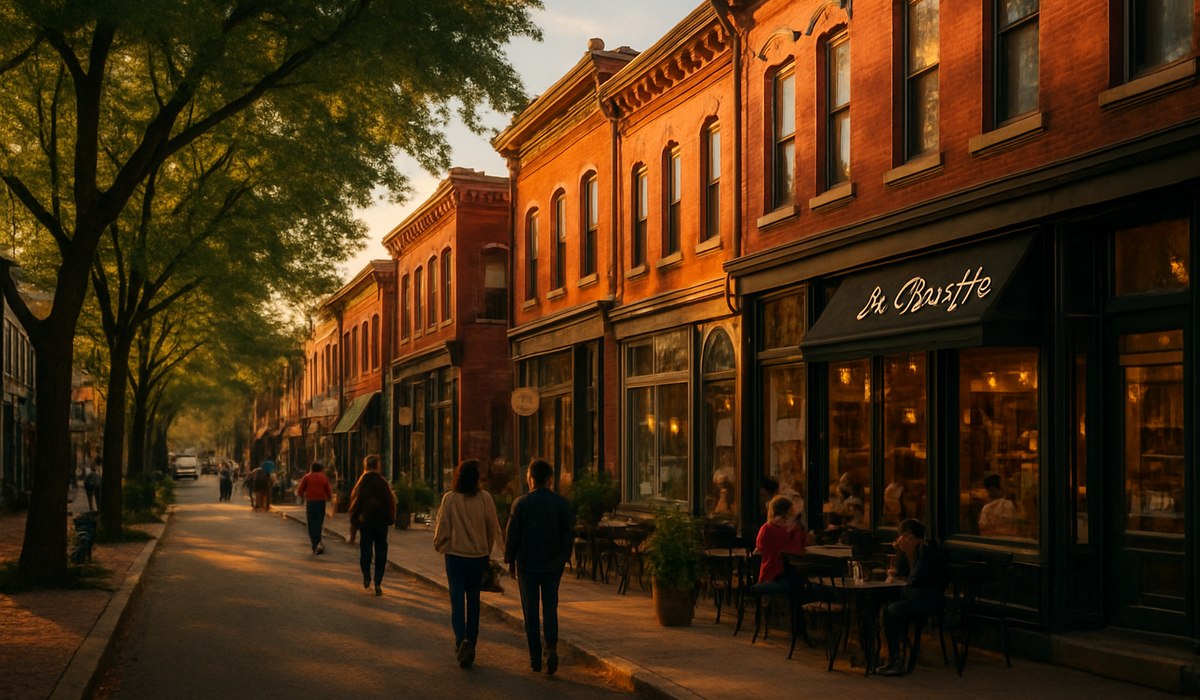
Image generated by AI
A Missouri Historic Neighborhood Redefines Walkable Living in Kansas City
Kansas City's charming historic neighborhood is establishing itself as a premier destination for digital nomads and remote professionals seeking a vibrant, pedestrian-friendly base. This carefully preserved Missouri historic neighborhood combines architectural heritage with contemporary amenities, creating an environment where walking replaces driving as the primary mode of navigation. The area's renaissance attracts location-independent workers who prioritize cultural immersion, culinary exploration, and seamless connectivity alongside their professional obligations.
Why This Neighborhood Works for Digital Nomads
The Missouri historic neighborhood's appeal for remote workers stems from its intentional urban design. Tree-lined sidewalks connect residential spaces, coworking hubs, coffee shops, and collaborative work environments within a five-minute walking radius. Unlike sprawling suburban alternatives, this highly walkable district eliminates transportation friction and reduces daily friction for professionals juggling client calls and exploration time.
Internet infrastructure throughout the neighborhood supports reliable streaming and video conferencing. Numerous properties feature fiber optic connectivity, while cafes and shared office spaces maintain enterprise-grade Wi-Fi. The compact layout means nomadic professionals can transition from morning meetings at coffee shops to afternoon meetings at dedicated workspace facilities without losing productivity momentum.
Community density also fosters professional networking. Other remote workers, freelancers, and entrepreneurs occupy the same streets, creating organic opportunities for collaboration, accountability partnerships, and skill-sharing. Workfrom.co and similar platforms regularly feature Kansas City workspace options throughout this neighborhood, connecting traveling professionals with vetted facilities.
Shopping, Dining, and Culinary Scene
The Missouri historic neighborhood houses an exceptional shopping corridor featuring independent boutiques, antique dealers, and specialty retailers. Unlike chain-dominated shopping centers, this area prioritizes locally-owned merchants who curate unique inventories reflecting regional character and craftsmanship.
Dining options span casual breakfast spots to fine dining establishments, with particular strength in farm-to-table concepts and international cuisines. The neighborhood's restaurant scene reflects Kansas City's barbecue heritage while embracing contemporary culinary innovation. Weekend farmers markets supply fresh ingredients, while established restaurants attract both residents and visitors seeking authentic culinary experiences.
Vintage and antique shops cluster throughout the district, appealing to collectors and designers seeking distinctive furnishings and decor. Several establishments specialize in mid-century modern pieces, industrial fixtures, and vintage home goods. These shopping destinations transform routine errands into treasure-hunting adventures, making daily life feel more engaging than typical nomadic routines.
Arts, Culture, and Museums Worth Exploring
Kansas City's cultural institutions anchor this Missouri historic neighborhood's appeal. Multiple museums within walking distance address diverse interests, from contemporary art to historical exhibitions. The neighborhood itself functions as an open-air gallery, with murals, public sculptures, and architectural details rewarding exploratory walking.
Live music venues throughout the district host performances spanning jazz, indie rock, blues, and experimental genres. Historic theaters underwent recent restoration, hosting theatrical productions, comedy shows, and film festivals. These cultural anchors transform evenings into enriching social experiences where nomadic professionals connect with local creative communities.
Gallery openings, art walks, and community festivals occur regularly throughout the year. Visit Kansas City's official tourism site provides comprehensive listings of cultural events and seasonal programming. First Friday art walks draw crowds exploring new exhibitions while supporting emerging artists, creating vibrant community atmosphere that makes the neighborhood feel vital and culturally significant.
Practical Tips for Setting Up Your Base
Successfully establishing your nomadic base requires understanding local logistics. Monthly furnished rentals throughout the neighborhood range from studio apartments to multi-bedroom homes, with many properties offering flexible lease terms accommodating shorter stays. Research neighborhoods carefully, as walkability varies by specific blocks—proximity to Main Street or midtown corridors ensures maximum convenience.
Obtain a Missouri state ID early in your stay, simplifying banking, mail delivery, and potential healthcare needs. Establish relationships with local coffee shop owners—they often provide workspace courtesy while supporting the local economy. Purchase a sturdy backpack or cart for daily shopping, as narrow sidewalks and neighborhood density make car storage impractical for regular errands.
Join neighborhood Facebook groups and attend community events to accelerate integration. Local residents enthusiastically welcome curious newcomers, offering recommendations for favorite restaurants, quiet working spaces, and community happenings. This social infrastructure transforms your stay from transient isolation into embedded community participation.
Key Facts About This Missouri Historic Neighborhood
| Aspect | Details |
|---|---|
| Primary Location | Kansas City, Missouri metropolitan area |
| Walkability Score | 85-92 out of 100 (highly walkable to walker's paradise) |
| Average Block Size | 250-400 feet, pedestrian-optimized |
| Number of Museums | 6+ cultural institutions within 1.5-mile radius |
| Dining Establishments | 40+ independent restaurants and cafes |
| Primary Industries | Arts, culture, hospitality, creative services |
| Average Monthly Rent (1BR) | $1,100-$1,600 depending on exact location and amenities |
| Public Transportation | Bus service covers neighborhood; bikeable to downtown |
| Internet Availability | Fiber optic and high-speed broadband in 95% of properties |
| Peak Tourist Season | Spring and fall; summers quite active; winters moderate |
What This Means for Travelers
For digital nomads evaluating Kansas City as a long-term base, this Missouri historic neighborhood addresses critical professional and lifestyle requirements simultaneously.
-
Reduce Transportation Costs: Walking eliminates daily vehicle expenses while providing incidental exercise and neighborhood discovery. Budget $0-150 monthly for transportation rather than $500+ in car-dependent districts.
-
Maximize Networking Opportunities: Concentrated populations of creatives and professionals create organic collaboration possibilities. Attend neighborhood events to build client referral networks and professional friendships.
-
Experience Authentic Urban Culture: Historic neighborhoods preserve regional character often erased in newer developments. Engage with local artists, historians, and long-time residents to understand Kansas City's cultural evolution.
-
Balance Work and Exploration: Five-minute walking distances mean lunch breaks transform into neighborhood discovery sessions. Spend afternoons exploring museums, galleries, and vintage shops without losing productive morning hours.
-
Build Sustainable Remote Work Practices: Walkable neighborhoods encourage movement and social connection, combating isolation common in remote work lifestyles. Establish routines incorporating daily walking, community cafe work sessions, and evening cultural engagement.
Frequently Asked Questions
What makes a Missouri historic neighborhood ideal for digital nomads?
Historic neighborhoods prioritize pedestrian infrastructure, dense service concentrations, and community culture—factors that reduce isolation while supporting productive remote work. Unlike dispersed suburbs, walkable districts integrate professional and social needs within efficient distances, maximizing both productivity and life quality.
How much does monthly accommodation cost in Kansas City's historic neighborhood?
Furnished studio apartments rent $900-$1,300 monthly, while one-bedroom units range $1,100-$1,600. Prices vary by exact location and amenities. Booking platforms like Airbnb and Furnished Finder offer flexible lease options accommodating nomadic timelines better than traditional landlords.
Are coffee shops suitable for full workdays in this neighborhood?
Most independent cafes welcome extended working sessions, particularly during off-peak hours (mid-morning and mid-afternoon). Build relationships with baristas, purchase regular beverages, and respect peak rush times. Many shops provide reliable Wi-Fi and power outlets supporting all-day productivity.
What transportation should I use arriving at Kansas City without a vehicle?
Kansas City International Airport connects via rideshare services and public transportation. Within the historic neighborhood, walking handles 95% of daily needs. Regional bus service (KCATA) covers longer distances, while bike rentals provide flexible local transportation without car ownership costs or parking hassles.
Related
Disclaimer
This article is for informational and educational purposes only. It does not constitute legal, financial, or professional advice. While we strive to provide accurate and up-to-date information, travel policies, regulations, and conditions change rapidly. Always verify information with official sources before making travel decisions. Nomad Lawyer makes no representations about the accuracy, reliability, completeness, or suitability of the information provided. Readers should consult qualified professionals for advice specific to their circumstances. The views expressed in this article are those of the author and do not necessarily reflect the views of Nomad Lawyer.
Kunal K Choudhary
Co-Founder & Contributor
A passionate traveller and tech enthusiast. Kunal contributes to the vision and growth of Nomad Lawyer, bringing fresh perspectives and driving the community forward.
Learn more about our team →