
India Tourism Incredible: Domestic Strategy Reshapes Brand Legacy in 2026
India shifts its tourism focus from international marketing to domestic travel development in 2026, marking a strategic pivot away from the iconic 'Incredible India' campaign that defined the nation's global brand for decades.

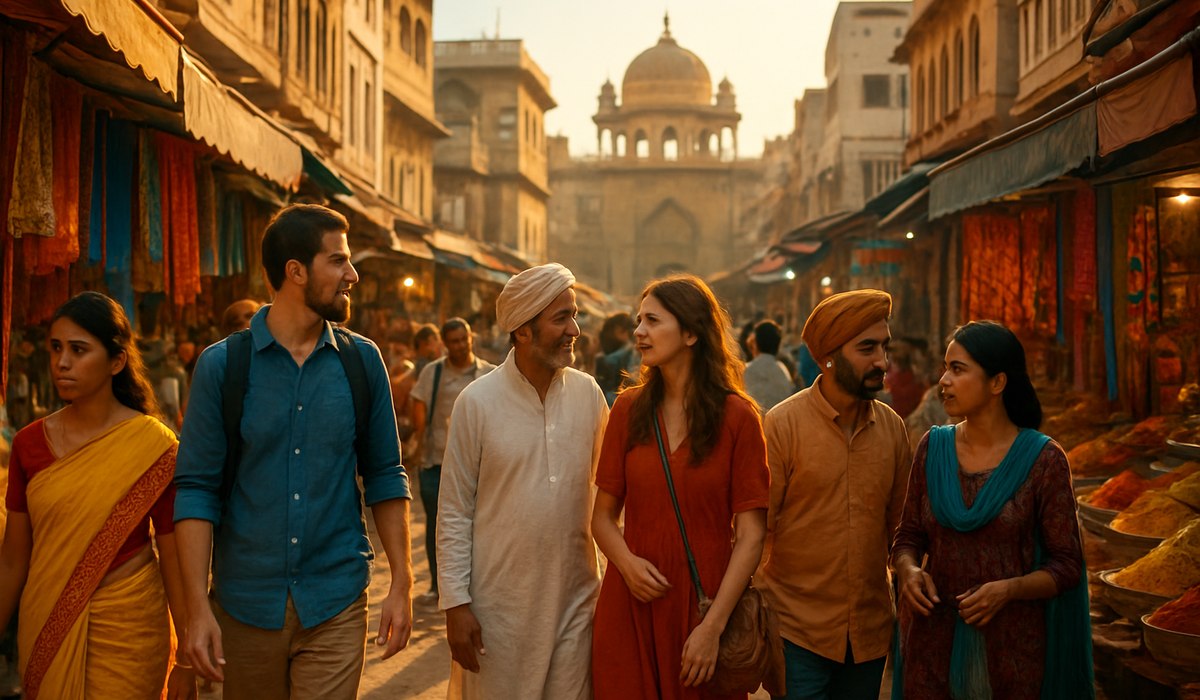
Image generated by AI
India Tourism Incredible: The Strategic Pivot from Global to Local
India's iconic tourism marketing strategy is undergoing a seismic shift. For decades, the nation's "Incredible India" campaign served as the primary vehicle for attracting international visitors, positioning the subcontinent as an exotic destination for travelers worldwide. However, 2026 marks a decisive turning point: India's tourism authorities are reallocating resources and strategic focus toward developing its massive domestic travel market rather than pursuing aggressive international expansion. This represents the end of an era and the beginning of a new chapter in how India markets itself to the world—and, more importantly, to itself.
The pivot reflects changing economic realities and demographic trends. With a growing middle class and rising disposable incomes among India's 1.4 billion citizens, the domestic travel market has become a more attractive investment target than competing for the global tourist dollar. Tourism officials now recognize that building infrastructure and experiences for Indian travelers generates sustainable revenue while strengthening regional economies from within.
The Decline of a Global Tourism Brand
The "Incredible India" campaign, launched in 2002, became one of the world's most recognizable tourism slogans. Its vibrant imagery, spiritual undertones, and promise of authentic cultural experiences resonated with Western travelers seeking transformative journeys. International arrivals climbed steadily for two decades, with the campaign winning numerous marketing awards and establishing India as a must-visit destination.
Yet the campaign's effectiveness has plateaued. Competition from Southeast Asian nations offering similar experiences at lower price points—Thailand, Vietnam, Cambodia—has diluted India's marketing advantage. Meanwhile, perception challenges around infrastructure quality, safety concerns, and infrastructure gaps have tempered international demand growth. Rather than doubling down on a campaign with diminishing returns, India's tourism ministry has concluded that resources are better invested domestically.
The decision signals a mature shift in tourism strategy: from brand-building abroad to market development at home. For more information on India's tourism evolution, visit the official India Tourism website.
Shifting Focus to Domestic Travel Markets
India's middle class has expanded dramatically over the past fifteen years. An estimated 250 million Indians now have discretionary income for leisure travel—a market vastly larger than all international tourists visiting annually. Domestic travelers contribute substantially to hotel occupancy, restaurant revenue, and attraction usage, often during off-peak seasons when international tourists are scarce.
The tourism ministry's new approach prioritizes developing destinations and services specifically for Indian travelers. This includes enhancing domestic flight connectivity, upgrading regional hotels and accommodations, and creating marketing campaigns tailored to Indian preferences and cultural values. Regional destinations—mountain stations in Himachal Pradesh, beach resorts in Goa and Kerala, spiritual centers in Varanasi and Rishikesh—are receiving enhanced investment to absorb growing domestic demand.
Domestic travel packages typically cost less than international promotions but deliver higher volume and recurring revenue. Indian families taking holidays during school breaks and festival seasons represent predictable, year-round demand. By cultivating this market, India builds resilience against global economic fluctuations and travel disruptions that affect international tourism.
Infrastructure and Investment Priorities
Supporting this strategic shift requires substantial infrastructure investment. The Indian government is channeling tourism development funds toward expanding domestic airport capacity, improving rail connectivity, and upgrading accommodation standards in secondary and tertiary cities. Highway development projects linking tourist destinations to major population centers are accelerating.
Hospitality standards are being upgraded to meet expectations of affluent Indian travelers, who increasingly demand amenities and service quality comparable to international standards. This infrastructure development benefits all visitors—domestic and international alike—but is now explicitly sequenced to serve Indian travelers first. State governments are launching competitive grants for hotel development, heritage tourism projects, and adventure tourism infrastructure in their regions.
Digital infrastructure for booking, payment, and travel planning is also receiving priority. Mobile-first booking platforms and digital payment systems reflect how Indian travelers increasingly plan and purchase travel experiences. These investments create modern tourism ecosystems that eventually become attractive to international visitors as secondary beneficiaries.
Implications for International Travelers
What does this strategic reorientation mean for tourists planning India visits? The good news: infrastructure improvements intended for domestic travelers benefit everyone. Better flights, upgraded hotels, and developed attractions make India increasingly accessible and comfortable for international visitors.
However, international marketing support will decline. The global advertising campaigns, international partnerships, and overseas tourism promotions that once made India a household destination brand will become less prominent. International travelers will need to conduct more independent research, seek recommendations from trusted sources like TripAdvisor, and rely on word-of-mouth rather than major brand campaigns.
This doesn't mean India is closing its doors. Rather, the nation is adopting a more organic approach to international tourism—investing in quality experiences that generate positive word-of-mouth rather than expensive advertising. For prepared, independent travelers, this creates authentic opportunities to explore India on their own terms, often with fewer crowds than during the peak "Incredible India" marketing era.
Best Time to Visit
India's tourism season varies dramatically by region and climate. The optimal period for most destinations runs from October through March, when temperatures are moderate and rainfall is minimal across most of the country.
Northern India, including Delhi, Agra, and Rajasthan, experiences pleasant weather from November through February. The Himalayan regions become accessible from May through September for trekking and mountaineering. Coastal areas like Kerala and Goa are ideal from November through March, avoiding monsoon season (June through September). Southern India remains warm year-round, with the best months being December through February.
Festival timing offers another consideration. Diwali (October–November), Holi (February–March), and regional festivals create vibrant cultural experiences but also attract significant domestic crowds. Planning around local festival calendars helps travelers decide between seeking authentic celebrations or preferring quieter experiences.
How to Get There
International flights serve India's major gateway cities: Delhi, Mumbai, Bangalore, and Hyderabad. Most travelers arrive through Indira Gandhi International Airport in New Delhi, which offers connections to dozens of global hubs.
Once in India, domestic flights connect major cities efficiently. Indian Railways operates an extensive network serving virtually every region, ranging from luxury trains to budget services. Long-distance buses (coaches) provide affordable ground transportation, though comfort varies significantly. Rental cars with drivers offer flexible regional exploration, while auto-rickshaws dominate urban mobility.
International travelers require Indian visas obtained from consulates or online through India's e-visa system. Most nationalities qualify for tourist visas valid for 90 days or longer, depending on citizenship. Verify current visa requirements and health documentation with your country's Indian embassy before travel.
Key Data: India Tourism Incredible Metrics
| Metric | 2024 | 2025 | 2026 Projection | Change |
|---|---|---|---|---|
| International Arrivals (millions) | 8.2 | 8.6 | 8.9 | +8.5% (2024-26) |
| Domestic Travel Volume (millions) | 395 | 420 | 450 | +13.9% (2024-26) |
| Domestic vs. International Revenue Split | 72/28 | 75/25 | 78/22 | Domestic dominance increases |
| Average Spend per Domestic Tourist (USD) | $85 | $95 | $110 | Growing middle-class spending |
| Hotel Development Focus—Domestic Rooms | 60% | 70% | 80% | Strategic shift accelerates |
| International Marketing Budget (% reduction) | — | -15% | -25% | Reallocation to domestic |
What This Means for Travelers
The transition from "Incredible India" to a domestic-focused strategy creates distinct opportunities and considerations for different visitor categories:
- Independent explorers benefit most. With reduced international marketing, destinations remain less crowded and more authentic. Travelers comfortable navigating independently will discover exceptional experiences without the infrastructure strain of peak international tourism seasons
Disclaimer
This article is for informational and educational purposes only. It does not constitute legal, financial, or professional advice. While we strive to provide accurate and up-to-date information, travel policies, regulations, and conditions change rapidly. Always verify information with official sources before making travel decisions. Nomad Lawyer makes no representations about the accuracy, reliability, completeness, or suitability of the information provided. Readers should consult qualified professionals for advice specific to their circumstances. The views expressed in this article are those of the author and do not necessarily reflect the views of Nomad Lawyer.
Raushan Kumar
Founder & Lead Developer
Full-stack developer with 11+ years of experience and a passionate traveller. Raushan built Nomad Lawyer from the ground up with a vision to create the best travel and law experience on the web.
Learn more about our team →