
Fort Worth Walkable: Museums, Gardens & Local Dining Within Steps
Fort Worth's walkable cultural district expands in 2026 with newly renovated museums, thriving artsy neighborhoods, and independent restaurants. Travelers discover world-class art, botanical gardens, and authentic dining all within comfortable walking distance.

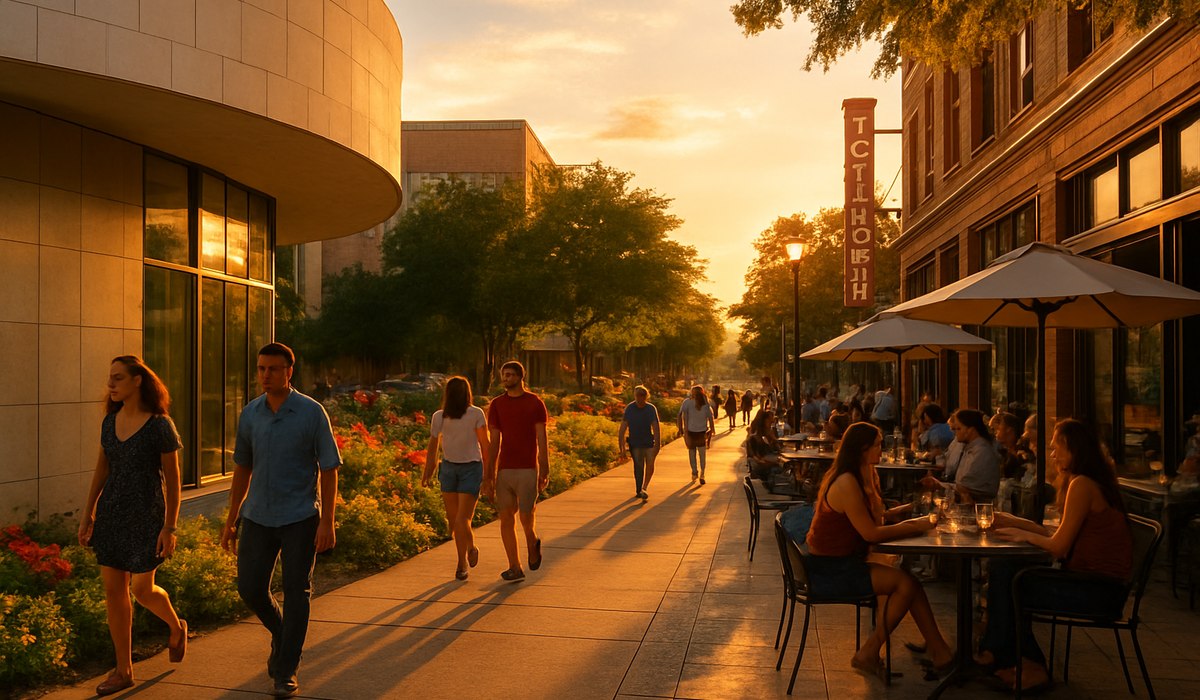
Image generated by AI
Fort Worth's Walkable Heart Emerges as Premier Cultural Destination
Fort Worth's compact cultural district has solidified its reputation as one of Texas's most engaging destinations for travelers seeking authentic urban exploration. The neighborhood, anchored by world-class institutions and independent establishments, delivers museums, botanical gardens, and award-winning restaurants within leisurely walking distance. This 2026 season brings renewed attention to the district's accessibility, with enhanced pedestrian pathways and improved visitor infrastructure making the area more inviting than ever for those prioritizing authentic cultural immersion over crowded tourist corridors.
Museums Worth Your Time
The cultural district's museum offerings span contemporary art, western heritage, and natural history. The Modern Art Museum of Fort Worth showcases rotating contemporary collections in an architecturally stunning waterfront building. Visitors experience work from established and emerging artists without navigating overwhelming crowds. The Kimbell Art Museum presents European masterpieces, pre-Columbian artifacts, and rotating exhibitions in intimate gallery spaces designed by renowned architect Louis Kahn.
Walking distances between institutions remain manageable, typically under fifteen minutes on foot. The Amon Carter Museum of American Art emphasizes western and American imagery, providing regional context and historical perspective. Staff members consistently recommend combining museum visits with garden breaks, allowing visitors to absorb artistic experience without fatigue. Many travelers find the compact fort worth walkable layout eliminates transportation stress common in sprawling cultural centers.
The Fort Worth Museum of Science and History appeals to families and curious adults alike, featuring interactive exhibits and planetarium shows. Parking remains available throughout the district, though many visitors prefer walking between venues once they've arrived.
Gardens and Green Spaces
The Fort Worth Botanic Garden provides respite from urban exploration. Spanning 110 acres, the garden features Japanese garden sections, native Texas plantings, and seasonal flower displays. Walking trails wind through diverse ecosystems, offering shaded pathways during hot Texas afternoons. The Japanese Garden specifically attracts photographers and meditation enthusiasts seeking peaceful urban green space.
Trinity Park surrounds several cultural institutions and offers riverside walking paths, picnic areas, and open green spaces perfect for leisurely strolls. Native plantings support local wildlife, creating natural areas within the downtown footprint. These spaces provide contrast to museum visits and allow travelers to experience Fort Worth's ecological character.
The gardens' accessibility through the walkable district layout encourages visitors to incorporate outdoor time naturally into their itineraries. Many travelers spend mornings in museums and afternoons exploring garden trails, maximizing both cultural and natural experiences without transportation complications.
Local Restaurants and Independent Cafes
Fort Worth's artsy district hosts restaurants emphasizing regional ingredients, innovative preparations, and genuine local hospitality. Independent establishments cluster throughout the neighborhood, offering everything from barbecue traditions to contemporary cuisine. Many restaurants maintain family-owned operations spanning multiple decades, contributing to neighborhood character and authentic dining experiences.
Cafe culture thrives along pedestrian-friendly streets. Local coffee roasters, bakeries, and lunch spots cater to both residents and visitors seeking casual meals between cultural activities. Walking the neighborhood reveals hidden gems: hole-in-the-wall taco stands, upscale farm-to-table concepts, and casual brunch destinations popular with creative professionals.
The artsy district's restaurant scene reflects Fort Worth's evolution as a destination beyond cattle ranching heritage. Chefs incorporate global techniques with Texas traditions, creating distinctive menus that define contemporary Fort Worth dining. Outdoor seating on sidewalks encourages people-watching and neighborhood observation that enhance the walkable experience.
Getting Around the District
Pedestrian infrastructure in Fort Worth's cultural district continues improving. Sidewalks accommodate comfortable walking, though comfortable shoes remain essential for full exploration. The neighborhood's compact layout means most major attractions cluster within one-mile radius, making walking practical for visitors of various fitness levels.
Parking facilities serve visitors arriving by vehicle, with multiple public and paid options throughout the district. Street parking offers free options near many attractions, reducing visitor frustration common in major cities. Public transportation connects the cultural district to other Fort Worth neighborhoods, though most visitors find walking sufficient for daily exploration.
Ride-sharing services operate throughout the district for visitors preferring motorized transport between specific stops. The fort worth walkable layout eliminates necessity for constant transportation switching, differentiating the experience from sprawling cultural centers requiring frequent vehicle trips.
Best Time to Visit
Spring months from March through May offer ideal visiting conditions for Fort Worth exploration. Temperatures range from 65 to 80 degrees Fahrenheit, comfortable for extended outdoor walking. Rainfall remains moderate, and humidity levels support garden enjoyment without excessive heat.
Fall seasons, September through November, present similar advantages. Clear skies and mild temperatures create perfect conditions for navigating the district on foot. Botanical gardens display seasonal transitions, adding visual interest to outdoor exploration.
Summer visits remain possible but require heat management strategies. Early morning museum visits followed by afternoon garden time in shaded areas suit heat-sensitive travelers. Winter rarely affects district accessibility, though occasional freezing temperatures and occasional ice can impact pedestrian safety during rare weather events.
How to Get There
Fort Worth receives flights through Dallas/Fort Worth International Airport, approximately thirty miles from the cultural district. Ground transportation from the airport includes rental vehicles, ride-sharing services, and shared shuttle options. The drive typically requires forty-five minutes to one hour depending on traffic conditions.
Visitors driving independently will find the cultural district easily navigable via major highways connecting to downtown Fort Worth. Signs directing visitors to museums and cultural attractions appear throughout the metropolitan area. GPS navigation simplifies arrival to any district attraction.
Train service connects Fort Worth to other Texas cities through Amtrak. Downtown station locations provide convenient walking access to the cultural district, appealing to travelers prioritizing sustainable transportation. Bus services operated by regional transit authorities offer economical access to the district.
Most visitors arriving by air prefer rental vehicles or ride-sharing for initial transportation, then rely exclusively on walking once they reach the district. This approach eliminates parking concerns during cultural exploration.
| Attraction | Distance from District Center | Type | Admission | Hours |
|---|---|---|---|---|
| Modern Art Museum of Fort Worth | 0.3 miles | Contemporary Art | Free-$25 | 10 AM-5 PM Daily |
| Kimbell Art Museum | 0.5 miles | Fine Art | Free | 10 AM-5 PM Tue-Sun |
| Amon Carter Museum | 0.4 miles | American Art | Free | 10 AM-5 PM Tue-Sun |
| Fort Worth Botanic Garden | 1.2 miles | Gardens | $10-15 | 8 AM-Dusk Daily |
| Trinity Park | 0.2 miles | Green Space | Free | Dawn-Dusk Daily |
| Fort Worth Museum of Science and History | 0.6 miles | Science/History | $15-25 | 10 AM-5 PM Daily |
What This Means for Travelers
Fort Worth's fort worth walkable cultural district offers distinct advantages for tourists prioritizing authentic experiences and sustainable exploration:
-
Plan clustered itineraries combining 2-3 museums with garden breaks. The compact layout supports leisurely exploration without transportation switching.
-
Wear comfortable walking shoes and plan adequate hydration. Walking distances average manageable length, but Texas heat requires preparation.
-
Stay in district hotels to maximize walking access. Numerous accommodations cluster throughout the neighborhood, supporting pedestrian-based exploration.
-
Schedule dining as cultural experience. Independent restaurants reflect neighborhood character and should factor into itinerary planning beyond mere fuel stops.
-
Allocate three to four days for comprehensive district exploration. Rushing through museums and gardens diminishes the walkable experience's primary advantage.
-
Check museum websites for current exhibitions and temporary closures before arrival. Popular venues occasionally require timed tickets during peak seasons.
Frequently Asked Questions
Is Fort Worth's cultural district truly walkable for visitors of all ages? Yes, sidew
Disclaimer
This article is for informational and educational purposes only. It does not constitute legal, financial, or professional advice. While we strive to provide accurate and up-to-date information, travel policies, regulations, and conditions change rapidly. Always verify information with official sources before making travel decisions. Nomad Lawyer makes no representations about the accuracy, reliability, completeness, or suitability of the information provided. Readers should consult qualified professionals for advice specific to their circumstances. The views expressed in this article are those of the author and do not necessarily reflect the views of Nomad Lawyer.
Preeti Gunjan
Contributor & Community Manager
A passionate traveller and community builder. Preeti helps grow the Nomad Lawyer community, fostering engagement and bringing the reader experience to life.
Learn more about our team →