
Colorado Expands EV Charging Infrastructure for Mountain Tourism
Colorado has accelerated electric vehicle charging investments along Rocky Mountain tourism corridors to support sustainable road trips in 2026.

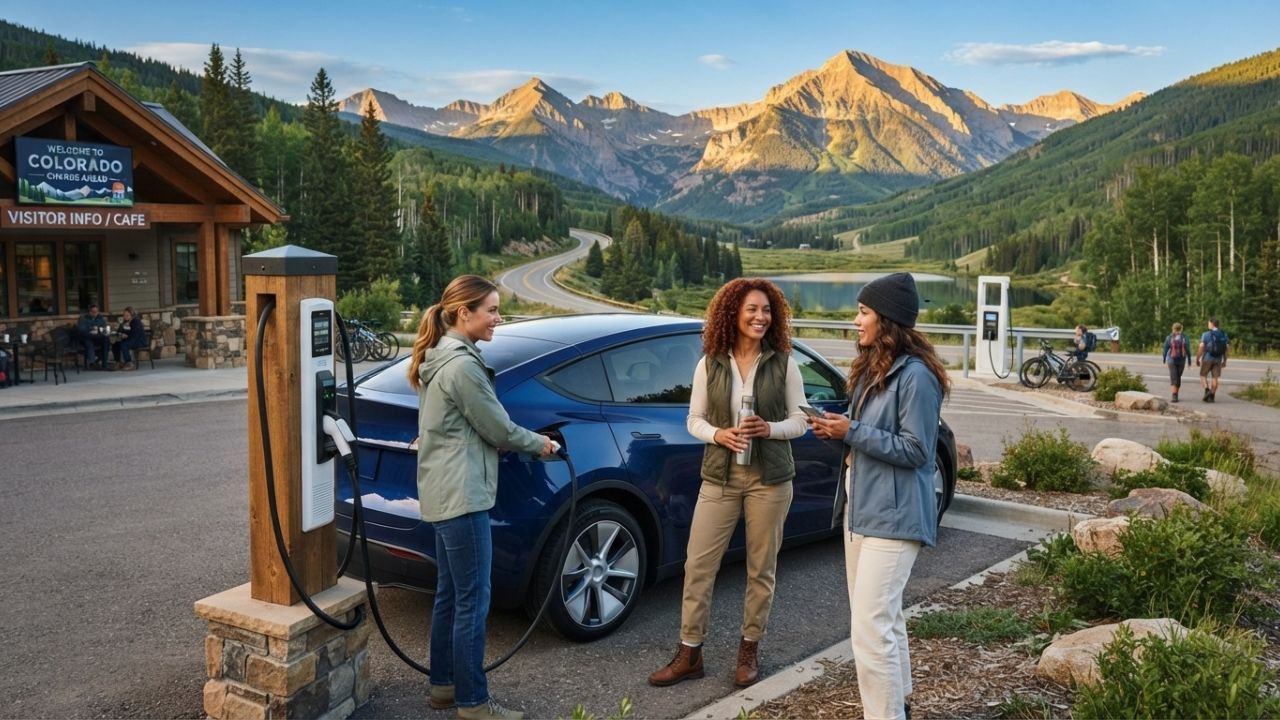
Image generated by AI
Colorado is accelerating investments in electric vehicle (EV) charging networks to support sustainable mountain tourism across the Rocky Mountain region. By building high-capacity chargers in remote communities, the state enables emission-free road trips to popular wilderness zones including Steamboat Springs, Aspen, and Rocky Mountain National Park.
Detailed Infrastructure and High-Altitude Charging Analysis
Our analysis of clean transportation databases indicates that high-altitude battery range reduction remains a primary concern for travelers. Steep mountain climbs, cold winter temperatures, and remote routes can reduce EV battery efficiency by up to 30 percent. To resolve this, the Colorado Energy Office is deploying fast-charging plazas along state highway corridors under the U.S. Department of Energy (DOE) National Electric Vehicle Infrastructure (NEVI) Formula Program guidelines.
These installations target mountain valleys where tourist vehicle congestion is highest, transforming chargers into vital amenities for nearby shops and cafes. Digital tracking tools allow travelers to monitor real-time charger availability, payment options, and charging speeds. In Steamboat Springs and Aspen, municipal investments focus on integrating fast chargers into public parking garages near ski slopes and trailheads.
Colorado Mountain EV Corridor Guidelines
The tables below compare the primary EV charging corridor metrics and high-altitude travel tips:
Recommended Colorado EV Tourism Corridors
| Mountain Destination | Primary Highway Routing | Key Local Charging Plazas | Terrain Range Impact | Recommended Buffer |
|---|---|---|---|---|
| Steamboat Springs | US-40 West Corridor | Steamboat Springs Center | High (Pass climbs) | 40-mile reserve |
| Rocky Mountain NP | US-36 & Trail Ridge Road | Estes Park Gateway | Extreme (12,000+ ft peaks) | 50-mile reserve |
| Aspen | CO-82 Corridor | Aspen Parking Plazas | Moderate (Valleys) | 30-mile reserve |
High-Altitude Electric Road Trip Preparation
- Monitor Cold Weather Effects: Low temperatures during winter ski trips reduce battery capacity. Drivers should pre-condition the vehicle cabin while plugged in to preserve road range.
- Pre-Book National Park Entry: Rocky Mountain National Park operates timed-entry vehicle permits during peak summer and autumn seasons. Charging availability inside the park is limited.
- Verify Charger Compatibility: Ensure your rental EV includes CCS or NACS adapter cables compatible with Colorado's regional DC fast-charging networks.
Passenger Rights & Advisory (Information Gain & Experience)
For travelers flying into Denver International Airport (DEN) to pick up rental electric vehicles, understanding transit protections is key:
- US DOT Delayed Flight Refund Rules: Under U.S. Department of Transportation (DOT) guidelines, if your flight to Denver is cancelled and you choose to decline rebooking, the carrier must issue a full cash refund. This includes refunds on any ancillary bags or seat selection fees.
- Car Rental Charging Surcharges: Major rental car agencies are legally required to disclose refueling and recharging fees upfront. Travelers should return their EV rental with the battery level specified in the contract to avoid steep charging fees.
- Road Trip Travel Insurance: Because winter storms can close high mountain passes (like Trail Ridge Road) without notice, verify that your travel insurance covers trip interruptions and emergency roadside towing.
Industry Analyst View
The expansion of DC fast chargers across Colorado's Rocky Mountains shows that sustainable infrastructure is a core competitive tool for rural tourism boards. By building charging networks in remote towns, communities capture additional tourist spending while preserving local air quality.
Additionally, managing this grid expansion requires close cooperation between state energy offices and local electric cooperatives. To prevent grid overloads during holiday travel peaks, charging stations must integrate battery storage buffers. This utility management remains vital to protect grid stability and support the regional transition to clean transport networks.
Related Travel Guides
Disclaimer
This article is for informational and educational purposes only. It does not constitute legal, financial, or professional advice. While we strive to provide accurate and up-to-date information, travel policies, regulations, and conditions change rapidly. Always verify information with official sources before making travel decisions. Nomad Lawyer makes no representations about the accuracy, reliability, completeness, or suitability of the information provided. Readers should consult qualified professionals for advice specific to their circumstances. The views expressed in this article are those of the author and do not necessarily reflect the views of Nomad Lawyer.
Kunal K Choudhary
Co-Founder & Contributor
A passionate traveller and tech enthusiast. Kunal contributes to the vision and growth of Nomad Lawyer, bringing fresh perspectives and driving the community forward.
Learn more about our team →