
Colombia Promotes Southern Caribbean Beaches from Arboletes to Tolú, Aligning with Regional Eco-Initiatives to Offer Sustainable and Affordable Caribbean Travel Alternatives: New Travel Alert
Colombia highlights southern Caribbean beaches from Arboletes to Tolú, showcasing mud volcanoes, coral reefs, and community-led travel alternatives.

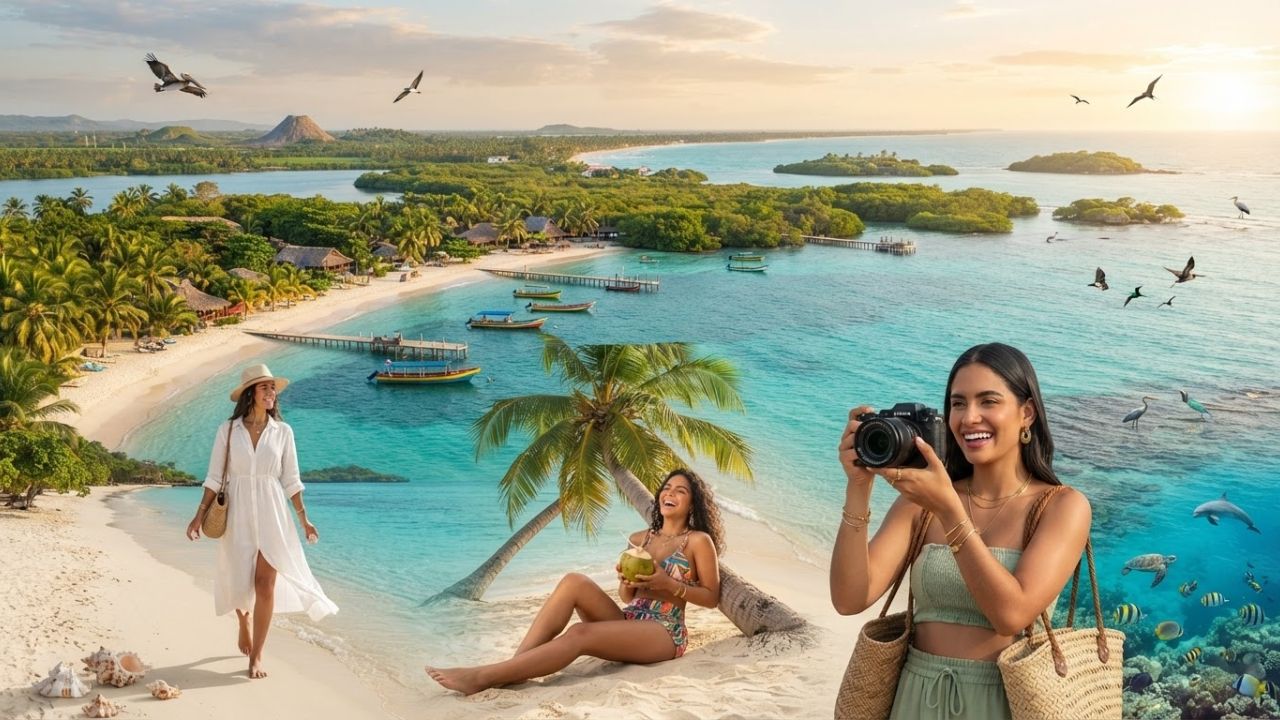
Image generated by AI
Published on July 23, 2026
The national government of Colombia has launched an initiative to promote its southern Caribbean coastline as a sustainable and uncrowded destination for international visitors. Spanning from Arboletes in Antioquia to Tolú in Sucre, the coastal region is emerging as a prime destination for affordable Caribbean travel that connects visitors with untouched coastal escapes, fishing villages, and marine ecosystems. Travelers exploring this shoreline are encouraged to support community-owned businesses, practice eco-friendly recreation, and follow local water safety guidelines during their coastal journeys.
Quick Summary
- Tourism Diversification: Colombia highlights the southern Caribbean coast to ease visitor pressure on traditional hotspots like Cartagena and Santa Marta.
- Untouched Destinations: The region includes diverse coastal towns and islands, including Moñitos, Isla Fuerte, Coveñas, and Rincón del Mar.
- Wellness and Nature Experiences: Visitors can experience the Volcán de Lodo Arboletes mud volcano and participate in diving and snorkeling excursions around mainland reefs.
- Sustainable Accommodation: The region prioritizes locally owned beachfront cabins, guesthouses, and eco-lodges over large-scale resort developments.
Context and Background: Bridging Sustainable and Affordable Caribbean Travel
The development of the southern Caribbean coastline represents Colombia's effort to promote low-impact, decentralized travel options. By publicizing lesser-known beach communities, the country aligns its eco-tourism strategies with regional initiatives in Mexico, Costa Rica, Belize, and Panama. This approach focuses on protecting marine habitats and supporting fishing communities while providing travelers with an alternative to commercialized tourist centers.
Coordinated by the ProColombia tourism portal, the program aims to distribute visitor revenue to departments like Antioquia, Córdoba, and Sucre. By promoting community-based tourism, authorities hope to prevent the overtourism challenges observed at National Natural Parks of Colombia hubs such as Tayrona. This initiative supports affordable Caribbean travel while maintaining the cultural and environmental integrity of the southern coastline.
Event and Incident Details: Emerging Coastal Hubs from Arboletes to Tolú
Colombia's southern Caribbean coast comprises a variety of towns and islands, each offering distinct natural and wellness attractions. Visitors can easily access these beach communities using regional roads and local boat services, allowing for multi-destination itineraries. The guide highlights several destinations that showcase the region's biodiversity, seafood gastronomy, and authentic hospitality.
To help travelers compare destinations along the southern shoreline, the table below profiles the key beach towns and islands:
| Destination | Department | Main Attraction | Travel Experience |
|---|---|---|---|
| Arboletes | Antioquia | Mud Volcano and Beaches | Nature, wellness, and relaxation |
| Moñitos | Córdoba | Quiet beaches | Fishing village tourism and local culture |
| Isla Fuerte | Bolívar (Island) | Coral reefs and diving | Eco-tourism, marine exploration, and diving |
| Puerto Escondido | Córdoba | Coastal scenery | Relaxed beach holidays and photography |
| San Antero | Córdoba | Mangroves and beaches | Family vacations and nature observation |
| Coveñas | Sucre | Resort beaches | Leisure tourism and water sports |
| Rincón del Mar | Sucre | Caribbean village | Cultural experiences and village life |
| Tolú | Sucre | Gulf of Morrosquillo | Island excursions and coastal transit |
Specifically, visitors can expect several key highlights through the program:
- Mud Volcano Wellness: Floating in the mineral-rich crater of Volcán de Lodo Arboletes, adjacent to the Caribbean shoreline.
- Pristine Reef Scuba Diving: Scuba diving and snorkeling among untouched coral reef formations at Isla Fuerte.
- Fisherman-Guided Culinary Tours: Fresh seafood prepared using traditional Afro-Caribbean recipes in local fishing villages.
- Calm Coastal Waters: Swimming, paddleboarding, and family-friendly beach stays in the protected Gulf of Morrosquillo.
In Moñitos, tourists can stay in family-run beachfront cabins and explore local food markets. Isla Fuerte, located 11 kilometers off the coast, features white-sand beaches, mangrove forests, and coral reefs suitable for scuba diving. Meanwhile, Coveñas features calm waters along the Gulf of Morrosquillo, making it popular for family holidays, while Arboletes offers wellness relaxation at its coastal mud volcano.
Risk and Impact: Managing Eco-tourism Guidelines and Travel Logistics
Travelers exploring Colombia's southern Caribbean coast should remain aware of local travel logistics and environmental policies:
- Limited Infrastructure and Services: Smaller destinations like Moñitos and Rincón del Mar have few banks or ATMs, requiring visitors to carry cash for local transactions.
- Marine Transfer Safety: Traveling to offshore destinations like Isla Fuerte requires boat transfers, which are subject to wind and swell changes.
- Protecting Reef Ecosystems: Divers and snorkelers must follow low-impact guidelines, avoiding contact with fragile coral structures in Bolívar's waters.
- Ecosystem Preservation: Visitors to mangrove forests in San Antero are urged to avoid littering and minimize noise to prevent disturbing local bird populations.
- Language Considerations: English-speaking services are less common in these emerging towns compared to Cartagena, making basic Spanish helpful.
According to regional land managers, maintaining small-scale, locally owned guesthouses is critical to preventing soil erosion and protecting delicate coastal aquifers.
What Authorities Are Saying: Encouraging Low-Impact, Community-Based Tourism
Colombia's Ministry of Commerce, Industry, and Tourism emphasizes that the southern Caribbean coast is designed to offer a quieter, more sustainable travel experience. Officials from the Colombia Productive Tourism Board (MINCIT) state that the priority is to support family-run businesses and local cooperatives. They highlight that community-based tourism provides direct economic benefits to fishing families and coastal residents.
National environmental directors advise operators to prioritize coral reef and mangrove conservation during excursions. They state that regulating the speed and routes of boats is essential to protecting marine fauna. Authorities will continue to monitor regional tourism growth to ensure it aligns with national sustainability standards.
Practical Traveler Advice: How to Plan Your Affordable Caribbean Travel Itinerary
For visitors planning to explore Colombia's southern Caribbean beaches, travel advisors recommend following these guidelines:
- Carry Local Currency: Withdraw sufficient Colombian Pesos (COP) in major cities like Montería or Sincelejo before traveling to smaller beach towns.
- Coordinate Boat Transfers: Schedule morning boat crossings to Isla Fuerte when sea conditions are typically calmer and safer.
- Select Eco-Friendly Lodging: Book beachfront cabins, guesthouses, or eco-lodges that operate with environmental conservation practices.
- Follow Mud Volcano Rules: Avoid wearing jewelry in the Volcán de Lodo Arboletes, and wash off only in the designated beach areas.
- Support Local Food Vendors: Buy seafood directly from village cooperatives to ensure fresh ingredients while helping local fishermen.
Broader Context: Shifting Away from Overtourism in the Caribbean
The promotion of the southern Caribbean coast is part of a larger effort to address overtourism in popular Latin American destinations. As travelers seek authentic, slow-travel experiences, emerging areas from Arboletes to Tolú offer alternatives to highly commercialized resort zones. This trend helps spread economic benefits to rural communities that have traditionally relied on small-scale agriculture and fishing.
By working with regional neighbors, Colombia aims to establish a sustainable tourism corridor along the Caribbean basin. These shared strategies focus on preserving coastal culture, protecting marine biodiversity, and providing affordable alternatives for modern travelers.
Looking Ahead: Expanding Regional Transport and Conservation Initiatives
Over the next few years, regional authorities plan to improve local road connections and port facilities in Córdoba and Sucre to support traveler access. These upgrades aim to enhance travel safety and convenience without encouraging mass resort development. Conservation groups also plan to expand coral reef restoration and mangrove planting programs along the Gulf of Morrosquillo.
Local tourism boards will continue to offer hospitality training to family-operated hotels and guesthouses. By maintaining a focus on community-based tourism, the region seeks to build a resilient tourism economy that preserves the natural landscapes and cultural traditions of Colombia's southern Caribbean coast.
Conclusion: Emphasizing Preparedness and Vigilance
In conclusion, Colombia's southern Caribbean coastline from Arboletes to Tolú provides a refreshing, affordable, and sustainable alternative for beach travelers. However, exploring these emerging coastal towns requires careful preparation, especially regarding local cash needs and transport logistics. By respecting environmental rules, supporting local businesses, and practicing safe travel, visitors can experience an authentic and memorable Colombian Caribbean vacation.
FAQ: Navigating Colombia's Southern Caribbean Beaches
Where are Colombia's southern Caribbean beaches located?
These beaches extend across the departments of Antioquia, Córdoba, and Sucre, starting south of Cartagena and running along the Gulf of Morrosquillo.
What is the Volcán de Lodo Arboletes?
It is a natural mud volcano located near the coastline in the town of Arboletes, where visitors can float in mineral-rich mud before washing in the sea.
How can travelers access Isla Fuerte?
Visitors can reach Isla Fuerte by taking a local boat transfer, which is approximately 11 kilometers from the mainland coast of Bolívar.
Are there ATMs available in the smaller beach towns?
No. Many smaller villages like Rincón del Mar and Moñitos have very limited banking services, so travelers should withdraw cash beforehand.
What water activities are popular in Coveñas?
Coveñas is popular for swimming, family beach excursions, and water sports due to its calm waters along the Gulf of Morrosquillo.
Related Travel Guides
- Washington Promotes Sustainable Tourism in Bellevue with the New Ride Bellevue Bike Program, Expanding E-Bike Access and Pacific Northwest Trail Connectivity: New Travel Alert
- Costa Rica Promotes Caribbean Wildlife Tourism at Limón's Simón Bolívar Park, Aligning with Regional Eco-Initiatives to Offer Sustainable Nature Encounters: New Travel Alert
- Park City Unveils Expanded Park City Utah Summer Travel and Outdoor Adventure Guide, Offering New Scenic Hiking, Mountain Biking, and Wellness Tourism Experiences: New Travel Alert
Disclaimer
This article is for informational and educational purposes only. It does not constitute legal, financial, or professional advice. While we strive to provide accurate and up-to-date information, travel policies, regulations, and conditions change rapidly. Always verify information with official sources before making travel decisions. Nomad Lawyer makes no representations about the accuracy, reliability, completeness, or suitability of the information provided. Readers should consult qualified professionals for advice specific to their circumstances. The views expressed in this article are those of the author and do not necessarily reflect the views of Nomad Lawyer.
Kunal K Choudhary
Co-Founder & Contributor
A passionate traveller and tech enthusiast. Kunal contributes to the vision and growth of Nomad Lawyer, bringing fresh perspectives and driving the community forward.
Learn more about our team →