
Costa Rica Promotes Caribbean Wildlife Tourism at Limón's Simón Bolívar Park, Aligning with Regional Eco-Initiatives to Offer Sustainable Nature Encounters: New Travel Alert
Costa Rica showcases Caribbean wildlife tourism at Simón Bolívar Park in Limón, offering urban sloth and wild monkey viewings for cruise visitors.

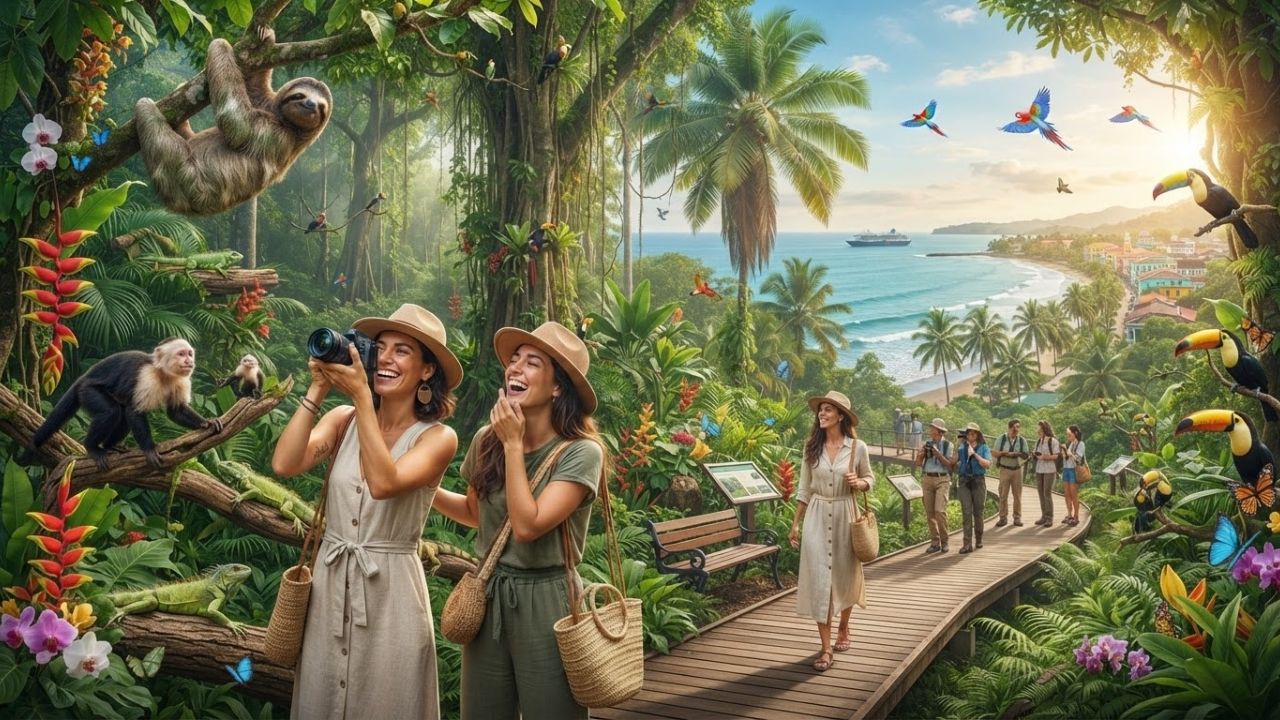
Image generated by AI
Published on July 23, 2026
The government of Costa Rica has announced a renewed focus on regional eco-tourism to boost Caribbean wildlife tourism at Limón's Simón Bolívar Park. Positioned directly along the Caribbean coast, this urban wildlife sanctuary offers accessible wildlife viewing for cruise passengers, families, and photographers. Travelers visiting the coastal hub are encouraged to follow environmental regulations, stay on designated walking trails, and participate in responsible wildlife observation practices.
Quick Summary
- Regional Eco-Tourism Alignment: Costa Rica aligns its conservation-driven tourism model with regional neighbors including Panama, Nicaragua, Colombia, and Jamaica.
- Accessible Wildlife Haven: Simón Bolívar Park provides an accessible urban green space in downtown Limón where visitors can view native animals without traveling to remote forests.
- Diverse Coastal Wildlife: The park serves as a natural habitat for two-toed and three-toed sloths, white-faced capuchin monkeys, iguanas, butterflies, and tropical coastal birds.
- Cruise Port Proximity: Located within walking distance of Limón's cruise terminal, the park serves as a convenient and authentic excursion option.
Context and Background: Cultivating Caribbean Wildlife Tourism
The expansion of conservation initiatives at Simón Bolívar Park represents Costa Rica's commitment to sustainable urban development. By promoting green spaces within metropolitan areas, the country highlights how environmental stewardship can support local economies and biodiversity protection. This approach is coordinated with efforts across Central America and the Caribbean, aligning with sustainable tourism programs in Panama, Nicaragua, Colombia, and Jamaica.
Supported by the Costa Rica Tourism Board, the initiative aims to showcase the country's biodiversity in accessible urban settings. Land managers working under the National System of Conservation Areas (SINAC) emphasize that urban wildlife parks help protect migratory corridors and native species. This focus on local conservation efforts supports sustainable Caribbean wildlife tourism while offering high-quality visitor experiences in accordance with guidelines from the United Nations Educational, Scientific and Cultural Organization (UNESCO).
Event and Incident Details: Core Attractions at Simón Bolívar Park
Simón Bolívar Park serves as a critical habitat for native Caribbean species, making it a key destination for wildlife viewing. Located in downtown Limón, the park features mature tropical trees, waterfront views, and clear walking paths. The attraction allows travelers to observe Costa Rica's famous wildlife in their natural, wild state while remaining close to modern conveniences.
To help travelers plan their visits, the table below highlights the core features of the park:
| Feature Category | Detail Information |
|---|---|
| Destination | Limón, Costa Rica |
| Attraction Type | Urban wildlife park |
| Known For | Sloths, monkeys, tropical birds, Caribbean scenery |
| Location | Downtown Limón along the Caribbean coast |
| Best Visitors | Cruise travelers, families, photographers, nature lovers |
| Primary Experience | Wildlife viewing and nature walks |
Additionally, the park hosts a wide variety of wildlife species:
| Wildlife Group | Key Species Found | Visitor Experience & Viewing Tips |
|---|---|---|
| Sloths | Two-toed sloth, Three-toed sloth | Rest in towering tree canopies; easiest to spot with local guides |
| Monkeys | White-faced capuchin monkeys | Active and playful; regularly seen moving through branches |
| Reptiles | Iguanas | Common along sunny areas, pathways, and waterfront zones |
| Tropical Birds | Pelicans, parrots, herons, egrets | Coastal and tropical species visible throughout the day |
| Insects | Native Caribbean butterflies | Attracted to the park's lush tropical vegetation |
Specifically, visitors can expect several key highlights during their excursion:
- Sloth Canopy Sightings: Frequent viewing of wild two-toed and three-toed sloths in mature tropical trees.
- Playful Capuchin Monkeys: Close encounters with active, native white-faced capuchin monkey families.
- Waterfront Coastal Paths: Scenic waterfront trails featuring ocean breezes and views of the Caribbean Sea.
- Cruise Terminal Proximity: Easy walking access from Limón's main port and downtown shopping district.
The proximity of the park to the Caribbean waterfront enhances the overall aesthetic, providing ocean breezes and scenic coastal panoramas. This unique setting makes it particularly popular for cruise passengers and short-stay visitors who want an authentic wildlife encounter without taking long bus journeys to distant national parks.
Risk and Impact: Ensuring Visitor Safety and Habitat Conservation
Maintaining a safe environment for both tourists and wild animals requires strict management of safety and conservation guidelines:
- Managing Wild Animal Interactions: White-faced capuchin monkeys and sloths are completely wild. Visitors must not feed, touch, or approach them to prevent stress or defensive behavior.
- Adhering to Designated Paths: Staying on marked trails protects the root systems of mature trees and prevents soil erosion in the urban park.
- Litter and Noise Control: High visitor volumes can lead to noise and waste issues, which disrupt nesting birds and other native wildlife.
- Coping with Coastal Humidity: Limón's tropical environment is hot and humid, requiring travelers to bring water and seek shade during peak midday hours.
Environmental educators at the park emphasize that responsible travel practices protect local biodiversity. By following standard eco-tourism guidelines, visitors ensure that Simón Bolívar Park remains a viable habitat for native wildlife.
What Authorities Are Saying: Standardizing Conservation and Respectful Travel
Costa Rican tourism and conservation boards actively promote responsible travel behaviors. Authorities state that protecting urban green spaces is vital for the long-term survival of native species. Tourism representatives stress that guests should observe wildlife respectfully and avoid actions that disrupt natural behaviors.
National environmental directors highlight that Simón Bolívar Park represents an excellent model of urban conservation. They advise cruise lines and tour operators to integrate educational guides into their excursions. By educating visitors about wildlife safety, the country maintains its position as a world leader in sustainable travel.
Practical Traveler Advice: Planning Your Caribbean Wildlife Tourism Excursion
For passengers and independent travelers planning a trip to Simón Bolívar Park, travel advisors suggest the following tips:
- Plan a Morning Visit: Wildlife is generally more active in the cooler morning hours, providing better opportunities for photography and observation.
- Observe from a Distance: Keep a respectful distance from monkeys, sloths, and iguanas, utilizing zoom lenses rather than moving closer.
- Use Local Guides: Certified guides are trained to spot sloths camouflaged in the high canopy and can provide valuable insights into native ecosystems.
- Wear Appropriate Footwear: Comfortable walking shoes are recommended for exploring the park's paths and walking into the nearby downtown district.
- Explore Afro-Caribbean Culture: Combine your nature excursion with visits to nearby local markets, traditional cafes, and historical spots in Limón.
Broader Context: Costa Rica's Alignment with Regional Eco-Tourism Leaders
The focus on urban green spaces reflects a broader trend across Central America and the Caribbean. Costa Rica, Panama, Nicaragua, Colombia, and Jamaica are increasingly investing in sustainable nature experiences to attract eco-conscious travelers. By showing that conservation can thrive in urban environments, these nations demonstrate a balanced approach to economic development and environmental protection.
This regional alignment helps establish consistent standards for wildlife tourism. By sharing conservation strategies and promoting responsible travel, these countries work together to preserve the unique biodiversity of the Caribbean region.
Looking Ahead: Strengthening Urban Green Spaces and Coastal Infrastructure
In the coming years, local planners aim to invest in additional trail maintenance and environmental education facilities at Simón Bolívar Park. These upgrades will support the growing number of international travelers while minimizing impact on native habitats. Authorities also plan to expand public outreach programs to educate local residents and visitors on urban wildlife conservation.
Furthermore, tourism boards will continue working with international cruise lines to promote Limón as a sustainable port of call. By highlighting walkable, eco-friendly attractions, the city supports local merchants while preserving its natural assets for future generations.
Conclusion: Emphasizing Preparedness and Vigilance
In conclusion, Simón Bolívar Park in Limón offers a highly accessible and authentic way to experience Costa Rica's rich biodiversity. However, protecting this urban wildlife haven requires cooperation from every visitor through respectful wildlife viewing and adherence to conservation guidelines. By staying informed, planning visits responsibly, and respecting the local environment, travelers can enjoy a memorable and sustainable Caribbean nature experience.
FAQ: Navigating Simón Bolívar Park Limón
Where is Simón Bolívar Park located?
Simón Bolívar Park is located in the downtown district of Limón, along Costa Rica's Caribbean coast, within walking distance of the city's cruise port.
Can visitors see sloths at the park?
Yes. Both two-toed and three-toed sloths live naturally in the park's mature trees and are frequently spotted resting in the high canopy.
Are the capuchin monkeys in the park wild?
Yes. The white-faced capuchin monkeys are wild animals that move freely through the park's ecosystem. Feeding them is strictly prohibited.
Is Simón Bolívar Park suitable for families?
Yes. The park's well-maintained walking paths, easy accessibility, and abundant wildlife make it an ideal excursion for travelers of all ages.
What is the best time of day to visit the park?
Morning hours are best, as temperatures are cooler and animals like sloths and monkeys are more active and visible.
Related Travel Guides
- Denmark and Netherlands Face Rising European Aviation Crisis as Surging Oil Prices and Fuel Shortages Force SAS, KLM, and Air France to Raise Fares and Cut Flights: New Travel Alert
- Kazakhstan and United States Set to Launch Kazakhstan US Direct Flights by 2027, Connecting Almaty or Astana to New York: New Travel Alert
- United States and Lebanon Rebuild US Lebanon Direct Flights After a 40-Year Suspension, Restoring Beirut Flight Connectivity and Reconnecting Millions: New Travel Alert
Disclaimer
This article is for informational and educational purposes only. It does not constitute legal, financial, or professional advice. While we strive to provide accurate and up-to-date information, travel policies, regulations, and conditions change rapidly. Always verify information with official sources before making travel decisions. Nomad Lawyer makes no representations about the accuracy, reliability, completeness, or suitability of the information provided. Readers should consult qualified professionals for advice specific to their circumstances. The views expressed in this article are those of the author and do not necessarily reflect the views of Nomad Lawyer.
Kunal K Choudhary
Co-Founder & Contributor
A passionate traveller and tech enthusiast. Kunal contributes to the vision and growth of Nomad Lawyer, bringing fresh perspectives and driving the community forward.
Learn more about our team →