
Antioquia Wonders: Colombia's Piedra del Peñol and Guatapé Draw Global Travelers
Colombia's Piedra del Peñol rises 220 meters over a 2,200-hectare reservoir, attracting visitors alongside the colorful streets of Guatapé.

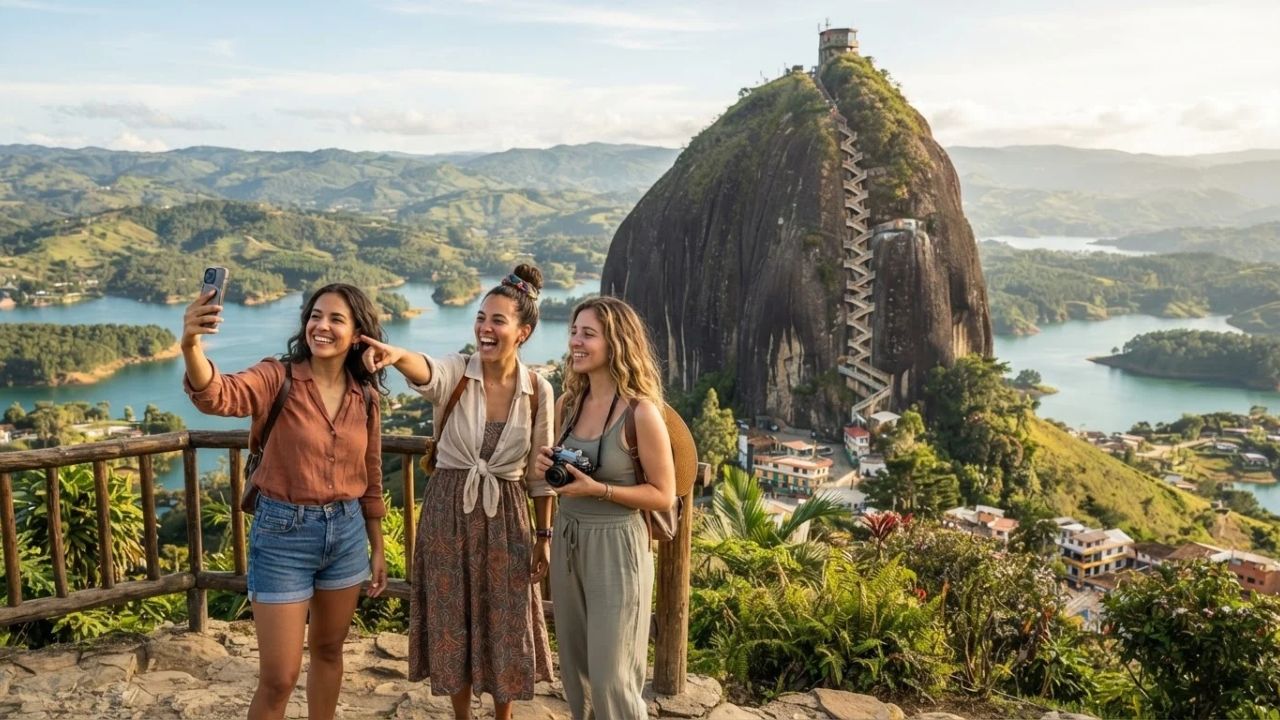
Image generated by AI
Colombia’s Piedra del Peñol rises approximately 220 meters above the Antioquia region, offering panoramic views across the 2,200-hectare Peñol-Guatapé reservoir. The adjacent lakeside village of Guatapé is drawing international visitors through its traditional architecture decorated with colorful, hand-carved panels known as zócalos.
Slow Travel and Cultural Heritage in Antioquia
A major trend in South American tourism is the growing demand for regional destinations that offer a mix of natural adventure, rural community life, and distinct architectural heritage. While urban hubs like Medellín attract substantial business and technology sectors, international travelers increasingly seek slow-travel options in the surrounding countryside.
This shift supports destinations that showcase geographic wonders alongside traditional local arts. Direct road connections from metropolitan areas make these locations popular for day trips, letting travelers experience regional history, local cuisine, and outdoor recreation outside major urban gateways.
The Monolith Viewpoint of Piedra del Peñol
The central landmark of the region is Piedra del Peñol, also referred to as El Peñón de Guatapé:
- Geological Monolith: The massive granite rock rises approximately 220 meters above the surrounding countryside.
- Staircase Climb: A staircase built directly into a fissure in the rock features hundreds of steps, allowing visitors to ascend to the summit.
- Reservoir Panorama: The top of the monolith features an observation platform overlooking the Peñol-Guatapé reservoir, which covers more than 2,200 hectares and features numerous islands surrounded by calm waters.
- Photography Opportunities: The summit provides a 360-degree view of the rolling green hills and flooded valleys of Antioquia.
Reaching the observation area requires physical effort, but the view across the flooded valley serves as one of the most recognizable tourism images in Colombia.
Guatapé Village: Traditional Architecture and Zócalos
Beyond the monolith, the village of Guatapé provides a cultural experience centered on local crafts and historical preservation:
- Colorful Streets: The town is decorated with vibrant colors, featuring painted houses, cobblestone streets, and traditional plazas.
- The Art of the Zócalo: Building facades are decorated with hand-painted plaster panels called zócalos. These relief designs illustrate local history, agricultural traditions, community occupations, and regional flora and fauna.
- Plaza de los Zócalos: The central plaza serves as a gathering point, featuring steps painted with local designs, independent coffee shops, and artisan craft markets.
- Waterfront Malecón: The lakeside boardwalk offers views of the reservoir, dining spots, and local boat docks.
Guatapé and Piedra del Peñol Travel Parameters
The table below breaks down the key geographic, adventure, and cultural parameters of the destination:
| Destination Element | Specification and Size | Primary Travel Experience | Logistics and Access |
|---|---|---|---|
| Piedra del Peñol | Approx. 220 meters high | High-altitude staircase climb | Monolith entrance ticket required |
| Guatapé Reservoir | More than 2,200 hectares | Boat tours and water activities | Public boat docks at the waterfront |
| Guatapé Village | Lakeside colonial-style town | Zócalos walking tours | ~2 hours by road from Medellín |
| Local Architecture | Hand-carved plaster zócalos | Photography and cultural study | Open-air public street access |
| Antioquia Region | Countryside geographic basin | Nature walks and local markets | Day-trip and overnight options |
These specifications outline the travel experience, helping visitors coordinate their schedules during their stay in Antioquia.
Regional Economics and Community-Led Conservation
For the traveler, the real impact of supporting regional destinations is the direct economic contribution to local communities. Staying in family-run guesthouses (fincas), hiring local guides, and purchasing handmade crafts from the zócalos market keeps tourism revenue within Antioquia, preventing leakage to multinational booking platforms.
Furthermore, managing visitor flows at the monolith is central to protecting the surrounding 2,200-hectare reservoir watershed. Local conservation bodies coordinate water quality monitoring and promote low-emission electric boat tours, helping preserve the delicate lake ecosystem. Supporting these initiatives helps maintain the natural environment that draws global travelers to the region.
For example, you can explore the changing dynamics of Emotional Tourism: Universal Studios Hollywood Tops happiest Holiday Index to see how traveler satisfaction is measured. For budget-conscious travelers, aligning slow city travel with municipal transit options mirrors similar regional initiatives, such as the Free Admission at Select US State Parks programs. This trend is similar to the tourism growth seen in other destinations, as detailed in our guide on how Utica, New York Emerges as an Affordable Northeast Tourism Hub.
Visitor Insider Tips: Traveling from Medellín
If you are planning a trip to Guatapé and Piedra del Peñol, keep these practical tips in mind:
- Arrive Early to Beat the Crowds: Tour buses from Medellín usually arrive mid-morning. Begin your climb at Piedra del Peñol before 9:00 a.m. to enjoy cooler temperatures and less crowded stairs.
- Wear Supportive Footwear: The climb to the top of the monolith requires ascending over 700 steps. Wear sturdy running or hiking shoes, and carry water for the climb.
- Carry Cash (Colombian Pesos): While some businesses in Guatapé accept cards, smaller craft stalls, street food vendors, and the monolith entrance ticket window often require cash in Colombian Pesos (COP).
- Take a Shared Boat Tour: Shared boat rides are available at the Guatapé boardwalk, providing an affordable way to explore the reservoir islands and see the ruins of historic lakeside estates.
- Try Regional Specialties: Sample traditional Paisa dishes, such as Trucha (fresh reservoir trout prepared with garlic or cheese) and Bandeja Paisa, at local lakeside restaurants.
Long-Term Outlook for Antioquia Regional Tourism
The long-term outlook for tourism in Guatapé is focused on the improvement of road infrastructure from Medellín and the implementation of sustainable wastewater management systems around the reservoir. As international visitor numbers rise, maintaining the town's traditional architecture and protecting the lake ecosystem will remain central to the region's development strategy.
By supporting local artisans and managing visitor capacity, Antioquia aims to preserve the distinct character that makes Guatapé a premier destination in Colombia.
FAQ
How high is Piedra del Peñol?
The monolith rises approximately 220 meters above the surrounding Antioquia countryside.
How do you reach the top of the rock?
Visitors can climb a concrete staircase built into a natural fissure in the rock, which features over 700 steps.
What are the zócalos of Guatapé?
Zócalos are hand-carved, painted plaster panels located on the lower part of building facades, illustrating local history and community stories.
How far is Guatapé from Medellín?
The town is located in the Antioquia department, approximately two hours by bus or private vehicle from the city of Medellín.
Stay updated on the regional attractions and cultural tourism developments shaping South American travel.
Related Travel Guides
Disclaimer
This article is for informational and educational purposes only. It does not constitute legal, financial, or professional advice. While we strive to provide accurate and up-to-date information, travel policies, regulations, and conditions change rapidly. Always verify information with official sources before making travel decisions. Nomad Lawyer makes no representations about the accuracy, reliability, completeness, or suitability of the information provided. Readers should consult qualified professionals for advice specific to their circumstances. The views expressed in this article are those of the author and do not necessarily reflect the views of Nomad Lawyer.
Raushan Kumar
Founder & Lead Developer
Full-stack developer with 11+ years of experience and a passionate traveller. Raushan built Nomad Lawyer from the ground up with a vision to create the best travel and law experience on the web.
Learn more about our team →