
CLEAR Biometric Security Time Savings at Major US Airports in 2026
Biometric identity verification through CLEAR and TSA Touchless ID delivers significant time savings at the busiest U.S. airport hubs during peak banks.

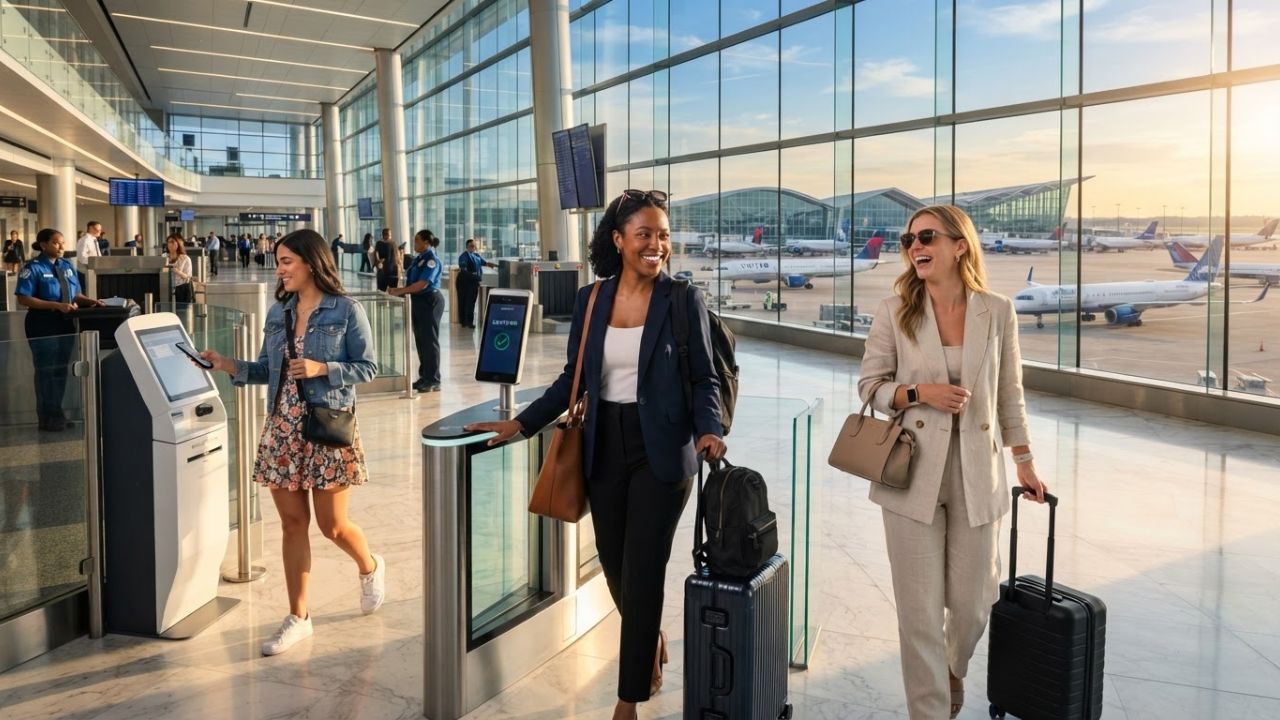
Image generated by AI
Biometric identity verification systems, including CLEAR and TSA Touchless ID, are delivering the greatest time savings at major airline hub checkpoints during peak morning departures.
Comparison of U.S. Airport Trusted Traveler Programs
| Program | Identity Verification Method | Physical Screening Experience | Operator Category | Primary Recommended Use |
|---|---|---|---|---|
| CLEAR+ | Biometric facial or fingerprint check | Standard or PreCheck physical scan | Private Registered Program | Busy airline hubs and peak hours |
| TSA PreCheck | Traditional manual document check | Expedited screening (shoes & belt on) | Federal Government (TSA) | Frequent domestic air travelers |
| CLEAR + PreCheck | Biometric check followed by fast lane | Fastest screening combination available | Joint Program integration | Peak departure banks at major hubs |
Why This Matters: Operational Breakdown for Hub Departures
Our analysis of airline hub scheduling indicates that biometric processing benefits are concentrated around specific operational windows:
- Departure Bank Spikes: Hub airports schedule coordinated "departure banks" where dozens of flights leave within a short time. This concentrates thousands of passengers at security lines, making biometric verification highly effective.
- Terminal Lane Variations: CLEAR lane availability and operating hours vary by terminal checkpoint, particularly at multi-terminal airports such as Los Angeles (LAX) and New York (JFK).
- Combination Efficiency: The fastest transit is achieved by combining CLEAR+ biometric check-in with TSA PreCheck physical screening, allowing travelers to bypass both the document queue and the standard baggage lane.
Passenger Advisory: Checkpoint Rules and Program Coordination
For travelers utilizing biometric verification systems, understanding checkpoint regulations and lane rules remains essential:
- TSA Security Compliance: Enrolling in biometric identity programs does not exempt travelers from federal security rules. Carry-on luggage remains subject to X-ray scanning, and passengers are subject to secondary screening if selected by TSA officers.
- Physical ID Access: Even when using biometric lanes, travelers must carry a valid physical government-issued identification document (such as a REAL ID driver's license or passport), as TSA officers may request manual verification.
- Touchless ID Integration: TSA's expanding Touchless ID initiative uses facial recognition to verify eligible PreCheck passengers at selected terminals, providing a contact-free alternative to private verification programs.
- Lanes Location Planning: Before departing, travelers should verify which airport checkpoints feature active CLEAR and TSA PreCheck lanes, as lane locations can change during terminal renovation projects.
Industry Outlook: Digital Clearances and Automated Terminals
Over the next few years, airports will continue to invest in automated eGates and digital identity verification platforms to manage rising travel demand. Biometric tools will integrate directly into passenger check-in applications, allowing airlines to track passenger flow from the curb to the departure gate. As federal agencies expand touchless screening systems, terminal operators will focus on reducing document queue bottlenecks to maintain traveler throughput at the nation's busiest gateways.
Related Travel Guides
- Southwest Airlines Secures Jones Act Waiver to Ship Twelve Point Six Million Gallons of Jet Fuel From Houston to Los Angeles
- Colorado Small Mountain Towns Capture Market Share From Primary Resorts as Year-Round Visitor Spending Hits Record Highs
- Croatia Enters Global Passport Index Top Tier and Overtakes United States Following Schengen and EU Integration
Disclaimer
This article is for informational and educational purposes only. It does not constitute legal, financial, or professional advice. While we strive to provide accurate and up-to-date information, travel policies, regulations, and conditions change rapidly. Always verify information with official sources before making travel decisions. Nomad Lawyer makes no representations about the accuracy, reliability, completeness, or suitability of the information provided. Readers should consult qualified professionals for advice specific to their circumstances. The views expressed in this article are those of the author and do not necessarily reflect the views of Nomad Lawyer.
Preeti Gunjan
Contributor & Community Manager
A passionate traveller and community builder. Preeti helps grow the Nomad Lawyer community, fostering engagement and bringing the reader experience to life.
Learn more about our team →