
Etihad Cargo Relocates Rescued Brown Bears from Russia to Ireland: 2026 Wildlife Logistics Guide
Etihad Cargo utilized its IATA CEIV Live Animals certification to transport two rescued brown bears from Moscow to Dublin via Abu Dhabi, completing a five-year international conservation effort.

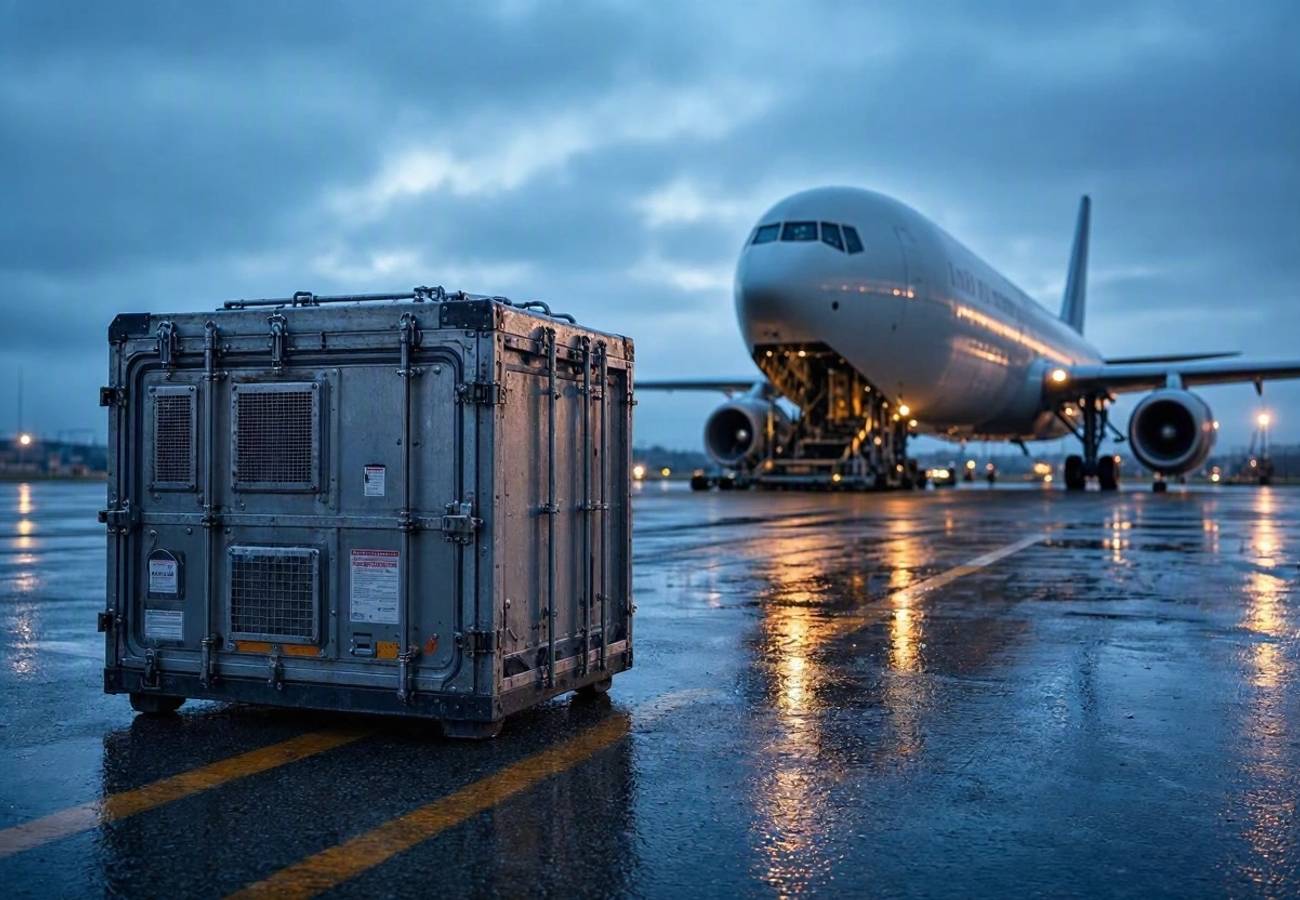
Image generated by AI
Are you coordinating the international transport of live animals or high-stakes wildlife rescues? Moving vulnerable species across borders requires more than just a cargo hold; it demands a synchronized network of certified handlers, specific airport permits, and strict adherence to global welfare standards.
The Moscow-Dublin Wildlife Relocation
In a complex operation concluding on 4 August 2026, two brown bears—named Bu and Tyapa—were successfully relocated from Russia to Ireland. This mission was the culmination of a five-year rescue campaign led by Killian McLaughlin, the Director of Wild Ireland. The bears had previously been kept in unsuitable conditions in Dagestan, Russia, where Bu served as a circus bear and Tyapa lived in a petting zoo.
The logistics of this move involved over 100 specialists across multiple nations. The primary transit was managed by Etihad Cargo, which utilized its hub in Abu Dhabi to bridge the gap between Moscow and Dublin. The bears arrived in Ireland on 4 August and were transitioned into their permanent forest habitat in County Donegal by September 2026.
Transit Route and Logistics Timeline
The relocation required a multi-leg journey with specialized ground handling at each stop to ensure the animals remained stable during the transition.
| Route Segment | Frequency | Primary Handler | Transit Hub | Status |
|---|---|---|---|---|
| Moscow $\rightarrow$ Abu Dhabi | Special Charter | Etihad Cargo | Zayed International Airport | Completed |
| Abu Dhabi $\rightarrow$ Dublin | Special Charter | Etihad Cargo | Dublin Airport | Completed |
| Dublin $\rightarrow$ Donegal | Ground Transport | Wild Ireland | Wild Ireland Sanctuary | Completed |
Traveler Logistics Guide: Live Animal Transit
While most readers are not transporting brown bears, the protocols used in this mission reflect the gold standard for any professional wildlife relocation or high-value animal transport. If you are organizing a similar transit, follow these logistical steps:
1. Verify Carrier Certification Do not book animal transport with a carrier that lacks specific certifications. In this operation, Etihad Cargo utilized its IATA CEIV Live Animals certification. This ensures the airline meets global standards for the handling, temperature control, and stress reduction of live cargo.
2. Coordinate Hub Handling The transit through Abu Dhabi was not a simple stopover. It required a partnership between Abu Dhabi Airports and Velora to provide specialist handling at Zayed International Airport. When planning routes, identify the "ground handler" at the transit hub, as the airline often outsources the physical movement of crates on the tarmac.
3. Manage Customs and Veterinary Permits Moving animals from Russia to the EU requires rigorous health certifications and CITES permits. Ensure all paperwork is synchronized with the Department of Agriculture, Food and the Marine (DAFM) in Ireland or the equivalent authority in the destination country to avoid quarantine delays.
4. Habitat Integration Period Logistics do not end at the airport. Bu and Tyapa arrived in August but did not enter their forest habitat until September. Always factor in a "stabilization window" where animals are kept in a controlled environment before being released into a permanent sanctuary.
Regional Connectivity Impact
This operation demonstrates the evolving role of Middle Eastern hubs as more than just passenger transit points. By leveraging the connectivity of Abu Dhabi, Etihad Cargo has positioned itself as a critical link for global conservation efforts. The ability to move specialized cargo from Eastern Europe to Western Europe via the UAE reduces the number of stops and minimizes the stress on the animals.
Furthermore, the collaboration between Moondance Productions and the rescue team—resulting in a documentary slated for 2027—highlights the growing trend of using media to fund and document the logistical hurdles of international wildlife rescue.
FAQ: Wildlife Transit 2026
Do I need a special permit to move animals into Ireland? Yes. You must secure import permits from the Irish government and provide veterinary health certificates proving the animal is free from contagious diseases.
What is IATA CEIV Live Animals certification? It is a global standard that certifies an airline's ability to handle live animals safely, focusing on training, infrastructure, and animal welfare protocols.
How long should the layover be for live animal transit? Layovers should be as short as possible. In this case, Etihad Cargo coordinated with airport partners to ensure the bears were moved efficiently through Abu Dhabi to minimize stress.
Can bags or supplies be checked through with animal cargo? Specialized animal transport usually involves dedicated cargo manifests. Support equipment (food, medical supplies) is typically shipped on the same aircraft but handled as separate cargo units.
Precision in logistics is the difference between a successful rescue and a transit disaster.
Related Travel Guides
Disclaimer
This article is for informational and educational purposes only. It does not constitute legal, financial, or professional advice. While we strive to provide accurate and up-to-date information, travel policies, regulations, and conditions change rapidly. Always verify information with official sources before making travel decisions. Nomad Lawyer makes no representations about the accuracy, reliability, completeness, or suitability of the information provided. Readers should consult qualified professionals for advice specific to their circumstances. The views expressed in this article are those of the author and do not necessarily reflect the views of Nomad Lawyer.
Kunal K Choudhary
Co-Founder & Contributor
A passionate traveller and tech enthusiast. Kunal contributes to the vision and growth of Nomad Lawyer, bringing fresh perspectives and driving the community forward.
Learn more about our team →