
Port Development: Churchill Arctic Expansion Sparks Ecotourism Debate
Churchill, Manitoba is at the center of an Arctic port expansion debate, balancing commercial trade proposals with polar bear and beluga safari tourism.

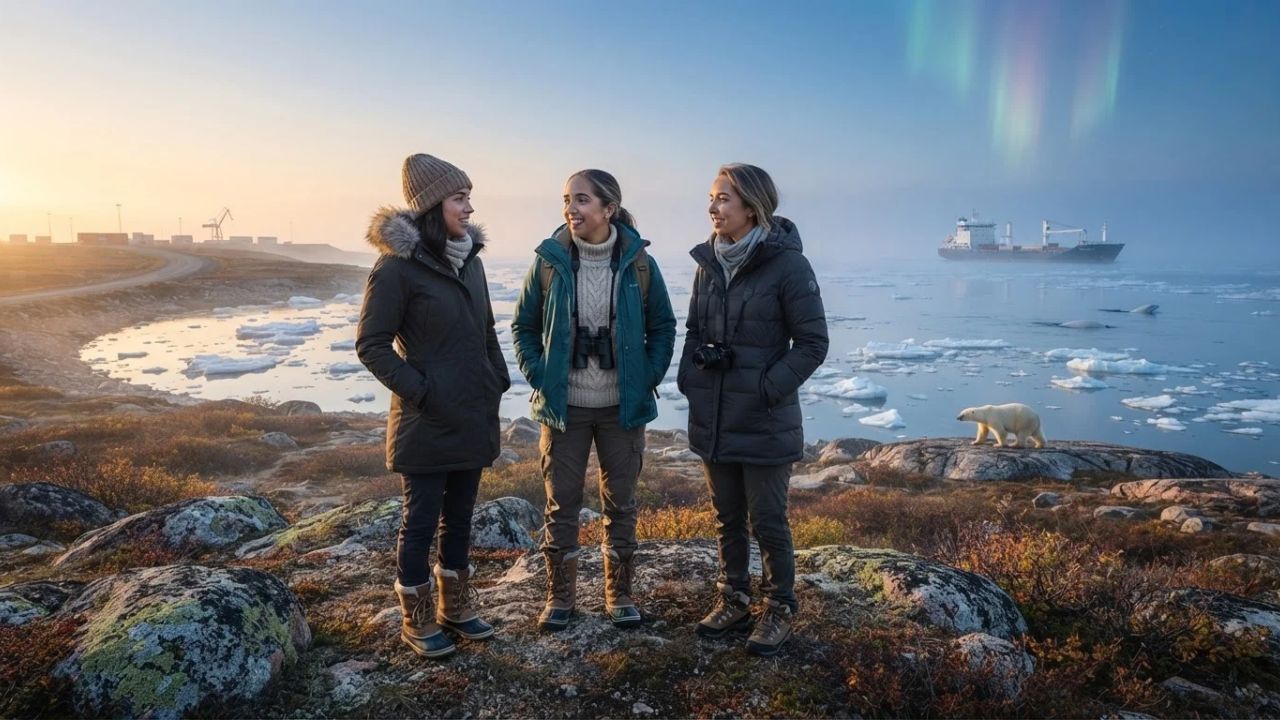
Image generated by AI
Churchill, Manitoba is at the center of an Arctic port expansion debate, balancing commercial trade proposals with polar bear and beluga safari tourism. The Government of Manitoba is reviewing studies on year-round shipping through Hudson Bay.
The Friction Between Subarctic Infrastructure and Ecotourism
A significant trend in high-latitude destination management is the friction between industrial port development and delicate wildlife tourism. Historically, subarctic towns relied on short seasonal shipping windows to transport grain or minerals, closing operations during freeze-up. In 2026, warming oceans, receding sea ice, and advanced icebreaking technology allow governments to propose year-round shipping corridors.
While industrial expansion promises stable municipal tax bases and permanent cargo-handling jobs, wildlife tour operators express concern that heavy shipping noise, underwater acoustics, and oil spill risks could disrupt migrating marine mammals. Protecting quiet estuaries is essential for sustaining the wilderness safaris that draw international travelers to the north.
Feasibility Studies and Year-Round Shipping Proposals
Research conducted by the University of Manitoba, Fednav Limited, and the Arctic Research Foundation outlines the commercial potential of Hudson Bay:
- Year-Round Operations: Technical studies confirm that commercial navigation through Hudson Bay is achievable today using modern ice-class freighters.
- The Shipping Window: Proposes extending shipping operations beyond the traditional four-month ice-free window.
- Target Commodities: Aims to position Churchill as a northern shipping hub for liquefied natural gas, critical minerals, and agricultural products.
- Support Teams: Coordinated under Wab Kinew's provincial cabinet, looking to connect Western Canada directly to European markets.
- Community Stance: Local businesses welcome the infrastructure investments, hoping to revitalize the economy after past rail outages and economic downturns.
These industrial plans are balanced against warnings from marine scientists regarding wildlife impacts.
Ecological Risks to Polar Bears and Beluga Whales
Scientists and local outfitters warn that year-round shipping could disrupt subarctic habitats:
- Beluga Whales: Over fifty-five thousand (55,000) beluga whales enter the Churchill River estuary during summer to feed and give birth, vulnerable to cargo ship traffic in the narrow channels.
- Polar Bears: Winter and spring icebreaking activities threaten seal birthing dens and disrupt the solid ice platforms polar bears use for hunting, according to researchers at the Department of Fisheries and Oceans (DFO).
- Spill Risks: Accidental fuel leaks in freezing, ice-filled waters are extremely difficult to clean up, posing a threat to fragile subarctic marine food chains.
These factors make environmental safeguards a key priority in development discussions.
Churchill Arctic Port Campaign Coordinates
The table below breaks down the development coordinates, including research partners, transit links, local wildlife counts, and primary regulatory departments coordinating the project:
| Regional Hub | Stated Feasibility Partner | Primary Local Wildlife | Local Transit Options | Recommended Booking Window | Primary Managing Agency |
|---|---|---|---|---|---|
| Churchill (Manitoba) | University of Manitoba & Fednav | 55,000 beluga whales & polar bears | 2.5-hour flight / 48-hour rail | 12 to 18 months in ahead | Government of Manitoba |
| Hudson Bay port | Arctic Research Foundation | Tundra seals & migrating birds | VIA Rail passenger service | Guided safari tours only | Parks Canada (parkscanada.gc.ca) |
These coordinates outline the hubs, partners, wildlife, transit options, booking windows, and agencies established for the subarctic corridor.
Resource Stewardship and Safe Wildlife Viewing
For the traveler, the benefit of choosing registered tundra vehicle excursions and guided kayak tours is the minimization of human footprints in fragile subarctic preserves. Booking lodge packages far in advance helps maintain small group sizes, preventing overcrowding in town.
Additionally, paying national park entry fees directly supports trail maintenance and wildlife monitoring in Wapusk National Park. Respecting polar bear safety guidelines prevents conflicts between humans and wildlife.
For comparison, you can explore the changing dynamics of Stimulus Launch: Taiwan Unveils Billion-Dollar Repeat Visitor Rewards to see how destinations promote visitor spend. For transit updates, comparing travel scheduling matches other networks, such as Food Tourism: Dolomites Krapfen Craze Sparks Overtourism Debate updates. This trend is similar to the tourism growth seen in other destinations, as detailed in our guide on how Utica, New York Emerges as an Affordable Northeast Tourism Hub.
Visitor Insider Tips: Traveling to Churchill
If you are planning a trip to Manitoba’s subarctic region, keep these practical tips in mind:
- Book Safaris 12 to 18 Months Early: Local lodge capacity is limited; secure your spot for polar bear viewing in autumn or beluga tours in summer well in ahead.
- Never Walk Unguided Outside Town Limits: Polar bears roam the tundra year-round; always hike with a licensed guide carrying proper safety gear.
- Fly Direct or Take the Train: Choose between a two-and-a-half-hour direct flight from Winnipeg or a scenic forty-eight-hour VIA Rail journey, as no public roads lead to the town.
- Visit the Itsanitaq Museum: Spend an afternoon browsing the museum's collection of historic Inuit stone carvings and artwork.
- Pack Heavy Windproof Thermals: Even summer days on Hudson Bay can be cold; bring high-quality layers, waterproof jackets, and polarized sunglasses.
Long-Term Outlook for Subarctic Transit
The long-term outlook for transit in northern Manitoba is focused on upgrading the Hudson Bay railway tracks, deploying low-impact electric tundra vehicles, and monitoring underwater noise pollution in the river estuary. As the debate over port expansion continues, provincial and federal agencies will cooperate to enforce strict environmental guidelines.
By protecting local wildlife and supporting community-managed tourism, the subarctic sector aims to build a sustainable destination network.
FAQ
Is there a road to Churchill, Manitoba?
No. Reaching the remote town requires a two-and-a-half-hour flight from Winnipeg or a forty-eight-hour passenger train journey aboard VIA Rail.
When is the polar bear migration season?
The peak polar bear viewing season occurs in autumn (October and November), when bears gather along the Hudson Bay coast waiting for the ice to freeze.
How many beluga whales visit the estuary?
Over fifty-five thousand beluga whales migrate into the warm river estuary during the summer months (July and August) to feed and give birth.
What is the proposed extension of the shipping window?
The province is researching extending shipping operations through Hudson Bay beyond the traditional four-month ice-free window to run year-round.
Stay updated on the regional travel regulations and environmental policies shaping Manitoba tourism.
Related Travel Guides
Disclaimer
This article is for informational and educational purposes only. It does not constitute legal, financial, or professional advice. While we strive to provide accurate and up-to-date information, travel policies, regulations, and conditions change rapidly. Always verify information with official sources before making travel decisions. Nomad Lawyer makes no representations about the accuracy, reliability, completeness, or suitability of the information provided. Readers should consult qualified professionals for advice specific to their circumstances. The views expressed in this article are those of the author and do not necessarily reflect the views of Nomad Lawyer.
Raushan Kumar
Founder & Lead Developer
Full-stack developer with 11+ years of experience and a passionate traveller. Raushan built Nomad Lawyer from the ground up with a vision to create the best travel and law experience on the web.
Learn more about our team →