
Philippines Implements Dual-Track Strategy to Stabilize Provincial Tourism Growth
The Philippines is combating seasonal tourism volatility in provincial regions using a dual-track framework of sports competitions and cultural festivals.

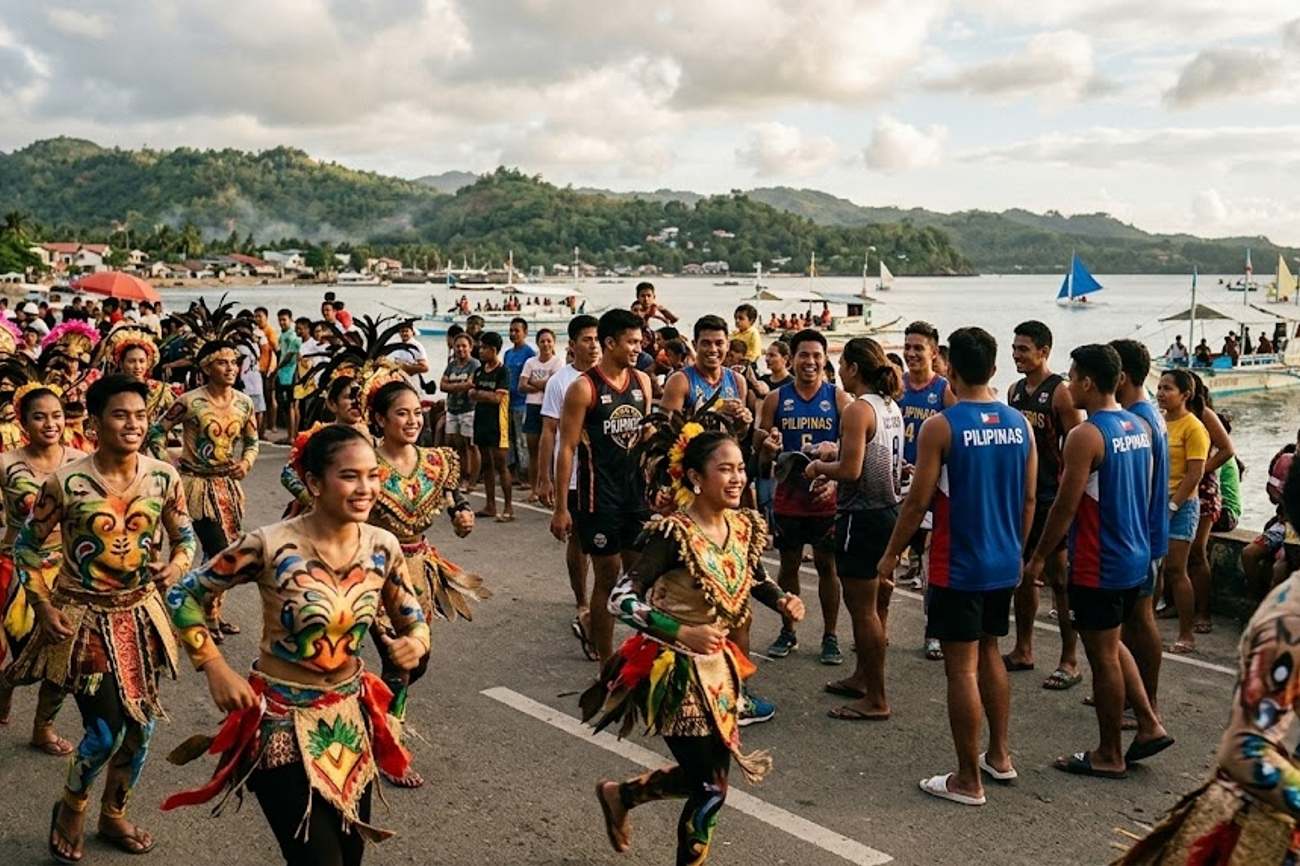
Image generated by AI
Solving the Volatility of Provincial Tourism
Secondary and tertiary provinces in emerging travel economies typically suffer from extreme demand volatility. Tourism flow is often tethered to narrow climatic windows, school calendars, and statutory holidays, leading to a precarious cycle of overcapacity during peaks and insolvency during off-peak months.
When demand surges, municipal services and local infrastructure face severe strain. Conversely, during shoulder seasons, hotel occupancy collapses, leaving tourism workers underemployed and micro, small, and medium enterprises (MSMEs) struggling to survive.
To neutralize these fluctuations, regional tourism boards have shifted away from bidding for cost-prohibitive "mega-events" like the FIFA World Cup or Asian Games. Instead, they are implementing a dual-track institutional model designed for sustainable, year-round resilience.
The Two-Pillar Framework for Destination Stability
The strategy splits municipal resources into two complementary streams: Track A (Sports) and Track B (Heritage). This approach ensures that the destination remains attractive and economically viable regardless of the season.
Track A: The Economic Stabilizer
Track A focuses on recurring domestic sports competitions, such as national scholastic championships, collegiate invitationals, and provincial athletic meets. These events act as a baseline economic floor for the region.
Because sports delegations—consisting of athletes, coaches, officials, and families—typically stay for seven to 14 days, they create a predictable surge in demand. This volume fills economy hotels and transient lodging during traditional off-peak windows, providing a safety net for the local hospitality sector.
Track B: The Yield Multiplier
Track B leverages consecrated heritage festivals, religious pilgrimages, and provincial cultural months. While these visitors generally stay for shorter durations than sports teams, their per-capita spending is significantly higher.
These high-yield travelers focus their expenditure on regional gastronomy, traditional handicrafts, and guided historical excursions. This track transforms cultural identity into a commercial asset, benefiting artisanal MSMEs and boutique heritage stays.
Infrastructure and Governance Impact
The dual-track model does more than fill hotel rooms; it triggers critical public investment. The requirements for sports meets lead to upgrades in civic stadiums, aquatic facilities, and road networks. Simultaneously, cultural festivals drive the restoration of colonial churches, shrines, and pedestrian plazas.
This creates a cycle of "Institutional Tourism Growth," where the ability to safely manage large crowds and complex logistics earns provinces national governance accolades and increased private sector confidence.
Strategic Comparison of Tourism Tracks
| Regional Tourism Strategy | Track A: Sports Tourism | Track B: Heritage Tourism |
|---|---|---|
| Core Activities | Grassroots meets, school games, youth tournaments | Provincial fiestas, sacred pilgrimages, cultural assets |
| Infrastructure Impact | Sports facilities, accommodation, transport upgrades | Heritage sites, cultural venues, visitor facilities |
| Demand Pattern | Counter-cyclical bookings driven by tournaments | Seasonal and cultural travel via festivals |
| Local Economic Impact | Hospitality, transport, food services | Artisanal MSME monetization, handicrafts, cultural services |
| Revenue Potential | High visitor spending during organized competitions | High per-capita yield via immersive experiences |
| Strategic Outcome | Diversified regional tourism demand | Stronger destination identity and cultural appeal |
| Combined Impact | Infrastructure Upgrades + Counter-Cyclical Bookings | Artisanal MSME Monetization + High Per-Capita Yield |
| Institutional Growth | Year-round accommodation demand | National governance accolades & destination recognition |
| Commercial Impact | Confidence for hotels and transport providers | Increased private investment and operator confidence |
| Overall Result | Institutional Tourism Growth | Institutional Tourism Growth |
Operational Synergy Analysis
| Analytical Dimension | Track A: Amateur Sports Meets | Track B: Cultural Festivals | Dual-Track Synergy |
|---|---|---|---|
| Primary Demographic | Student-athletes, coaches, youth delegations | Cultural pilgrims, diaspora, heritage enthusiasts | Balanced mass-volume and high-yield spenders |
| Accommodation | Billeting schools, economy hotels, dorms | Boutique hotels, heritage homestays | Full-spectrum room night capture |
| Avg. Length of Stay | 7 to 12 consecutive days | 3 to 5 concentrated days | Extended occupancy bridging off-peak gaps |
| Expenditure Dynamic | Collective spending on transport and catering | Discretionary spending on dining and crafts | Broad distribution from transport to artisans |
| Infrastructure Trigger | Stadiums, aquatic centers, road links | Historic centers, shrines, pedestrian plazas | Multi-use assets for year-round recreation |
| Governance Metric | Crowd safety, health protocols, transport plans | Preservation of culture, sustainable staging | Validated municipal management capability |
Key Takeaways
- Volatility Reduction: The dual-track model replaces "boom-and-bust" cycles with steady, year-round demand.
- Diversified Revenue: Sports tourism provides high-volume stability, while heritage tourism provides high-margin yields.
- Infrastructure Gain: Public funding is unlocked for both athletic facilities and historical preservation.
- MSME Support: Local artisans and small transport providers gain consistent income streams regardless of the season.
FAQ
What is the primary difference between Track A and Track B tourism? Track A focuses on high-volume, longer-stay delegations (athletes/officials) to stabilize occupancy, while Track B focuses on high-spending, shorter-stay visitors (pilgrims/tourists) to increase per-capita revenue.
Why avoid "mega-events" like the World Cup in this model? Provincial planners avoid mega-events because they are often cost-prohibitive and hyper-competitive. The dual-track model uses sustainable, recurring domestic events that are more affordable and manageable for local budgets.
How does this benefit local businesses? It ensures that hotels, restaurants, and transport providers have a consistent flow of customers throughout the year, reducing the risk of insolvency during the off-season.
Related Travel Guides
Disclaimer
This article is for informational and educational purposes only. It does not constitute legal, financial, or professional advice. While we strive to provide accurate and up-to-date information, travel policies, regulations, and conditions change rapidly. Always verify information with official sources before making travel decisions. Nomad Lawyer makes no representations about the accuracy, reliability, completeness, or suitability of the information provided. Readers should consult qualified professionals for advice specific to their circumstances. The views expressed in this article are those of the author and do not necessarily reflect the views of Nomad Lawyer.
Naina Thakur
Contributor & Travel Specialist
Travel enthusiast and legal writer covering visa regulations, responsible tourism, and cultural journeys across global destinations.
Learn more about our team →