China Tech Tourism 2026: How to Access New AI and Robotics Routes in Hangzhou and Shenzhen

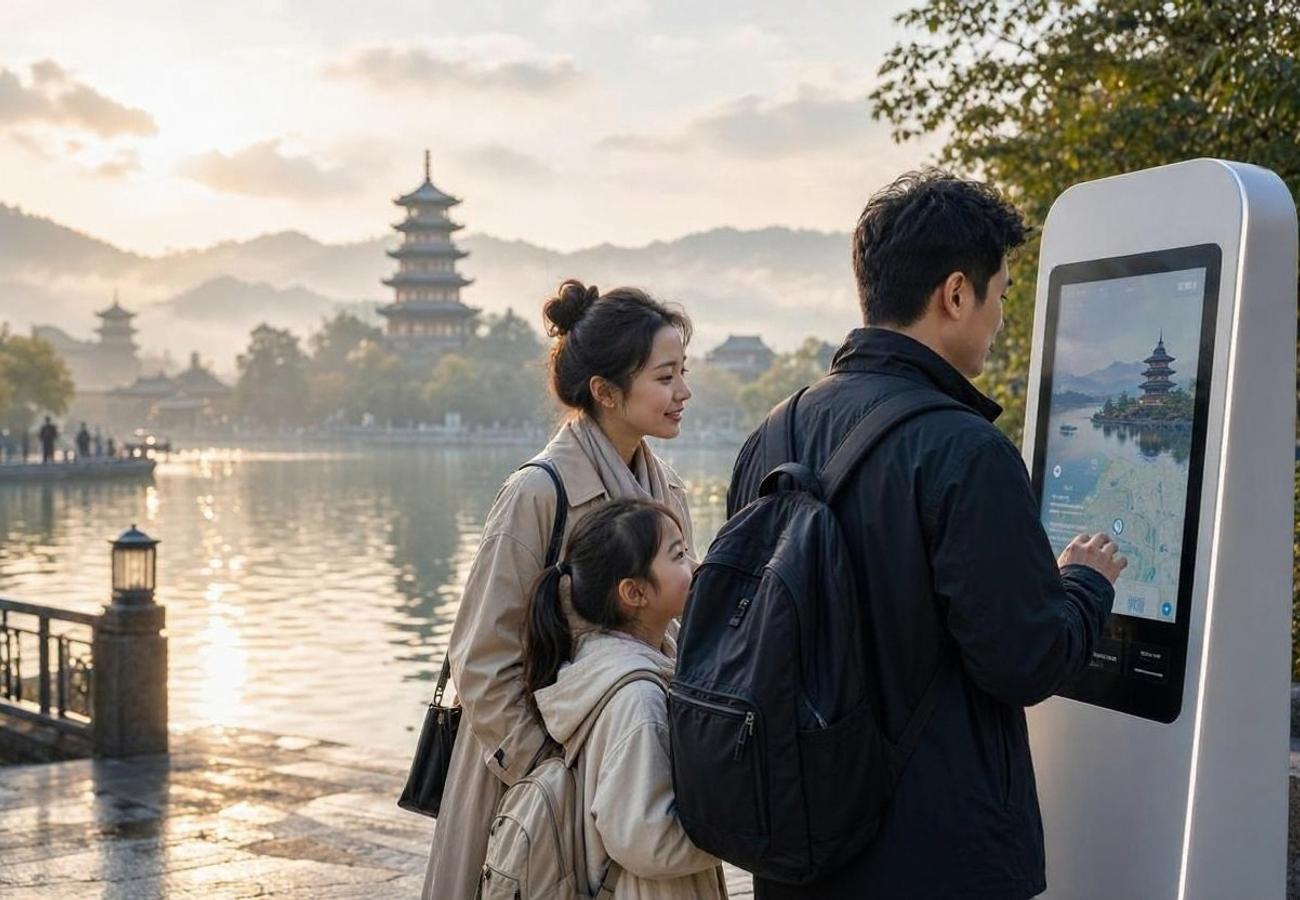
Image generated by AI
Planning a family trip to China's innovation hubs? Starting in late 2026, Hangzhou and Shenzhen have shifted from purely industrial centers to accessible tech tourism destinations, blending robotics and AI with traditional sightseeing.
The Rise of Tech Tourism in Hangzhou and Shenzhen
China has officially integrated its high-tech sector into the leisure travel market. On 30 July 2026, Hangzhou launched a dedicated program featuring 20 technology attractions and 20 themed study routes. These itineraries are designed to bridge the gap between historic landmarks—such as the Grand Canal, West Lake, and the Liangzhu archaeological site—and cutting-edge research facilities.
While Hangzhou focuses on structured "study routes" for families and students, other hubs offer different models. Shenzhen focuses on the integration of everyday tech, promoting driverless taxis, drone delivery demonstrations, and robot experience shops. Conversely, Shanghai's recent initiatives have been more corporate-centric; for instance, the 25 investment exploration routes launched in March 2026 were primarily for overseas businesses and had a registration deadline of 12 March 2026, meaning they are not generally available for casual tourists.
Route and Schedule Details
The following table breaks down the current availability and nature of technology-focused tourism across the primary hubs.
| Route/Destination | Focus Area | Key Attractions | Access Status | Primary Target |
|---|---|---|---|---|
| Hangzhou Tech Routes | AI & Robotics | 20 Attractions / 20 Study Routes | Open (since July 30, 2026) | Families & Students |
| Shenzhen Experience | Urban Tech | Driverless Taxis, Drone Facilities | Open (Location dependent) | General Visitors |
| Shanghai Investment | Business Tech | AI Skin Analysis, Robotics Stores | Closed (Deadline March 12, 2026) | Overseas Investors |
| Hangzhou AI Pilot | Digital Services | Multilingual AI Planning Facility | Open (since Sept 28, 2026) | All Inbound Travelers |
Traveler Logistics Guide
Navigating these high-tech sites requires more preparation than a standard museum visit, as many are located within active research campuses or corporate headquarters.
1. Booking and Reservations Do not expect to walk into these facilities. Several Hangzhou venues are reservation-only. Specifically:
- Certain technology sites require a minimum of 15 days' advance notice.
- One major campus accepts group bookings only.
- The materials museum is restricted to Saturday visits via reservation. Always verify the specific entry requirements via the Hangzhou Municipal Government or your tour operator before arriving.
2. Entry and Visa Logistics Many visitors are utilizing the transit visa-free scheme. As of August 20, 2026, this covers 57 nationalities across 65 designated ports.
- Stay Limit: You can stay for up to 240 hours within permitted areas across 24 provincial-level regions.
- Requirements: You must hold an ordinary passport and have a confirmed ticket to a third country or region.
- Warning: Participating in a "study tour" does not change your immigration status. If you are performing formal research or news reporting, you must apply for the appropriate visa through the China National Immigration Administration.
3. Digital Tools and Payments To ease the transition, Hangzhou opened a national AI pilot facility on 28 September 2026. This system integrates translation, navigation, and itinerary planning. Additionally, new policies implemented on 8 September 2026 have expanded the acceptance of overseas bank cards and improved multilingual guide training to reduce reliance on local payment apps.
Regional Connectivity Impact
The shift toward tech tourism is part of a broader strategic goal to increase inbound high-value travel. Between January and June 2026, China saw 22.91 million foreign entries (a 20.4% increase year-over-year), with visa-free entries accounting for 77.7% of that total. From July to September, entries reached 11.60 million, up 15.6%.
By 2028, the government aims to attract 1.9 million inbound overnight visits and generate US$1.85 billion in foreign-exchange earnings. To achieve this, a joint promotion effort is linking Hangzhou, Shanghai, and Hefei to create a regional "tech corridor." This includes subsidies of up to one million yuan for qualifying technology projects that enhance the visitor experience.
FAQ: China Tech Tourism 2026
Do I need a special visa for "Study Routes"? No. The themed study routes are tourism products. As long as you are visiting as a tourist, standard tourist visas or eligible transit-visa-free entries apply. Formal study or work requires a specific visa.
Can I visit the AI facilities spontaneously? Generally, no. Many sites in Hangzhou require 15 days' notice or are limited to specific days (e.g., Saturdays). Check the official visitor platform before planning your day.
Are international credit cards accepted at these sites? Yes, recent policy updates from September 2026 have specifically targeted the expansion of overseas bank card acceptance to support the increase in international arrivals.
What is the 240-hour transit rule? It allows eligible citizens of 57 nationalities to enter specific regions of China without a visa for up to 10 days, provided they are transiting to a third country.
Verify your passport eligibility before booking your drone tour.
Related Travel Guides
This article is for informational purposes. Flight routes, passenger regulations, visa rules, and transit advisories are subject to change by airlines and aviation authorities. Readers are advised to verify schedules and travel documentation with relevant carriers and border agencies before departure.
Related Stories
AI Travel Planning Japan 2026: Navigating Digital Itineraries and JR Pass Price Hikes
Singapore Blocks Vehicle Entry Permits for Unpaid Fines as ASEAN Digital Road Rules Diverge in 2026