
Fighter Jets Speed Revolution: Why F-35 Stealth Beats Raw Velocity
Modern fighter jets prioritize stealth technology over raw speed in 2026. The F-35 represents a fundamental shift from Cold War design philosophy, marking the end of speed-obsessed military aviation.

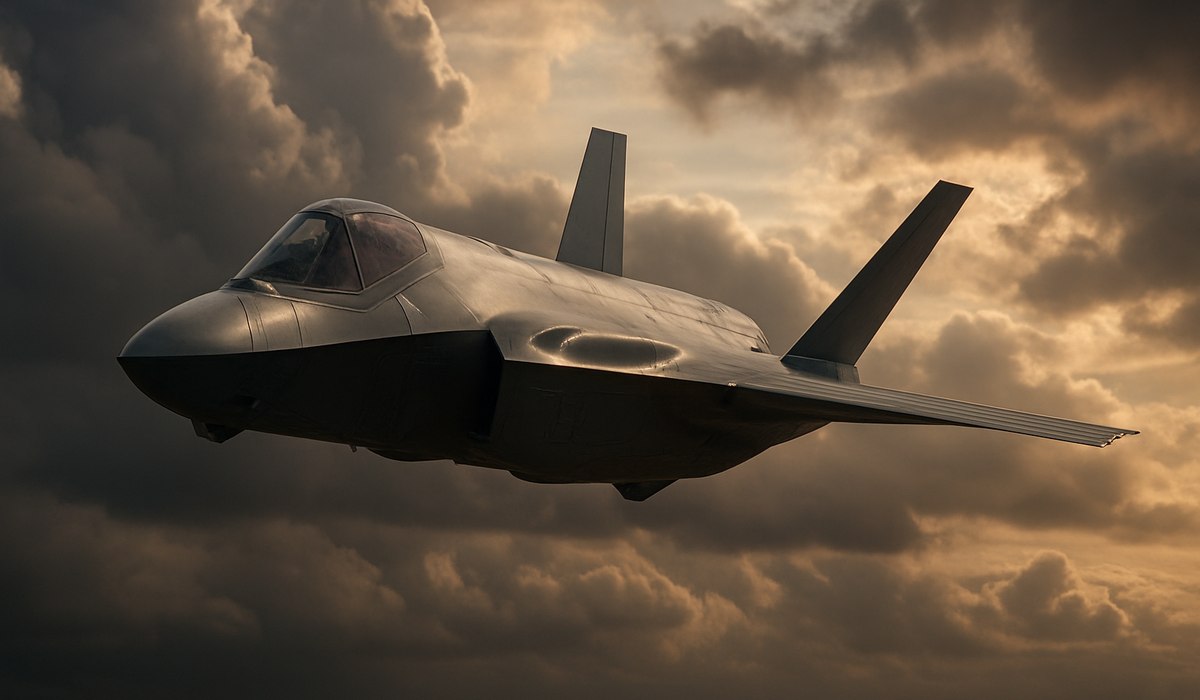
Image generated by AI
Modern Fighter Jets Abandon Speed-First Design Philosophy
The F-35 fighter jet and its contemporaries have fundamentally abandoned the speed-obsessed design philosophy that dominated military aviation from World War I through the early Cold War era. What was once considered the ultimate measure of aircraft superiority—raw velocity—has become secondary to stealth capabilities and tactical versatility. This paradigm shift, initiated during the Vietnam War, represents one of the most significant transformations in aerospace engineering philosophy since the invention of powered flight.
For seven decades, military strategists believed that faster aircraft automatically meant superior fighters. Designers chased speed records, with nations competing to build jets that could exceed Mach 2 or higher. Today's fighter jets speed priorities tell a completely different story about how modern warfare actually unfolds.
The Evolution of Fighter Jet Performance Metrics
The transition from speed-centric design began in earnest during the Vietnam War, when American pilots discovered that traditional dogfighting tactics no longer guaranteed victory. Supersonic capability alone could not overcome missiles, radar technology, and coordinated defensive systems. Military strategists realized that being detected meant being defeated.
F-35 aircraft and other fifth-generation fighters now emphasize sensor fusion, electronic warfare capabilities, and above all, radar signature reduction. Modern fighter jets speed specifications are respectable—the F-35 achieves Mach 1.6 supersonic flight—but they pale against 1960s-era F-104 Starfighters that could exceed Mach 2.
Designers now accept modest speed reductions in exchange for weapons-bay integration, reduced radar cross-section, and enhanced maneuverability at subsonic speeds. This represents a conscious engineering choice to optimize for real combat scenarios rather than theoretical performance metrics.
How Stealth Changed Military Aviation Forever
Stealth technology fundamentally altered what "superiority" means in modern combat scenarios. When an aircraft cannot be reliably detected, its maximum speed becomes almost irrelevant. An undetected F-35 flying at Mach 1.3 proves far more effective than a supersonic but easily-tracked predecessor flying at Mach 2.2.
The integration of stealth technology into fighter design created cascading changes throughout aircraft architecture. Internal weapons bays replaced external hardpoints. Angular fuselages replaced curved designs. Materials science advanced to accommodate radar-absorbing coatings and composite structures. Every design decision prioritized invisibility to detection systems over pure speed.
Modern air forces have largely abandoned intercept-based tactics in favor of first-strike scenarios where detection avoidance determines mission success. This evolution means fighter jets speed specifications now represent just one performance metric among dozens.
The psychological impact should not be underestimated either. Pilots flying stealth aircraft operate with confidence that they control engagement timing. Speed becomes a tool for mission flexibility rather than the primary defensive asset.
Modern F-35 Design Priorities Over Raw Speed
The F-35 embodies this new philosophy perfectly. With maximum velocity around Mach 1.6, it ranks behind numerous fighters when ranked solely by top speed. Yet its operational capabilities exceed nearly every contemporary aircraft because of integrated design priorities that emphasize sensor fusion, electronic warfare, and survivability.
Fighter jets speed matters to the F-35, but only within a specific operational context. The aircraft achieves supercruise capability—supersonic flight without afterburner use—at Mach 1.2. This efficiency means longer patrol endurance, reduced fuel consumption, and extended operational range. For actual combat scenarios, these practical advantages outweigh marginally higher maximum velocities.
The F-35 incorporates more than 8 million lines of software code that processes sensor data from multiple sources simultaneously. This processing capability creates tactical advantages that raw speed cannot replicate. Pilots receive fused information from radar, infrared sensors, electronic warfare receivers, and networked data feeds—all integrated into a single operational picture.
Stealth-first design also influences the F-35's three variants (conventional takeoff, carrier landing, and vertical takeoff), each optimized for specific operational environments. Speed optimization across such diverse requirements would have created engineering compromises that stealth-integrated design avoided.
What This Means for Future Aerospace Development
The transition away from maximum fighter jets speed as the primary performance metric signals lasting changes in military and civilian aerospace development. Aircraft manufacturers now invest heavily in sensor systems, materials science, and artificial intelligence integration rather than pure propulsion advancement.
This shift has interesting implications for commercial aviation as well. Airlines increasingly prioritize fuel efficiency, maintenance cost reduction, and operational reliability over raw speed. Modern commercial transports like the Boeing 787 and Airbus A350 cruise at similar speeds to 1980s-era aircraft, yet they consume significantly less fuel and require less maintenance.
The convergence of military and civilian aviation philosophy suggests future aircraft—whether military or commercial—will continue optimizing for sustainability, sensor integration, and operational efficiency rather than speed records.
Future sixth-generation fighter development appears to embrace this trend even further, with concepts emphasizing unmanned teaming, directed energy weapons, and advanced sensor networks. Fighter jets speed will remain relevant, but as a supporting performance characteristic rather than the defining metric.
Key Performance Metrics: Fighter Jet Evolution
| Metric | F-104 Starfighter (1960s) | F-15 Eagle (1970s) | F-22 Raptor (2000s) | F-35 Lightning II (2020s) |
|---|---|---|---|---|
| Maximum Speed | Mach 2.2 | Mach 2.5 | Mach 2.42 | Mach 1.6 |
| Radar Cross-Section | Large | Large | Reduced | Minimal |
| Stealth Priority | None | None | High | Primary |
| Sensor Fusion | None | Limited | Advanced | Highly Advanced |
| Internal Weapons | No | No | Yes | Yes |
| Combat Philosophy | Speed-based intercept | Mixed approach | Sensor-dominant | Detection-avoidant |
What This Means for Travelers
While fighter jet design philosophy might seem distant from commercial aviation, these developments actually influence the airports and air routes you use daily.
-
Modern aircraft emphasize efficiency: Airlines now select aircraft based on fuel economy and maintenance costs. This reduces ticket prices on popular routes and improves service reliability for business travelers.
-
Airport infrastructure evolves slowly: Military aviation developments influence civilian airport design over decades. Next-generation airports incorporate lessons from advanced aircraft systems integration.
-
Crew training reflects changing priorities: Pilots increasingly receive training emphasizing systems management and sensor interpretation over raw stick-and-rudder flying skills.
-
Fleet modernization accelerates: Airlines worldwide upgrade to newer aircraft offering better efficiency and sensors, improving passenger experience through reduced delays and improved navigation systems.
-
Route planning improvements emerge: Advanced sensor systems and air traffic management integration reduce flight times and improve safety margins without requiring faster aircraft.
For frequent travelers, these trends suggest more reliable service, slightly lower ticket prices on competitive routes, and improved safety systems. Aircraft like the Boeing 787 and Airbus A350 are already delivering these benefits to long-haul routes worldwide.
Frequently Asked Questions
Why did fighter jets stop prioritizing maximum speed?
Vietnam War combat statistics revealed that aircraft detection determined survival more than speed capabilities. Modern air-to-air missiles can intercept faster aircraft if they are detected first. Stealth technology—remaining undetected—became more valuable than raw velocity.
How fast is the F-35 compared to older fighters?
The F-35 achieves Mach 1.6 maximum speed, significantly slower than 1960s-era F-104 Starfighters (Mach 2.2) or 1970s F-15 Eagles (Mach 2.5). However,
Disclaimer
This article is for informational and educational purposes only. It does not constitute legal, financial, or professional advice. While we strive to provide accurate and up-to-date information, travel policies, regulations, and conditions change rapidly. Always verify information with official sources before making travel decisions. Nomad Lawyer makes no representations about the accuracy, reliability, completeness, or suitability of the information provided. Readers should consult qualified professionals for advice specific to their circumstances. The views expressed in this article are those of the author and do not necessarily reflect the views of Nomad Lawyer.
Preeti Gunjan
Contributor & Community Manager
A passionate traveller and community builder. Preeti helps grow the Nomad Lawyer community, fostering engagement and bringing the reader experience to life.
Learn more about our team →