
China, Japan, and Nepal Lead Asia's 2026 Coolcation Trend as Travelers Shun Summer Heat
Asia is witnessing a dramatic shift in summer 2026 travel patterns as China, Japan, and Nepal promote 'coolcations'—mountain escapes and highland retreats designed to combat rising regional temperatures.

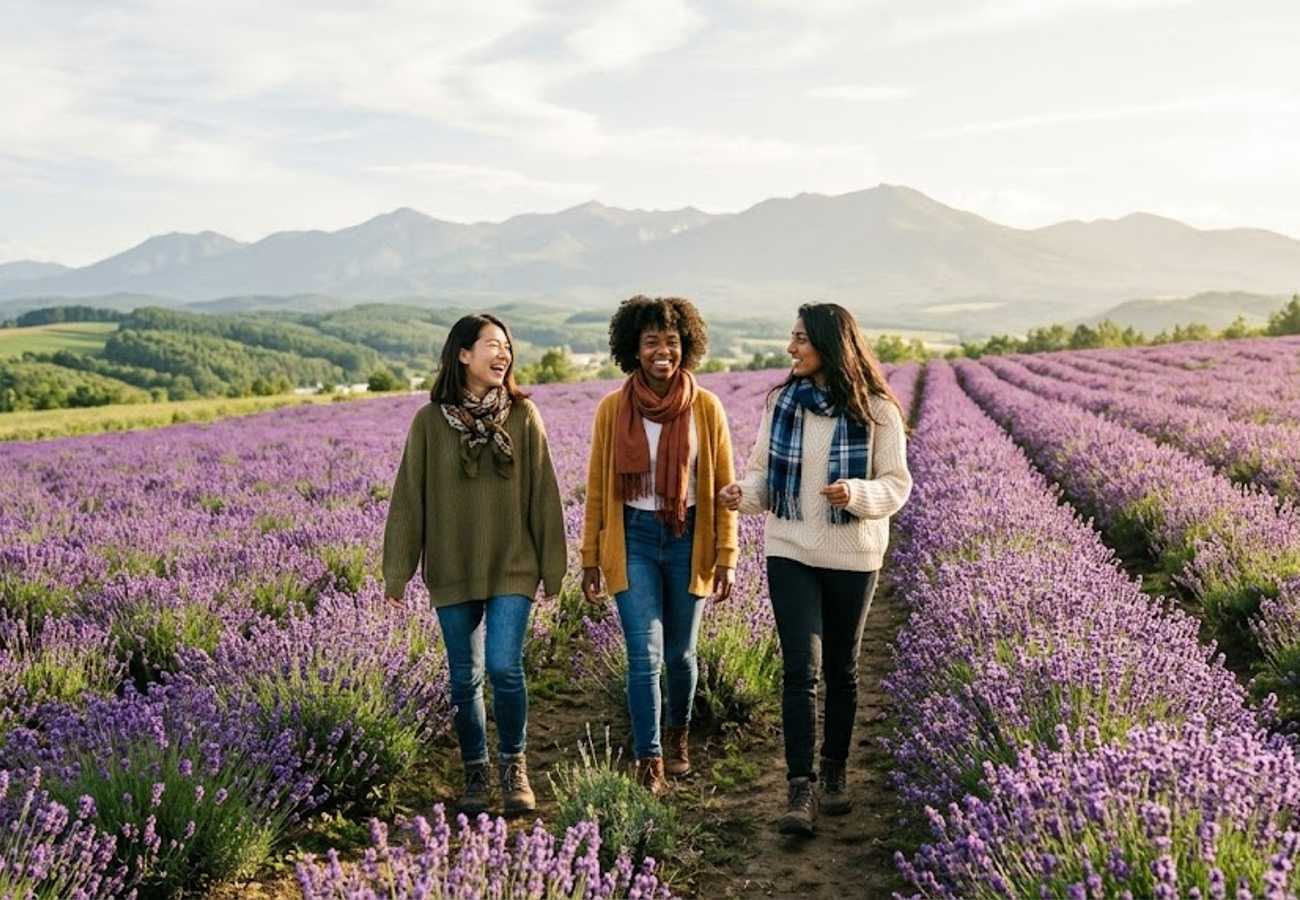
Image generated by AI
[Beijing, July 24] — A massive shift in traveler behavior is reshaping the Asian tourism landscape for the summer 2026 season, as millions of vacationers abandon traditional sun-soaked beaches for "coolcations." Led by aggressive promotional campaigns in China, Japan, and Nepal, this movement toward high-altitude retreats and temperate climates is transforming rural economies and challenging the traditional seasonality of regional travel.
The trend is no longer a mere reaction to sporadic heatwaves but has evolved into a systemic movement driven by climate awareness and a growing preference for wellness-centric, low-temperature environments. Governments across the continent are now pivoting their infrastructure investments toward mountain resorts and highland havens to capture this surging demand.
China Accelerates National Summer Consumption via High-Altitude Tourism
China has taken a centralized approach to the coolcation phenomenon, launching the National Summer Culture and Tourism Consumption Season on July 8. This state-backed initiative specifically targets "cooler-weather destinations" and night-time consumption to mitigate the impact of extreme lowland heat.
According to industry reports, provincial authorities and meteorological agencies have collaborated to push more than 30,000 cultural and tourism events between early July and the end of August. This massive scale-up is supported by over RMB 450 million in subsidies.
The impact is evident in flight data; Trip.com reported a 44% year-on-year surge in global flight-search interest for Kunming for the summer 2026 window. Travelers are primarily flocking to the following regions:
- Kunming and Lijiang
- Shangri-La and Qinghai
- Inner Mongolia and Guizhou
- Sichuan's mountain corridors
While these regions offer mild plateau weather and minority cultural experiences, industry observers warn that China's climatic diversity means travelers must specifically target northern or high-altitude zones to avoid the oppressive heat remaining in major lowland cities.
Nepal and Japan Capitalize on Regional Heat Escapes
In Nepal, tourism boards have strategically repositioned the country as an affordable, short-haul refuge for Indian travelers fleeing severe northern Indian temperatures. This tactical shift has led to a significant spike in cross-border movement, with reports indicating more than 2,000 Indian vehicles entering through six border points daily during peak surges.
The economic ripple effect in Nepal has been substantial. Five-star hotel occupancy in Pokhara rose by approximately 20–25 percentage points, with overall city occupancy nearing 90%. To sustain this, operators launched the Pokhara-Nepal Promotion Campaign 2026 in Kolkata. However, the "coolcation" experience in Nepal is tempered by the June–September monsoon, which brings risks of landslides and road disruptions.
Meanwhile, Japan's growth in cool-themed travel is concentrated in the north. Sapporo and Hokkaido have emerged as the primary alternatives to the humid, overcrowded corridors of Tokyo and Osaka. Data shows Sapporo is now among the ten most-booked international cities for South Korean travelers, exhibiting triple-digit year-on-year growth. With typical summer temperatures ranging between 15°C and 25°C, the region is attracting visitors to its lavender fields and mountain trails.
Comparative Analysis of Asia's 2026 Cool-Themed Tourism Drivers
The following data outlines how different Asian nations are leveraging their geography to attract "coolcationers" in 2026.
| Country | Strategy & Boost Mechanism | Principal Destinations | Evidence of Demand | Primary Value Proposition | Key Limitations |
|---|---|---|---|---|---|
| China | National Consumption Season (July 8) | Kunming, Lijiang, Shangri-La, Qinghai, Inner Mongolia | 30k+ events; RMB 450M subsidies; 44% rise in Kunming searches | Plateau weather, grasslands, minority culture | Lowland cities remain extremely hot |
| Nepal | Heat-escape promotions for Indian market | Pokhara, Kathmandu Valley, Tansen, Bandipur | 2,000+ vehicles/day at borders; Pokhara occupancy near 90% | Mountain views, spiritual tourism, affordability | Monsoon rains and landslide risks |
| Japan | Demand-led shift toward Hokkaido | Sapporo, Furano, Biei, Niseko | Triple-digit growth in South Korean bookings | 15°C–25°C temps, lavender fields, low humidity | Peak season crowding and high prices |
| India | Domestic advance booking for hill stations | Shimla, Manali, Munnar, Coorg, Kashmir | 10x increase in some monsoon hotel bookings | Tea estates, colonial hill towns, waterfalls | Overtourism and monsoon road closures |
| Mongolia | Niche appeal of open landscapes | Ulaanbaatar, Terelj National Park, Khövsgöl Lake | Top 10 most-booked for South Koreans; triple-digit growth | Nomadic culture, stargazing, 15°C–25°C range | Basic infrastructure outside the capital |
| Malaysia | Visit Malaysia 2026 highland packaging | Cameron Highlands, Genting Highlands, Kundasang | Cameron Highlands promoted at 15°C–25°C; July Ultra event | Tea plantations, mossy forests, wellness | Weekend congestion and slope instability |
| Thailand | "Blooming and Bright" rainy season rebrand | Chiang Mai, Doi Inthanon, Khao Yai | European office promotions for "green season" | Rain-cooled mountains, lower costs, fewer crowds | High humidity and heavy downpours |
| Kazakhstan | Infrastructure-led airport and resort upgrades | Burabay and mountain lake regions | Extensive summer-tourism package and safety upgrades | Mountain/lake alternatives to arid lowlands | Developing visitor safety frameworks |
Regional Impact and Logistics
The shift toward cool-themed travel is creating a dual-edged sword for regional infrastructure. In India, the rush to hill stations like Shimla and Manali has led to severe congestion and inflated hotel pricing, often diminishing the "relaxing" nature of the escape. Similarly, Malaysia's Cameron Highlands faces weekend gridlock and environmental pressure from intensive agricultural and tourism development.
In Mongolia, the surge in South Korean interest has highlighted a gap in infrastructure. While Ulaanbaatar serves as an efficient gateway, the journey to the central steppe or Khövsgöl Lake involves long distances on unpaved roads, requiring travelers to employ more rigorous planning than they would for a city break.
Thailand has taken a more psychological approach, reframing the rainy season as the "Green Season." Rather than promising cold temperatures, the Tourism Authority of Thailand is marketing the "refreshing" nature of rain-cooled forests and replenished waterfalls to attract European travelers during the traditional off-peak months.
Why This Matters: The Shift in Traveler Psychology
For the modern traveler, the rise of the "coolcation" represents a fundamental departure from the "sun, sea, and sand" mantra of the 20th century. This is no longer just about avoiding a heatwave; it is a strategic move toward "climate-smart" travel.
From a logistical standpoint, this creates a massive opportunity for secondary cities and rural mountain communities to diversify their income. However, it also introduces a "climate migration" of tourists that can lead to overtourism in fragile alpine ecosystems. For the user, this means that booking windows for high-altitude destinations are shifting earlier in the year, and the "off-season" is effectively disappearing. To secure a spot in a 15°C haven like Sapporo or Kunming, travelers are now booking months in advance, mirroring the urgency previously reserved for peak winter ski resorts.
The era of the tropical summer holiday is yielding to the age of the high-altitude retreat.
Related Travel Guides
Disclaimer
This article is for informational and educational purposes only. It does not constitute legal, financial, or professional advice. While we strive to provide accurate and up-to-date information, travel policies, regulations, and conditions change rapidly. Always verify information with official sources before making travel decisions. Nomad Lawyer makes no representations about the accuracy, reliability, completeness, or suitability of the information provided. Readers should consult qualified professionals for advice specific to their circumstances. The views expressed in this article are those of the author and do not necessarily reflect the views of Nomad Lawyer.
Kunal K Choudhary
Co-Founder & Contributor
A passionate traveller and tech enthusiast. Kunal contributes to the vision and growth of Nomad Lawyer, bringing fresh perspectives and driving the community forward.
Learn more about our team →