China Border Crossings Reach Record 369 Million in H1 2026


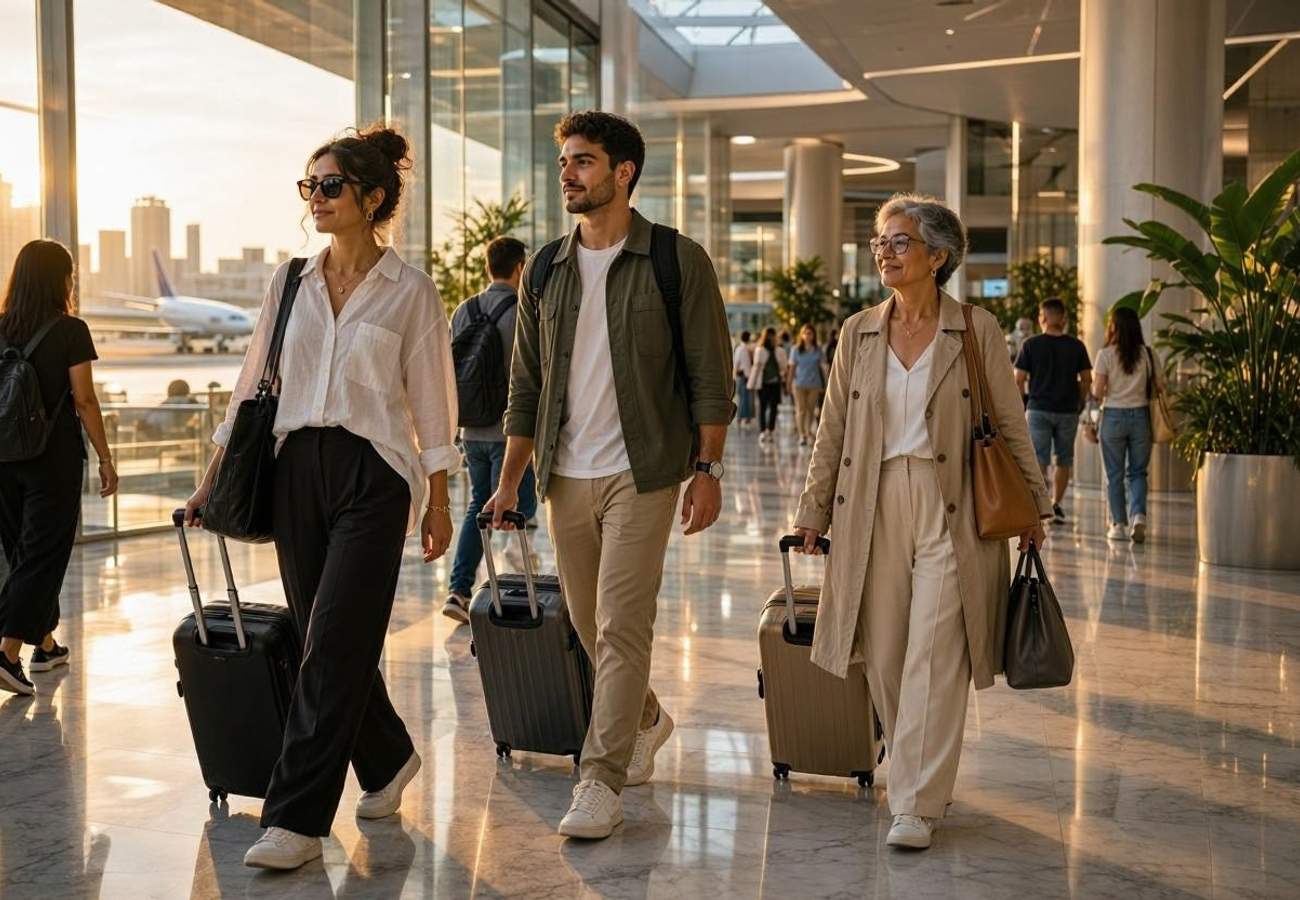
Image generated by AI
China's border crossings hit a record 369 million during the first half of 2026, fueled by visa-free programs and a major surge in foreign arrivals. Australia has officially entered the top ten inbound source markets, reflecting a significant expansion in global travel connectivity.
The Disruption Details
China's National Immigration Administration (NIA) announced that the country recorded an unprecedented 369 million inbound and outbound passenger trips in the first six months of 2026. This represents a 10.8 percent year-on-year increase, representing a historic high for any first-half period.
Foreign nationals completed 45.906 million cross-border trips during this timeframe—a 20.6 percent surge compared to 2025—while visa-free entries reached 17.815 million, making up 77.7 percent of all foreign arrivals. This dramatic surge in cross-border movements, while signaling a robust travel recovery, has placed significant pressure on major airport hubs and immigration centers across the country.
Flight & Airport Impact Breakdown
Official passenger movements and FlightAware data indicate the following updates regarding transit activity and congestion:
- Top Inbound Source Markets: South Korea, Russia, Malaysia, Vietnam, Thailand, Singapore, the United States, Japan, Mongolia, and Australia.
- Aviation Capacity Pressure: Air travel traffic reached 490,000 flight movements, causing increased passenger volumes at major hubs like Shanghai Pudong (PVG), Beijing Capital (PEK), and Guangzhou Baiyun (CAN).
- Transport Crossings Breakdown: Motor vehicle crossings reached 20.068 million (a 17.8% year-on-year increase), vessel movements hit 229,000 (up 4.6%), and train crossings rose to 56,000 (up 5.7%).
- Immigration System Volume: Chinese authorities issued 10.392 million passports and processed 991,000 visas for foreign nationals to facilitate the arrival surge.
- Delays and Congestion: The massive traffic volume has led to increased processing times at airport immigration queues, although digital check-in systems and automated smart gates are mitigating terminal bottlenecks.
Passenger Rights & Advisory (Information Gain)
With high traffic volumes increasing the risk of flight disruptions, travelers should review their compensation and rebooking rights under relevant regulatory frameworks:
- EU261/2004 Rights: Passengers flying to China on EU-based carriers (such as Air France or Lufthansa) are protected by EU261 regulations. In the event of a flight delay exceeding three hours or a cancellation, the airline must provide meals, refreshments, and hotel accommodation, plus compensation up to €600, unless the disruption is caused by extraordinary circumstances.
- U.S. DOT Guidelines: For travelers departing from the United States, U.S. Department of Transportation (DOT) guidelines require airlines to provide a full cash refund if a flight to China is canceled or significantly delayed and the passenger declines the alternative routing offered.
- Chinese Civil Aviation Regulations: Under Civil Aviation Administration of China (CAAC) guidelines, if a flight delay or cancellation is caused by the airline (such as maintenance or scheduling issues), the carrier must provide free food, lodging, and transport. If the delay is due to weather or air traffic control, the airline must assist in arranging accommodation, though the cost is usually borne by the passenger.
- Visa-Free Logistics: Travelers utilizing China's 144-hour visa-free transit program must present a valid onward ticket to a third country (different from their country of origin) and a pre-confirmed hotel booking. Ensure you complete the blue arrival card at the dedicated visa-free counter upon landing.
Industry Analyst View
Our analysis indicates that the expansion of visa-free travel policies has successfully lowered barriers, transforming China into a highly accessible destination in 2026. The high passenger volumes require airlines to strategically manage widebody fleet capacity and optimize crew scheduling to prevent compound delays across international networks.
Ultimately, while the influx of travelers stimulates the hospitality and tourism sectors, airport operators and national regulators must invest in digital border processing systems to maintain operational efficiency amidst historic crossing volumes.
FAQ: China Border Crossings 2026
Which countries are in China's top ten inbound tourism markets?
The top ten inbound markets in 2026 include South Korea, Russia, Malaysia, Vietnam, Thailand, Singapore, the United States, Japan, Mongolia, and Australia.
What percentage of foreign visitors enter China visa-free?
In the first half of 2026, 77.7 percent of foreign arrivals entered China through visa-free programs, representing 17.815 million trips.
What are my rights if my flight to China is delayed?
Under EU261 or U.S. DOT rules, you are entitled to rebooking or refunds for significant delays. Under CAAC rules, airlines provide free meals and lodging if the delay is within their control.
Related Travel Guides
This article is for informational purposes. Flight routes, passenger regulations, visa rules, and transit advisories are subject to change by airlines and aviation authorities. Readers are advised to verify schedules and travel documentation with relevant carriers and border agencies before departure.
Related Stories
Thailand and Vietnam Lead Asia Tourism Surge in 2026 via Strategic Visa Policy Shifts

Samarkand Marathon 2026: Uzbekistan Attracts 1,500 Athletes from 63 Nations for Sports Tourism