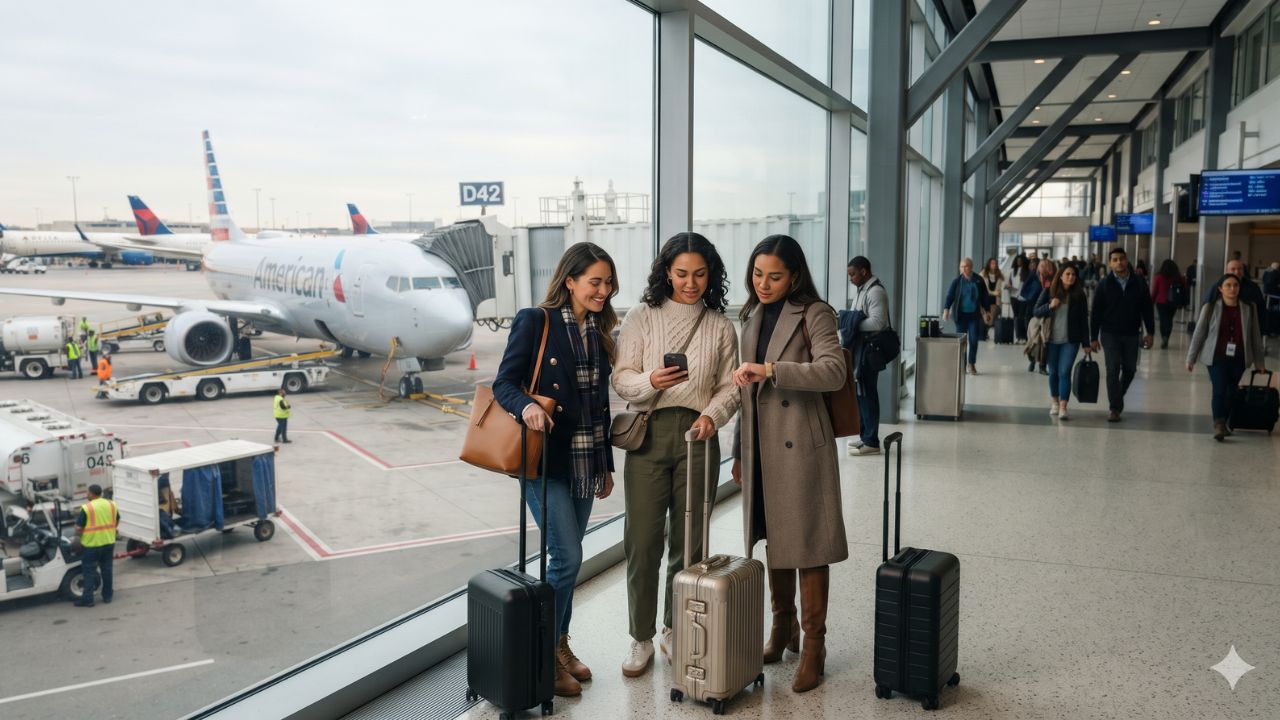
China Eastern Airlines Expands Winter 2026-2027 Global Flight Network with 430 Daily International Flights

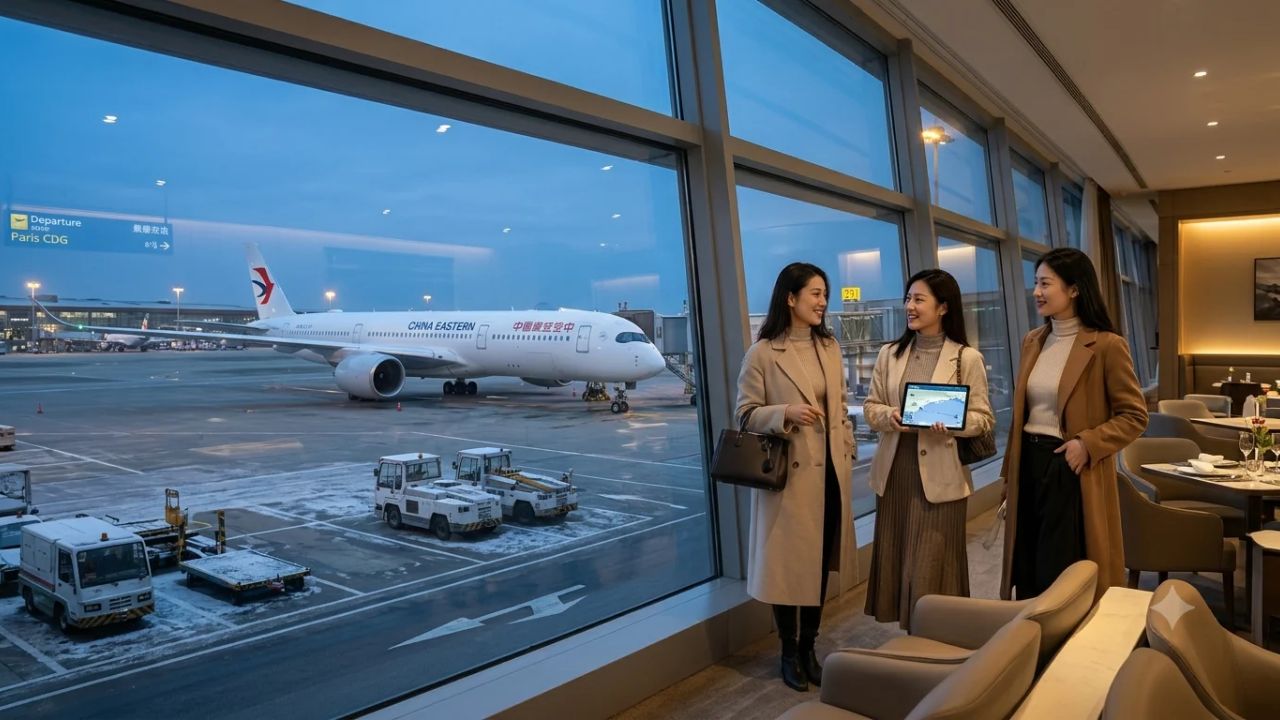
China Eastern Airlines expands its winter 2026–2027 international timetable to over 180 routes and 430 daily flights while elevating premium passenger services.
SHANGHAI, November 3, 2026 — China Eastern Airlines has officially initiated its expanded international flight schedule for the 2026–2027 Northern Winter aviation season, deploying an unprecedented daily volume of more than 430 international and regional flights across 180 overseas routes. Effective since October 25, 2026, the sweeping seasonal expansion strengthens intercontinental corridors connecting China with Europe, Oceania, North America, Southeast Asia, and South America, underpinned by comprehensive investments in ground lounge infrastructure, complimentary chauffeur transfers, and elevated long-haul cabin dining.
[!NOTE] China Eastern Airlines' winter 2026–2027 schedule spans more than 180 international and regional routes across 40 countries and territories. Anchored by its primary hub at Shanghai Pudong International Airport (PVG) and secondary hubs in Beijing, Xi'an, and Kunming, the carrier has resumed direct flights between Shanghai and Adelaide, added frequencies to Sydney, Melbourne, Brisbane, Frankfurt, London, and Vancouver, and introduced over 400 new premium seats across redesigned flagship airport lounges.
CHINA EASTERN AIRLINES WINTER 2026–2027 OPERATING METRICS
| Column 1 |
|---|
| Operational Indicator Historical Baseline Winter 2026–2027 Schedule |
| Seasonal Launch Date Standard IATA Winter Window October 25, 2026 |
| Total Overseas Routes 140 – 150 Active Corridors Over 180 Global Routes |
| Global Country Footprint 30 – 35 Target Territories Over 40 Countries/Regions |
| Daily International Vol. 320 – 350 Flights Daily Over 430 Flights Daily |
| Oceania Enhancements Standard Seasonal Capacity Adelaide Resumed; Syd/Mel+ |
| Transpacific Bridge Limited Regional Sectors Shanghai–Auckland–BA Boost |
| European Long-Haul Summer Peak Frequencies Only Dublin, Stockholm, Tbi Con |
| Ground Hospitality Standard Lounges 400+ Seats; MU Noodles Up |
| Signature Inflight Perk: Free High-Speed Satellite Wi-Fi for First & Business Classes |
Transcontinental Winter Surge: Deconstructing China Eastern's Global Operating Timetable
The commencement of the 2026–2027 winter aviation season on October 25, 2026, marks the most aggressive international capacity deployment executed by China Eastern Airlines in the post-pandemic era. By operating an average of more than 430 international and regional flight movements every single day, the SkyTeam alliance member is asserting its role as a premier global super-connector, linking the world's second-largest economy with critical commercial and cultural destinations across five continents.
At the core of this seasonal expansion is the consolidation of Shanghai as an undisputed global aviation gateway. Operating out of Shanghai Pudong International Airport (PVG) and Shanghai Hongqiao International Airport (SHA), China Eastern has built an expansive multi-directional transit hub. The winter schedule integrates increased flight frequencies on high-density legacy trunk routes with the permanent continuation of strategic intercontinental connections that were initially launched during the preceding summer season. This network architecture provides international passengers with tighter connection windows, greater departure flexibility, and seamless single-ticket baggage transfers when transiting between Europe, North America, Southeast Asia, and Australasia.
The aggressive winter ramp-up aligns strategically with China's broader macroeconomic policy of expanding international inbound tourism and facilitating global commerce. Following the unilateral expansion of visa-exemption agreements for citizens of numerous European and Asian nations, alongside the extension of 144-hour visa-free transit privileges across major Chinese entry ports, international travel interest toward mainland destinations has rebounded sharply. China Eastern's winter schedule ensures that both inbound leisure vacationers and transit passengers can access an extensive flight grid supported by modern widebody aircraft and premium ground amenities.
Trans-Pacific and Trans-Tasman Networks: Expanding Routes to Australia, New Zealand, and South America
Oceania and the Southern Hemisphere represent a centerpiece of China Eastern's winter schedule adjustment. Because the Northern Hemisphere winter coincides with peak summer holiday demand in the Southern Hemisphere, the airline has redeployed substantial widebody capacity to capture surging leisure traffic, corporate travel, and family reunification journeys between China, Australia, and New Zealand.
Key highlights across the Australasian corridor include:
- Resumption of the Adelaide Gateway: China Eastern has officially reinstated direct non-stop scheduled flights connecting Shanghai Pudong with Adelaide Airport (ADL) in South Australia. The resumption restores a vital trade and tourism link for South Australian premium wine, seafood, and agricultural exporters while providing travelers with a direct gateway to the Barossa Valley and Kangaroo Island.
- Capacity Surges to East Coast Capitals: The airline has escalated flight frequencies across its primary Australian trunk routes, deploying additional scheduled services to Sydney Kingsford Smith (SYD), Melbourne Tullamarine (MEL), and Brisbane Airport (BNE) to meet peak holiday booking surges during December, January, and the Lunar New Year celebrations.
- The Trans-Pacific Southern Bridge: Frequencies have been significantly expanded on the carrier's unique intercontinental routing connecting Shanghai, Auckland, and Buenos Aires. This ambitious multi-sector route creates a direct aviation bridge between China, New Zealand, and Argentina, providing global travelers with an efficient commercial corridor traversing the Pacific and Southern Oceans.
These strategic adjustments provide unprecedented travel flexibility for passengers traveling between the Asia-Pacific region and South America, establishing Shanghai as an attractive intermediate transfer hub for travelers navigating long-distance global itineraries.
Trans-Eurasian and North American Arteries: Sustaining Year-Round Capital Links
On the Northern Hemisphere long-haul front, China Eastern is aggressively fortifying its presence across major European and North American economic corridors, ensuring that critical intercontinental connections remain robust throughout the winter months rather than contracting during traditional off-peak periods.
Across Western Europe and North America, the airline has augmented flight frequencies connecting Shanghai Pudong directly with premier commercial centers:
- Frankfurt (FRA): Expanding frequencies to Germany's primary financial capital, facilitating business travel and air cargo logistics for Sino-European manufacturing and automotive trade.
- London Heathrow (LHR): Adding scheduled widebody flights to the United Kingdom, supporting strong demand from international students, corporate travelers, and leisure holidaymakers.
- Vancouver (YVR): Boosting flight frequencies to Canada's Pacific gateway, accommodating extensive family ties and bilateral commercial exchange between British Columbia and East Asia.
Equally significant is China Eastern's decision to maintain scheduled services on several high-profile European routes that were inaugurated or restored during the summer 2026 season. Direct services connecting Shanghai with Dublin, Ireland, Stockholm Arlanda, Sweden, and Tbilisi, Georgia, will continue operating throughout the entire winter timetable. By transforming these routes from seasonal summer operations into permanent, year-round fixtures, the airline supports long-term commercial stability, broadens trade accessibility, and offers international vacationers diverse cultural options ranging from Nordic winter landscapes to Caucasus heritage trails.
Southeast Asian and Regional Corridors: High-Frequency Shuttles from Shanghai and Kunming
In tandem with its intercontinental expansion, China Eastern has introduced substantial frequency increases across its short-haul Asian regional network, targeting high-yield winter sun destinations and regional commercial centers.
From its primary base in Shanghai, the carrier has deployed additional departures to popular Southeast Asian tropical holiday hubs, adding frequencies to:
- Bali Denpasar (DPS): Catering to surging winter leisure getaways seeking island resorts and cultural wellness retreats.
- Singapore Changi (SIN): Reinforcing one of the carrier's most lucrative corporate and leisure corridors with high-frequency daily widebody services.
- Kuala Lumpur (KUL): Expanding flight frequencies to support expanding business partnerships and leisure travel under bilateral visa-free travel arrangements.
Concurrently, the airline is maximizing the strategic geographical position of Kunming Changshui International Airport (KMG) in Yunnan province as China's primary gateway to Southeast Asia. Taking advantage of Kunming's close geographical proximity to the Indochinese peninsula, China Eastern has increased flight departures connecting Kunming with Thailand's primary tourism engines: the capital city of Bangkok and the northern cultural sanctuary of Chiang Mai.
These services are anchored by high-frequency, shuttle-like schedules across core Asian city pairs:
- Shanghai–Singapore: Maintained with multiple daily departures, offering round-the-clock scheduling convenience.
- Shanghai–Bangkok: Serving both business executives and holidaymakers with high-capacity widebody aircraft.
- Shanghai–Seoul (Incheon): Linking China's commercial capital with South Korea's high-technology manufacturing hub.
- Bangkok–Kunming: Providing rapid regional connectivity between Thailand and southwest China.
- Seoul–Qingdao: Operating dense regional frequencies connecting Shandong province with South Korean commercial networks.
Clean Data Table: China Eastern Airlines Winter 2026–2027 Global Route & Service Architecture
The following structured table synthesizes the primary operational adjustments, route frequencies, aircraft assignments, and premium passenger enhancements across China Eastern's global network:
| Geographic Sector | Core Destination Corridors | Winter 2026–2027 Adjustments | Strategic & Passenger Impact |
|---|---|---|---|
| Oceania & Australasia | Adelaide, Sydney, Melbourne, Brisbane | Adelaide resumed; peak summer frequencies added | Captures Southern Hemisphere holiday peak |
| South American Bridge | Shanghai – Auckland – Buenos Aires | Frequency boost across transpacific sectors | Direct multi-continental link to Argentina |
| Western Europe | Frankfurt, London Heathrow, Paris | Daily widebody frequencies increased | Strengthens corporate finance and trade links |
| Nordic & Caucasus | Dublin, Stockholm Arlanda, Tbilisi | Summer routes extended to year-round service | Guarantees uninterrupted winter market access |
| North America | Vancouver International Airport | Enhanced winter frequency schedule | Facilitates Canadian West Coast VFR & trade |
| Southeast Asia | Bali, Singapore, Kuala Lumpur | Multiple daily widebody frequencies added | High-yield winter leisure and business transit |
| Regional Gateways | Kunming to Bangkok and Chiang Mai | High-frequency regional feeder services | Positioned as Southwest China's ASEAN hub |
| Ground Hospitality | Shanghai, Beijing, Xi'an Lounges | Redesigned First/Business areas; 400+ seats | Features signature "MU Noodles" dining bar |
| Chauffeur Services | Major gateways across Europe, Americas | Complimentary private transfers for premium pax | Seamless door-to-door luxury travel |
| Inflight Connectivity | Widebody international fleet | Free high-speed satellite Wi-Fi in Business | Enables continuous productivity at sea level |
Ground Experience Metamorphosis: Redesigned Lounges Across Shanghai, Beijing, and Xi'an
Recognizing that premium international travel is defined as much by the airport ground experience as by in-cabin amenities, China Eastern Airlines has executed a comprehensive architectural overhaul of its flagship airport lounges. Newly redesigned lounge facilities have been unveiled at three of China's most pivotal aviation hubs: Shanghai Pudong International Airport, Beijing Daxing International Airport, and Xi'an Xianyang International Airport.
The modernized lounges introduce dedicated, physically segregated environments for First Class and Business Class travelers, creating tranquil sanctuaries insulated from busy terminal concourses. Across the three renovated facilities, the airline has added more than 400 premium seats, featuring ergonomic leather armchairs, private acoustic workstations equipped with wireless charging pads, secluded relaxation alcoves, and private shower suites stocked with luxury botanical amenities.
The culinary concept within the redesigned lounges has undergone an equally sophisticated transformation:
- Artisanal Baking and Pastries: Dedicated bakery kitchens prepare fresh European breads, delicate French pastries, and traditional Chinese baked goods throughout the day.
- Seasonal Beverage Salons: Lounges feature curated beverage stations offering single-origin espresso coffees, cold-pressed fruit juices, organic herbal infusions, and sparkling teas.
- The Signature "MU Noodles" Bar: The centerpiece of the dining experience is the live-cooking "MU Noodles" station, where master chefs prepare fresh, hand-pulled noodles to order. Passengers can choose from an array of regional Chinese broths, including Shanghai scallion oil noodles, spicy Sichuan beef noodles, and delicate Xi'an hand-ripped noodles, celebrating China's rich culinary traditions before departure.
The physical design of the renovated lounges reflects a conscious integration of sustainable architecture and traditional Chinese aesthetic philosophy. Utilizing natural bamboo finishes, energy-efficient smart LED illumination, and acoustic sound-absorbing wall panels crafted from recycled textiles, the lounges achieve high standards of environmental efficiency while offering exceptional tranquility. Within the VIP zones, dedicated tea art masters host daily traditional Gongfu tea ceremonies, introducing international travelers to premium Chinese teas such as West Lake Longjing, Wuyi Mountain Da Hong Pao, and Yunnan aged Pu'er. This cultural immersion elevates the pre-flight ground experience into a memorable sensory introduction to Chinese heritage.
End-to-End Premium Hospitality: Complimentary Chauffeur Shuttles and Digital Concierge Systems
To establish an unbroken chain of luxury hospitality, China Eastern has extended its service umbrella far beyond the aircraft cabin, introducing an elite suite of ground transit and digital concierge benefits for high-tier international travelers.
A flagship feature of this enhanced service model is the provision of complimentary private airport chauffeur transfers for eligible First Class and Business Class passengers. Available in participating international gateway cities across Europe, Asia, the Americas, Africa, and Oceania, the service provides travelers with private luxury sedan transportation between their home or hotel and the departure airport, alongside seamless transfer upon arrival at their international destination. By eliminating the stress of arranging airport taxis, navigating foreign public transit, or managing luggage in busy urban centers, the chauffeur service delivers an effortless door-to-door travel experience.
On the digital front, China Eastern has launched comprehensive upgrades to its international mobile application and digital customer care architecture:
- Multi-Lingual Mobile Ecosystem: The international app features streamlined booking interfaces, biometric check-in, real-time baggage tracking notifications, and interactive terminal wayfinding maps.
- Dedicated VIP Concierge Desks: Premium travelers have access to 24/7 dedicated online concierge chat agents capable of rebooking itineraries, reserving specific onboard meals, and coordinating special airport assistance.
- Specialized Customer Support Lines: Dedicated, toll-free international telephone hotlines connect First and Business Class passengers directly with experienced senior customer service specialists, bypassing general call center queues.
Long-Haul Cabin Modernization: 4K Inflight Entertainment, High-Speed Satellite Wi-Fi, and Elevated Gastronomy
The transformation of China Eastern's international product reaches its peak inside the cabins of its modern widebody long-haul fleet, comprising flagship Airbus A350-900, Boeing 777-300ER, and Boeing 787-9 Dreamliner aircraft.
The carrier has completely refreshed its premium in-flight dining program across 12 signature international long-haul routes departing Shanghai, including high-profile services to New York (JFK), London (LHR), and Paris (CDG). Developed in collaboration with master culinary consultants, the refreshed menus emphasize clean, seasonal gastronomy utilizing sustainably sourced organic ingredients:
- Multi-Course Epicurean Menus: Passengers enjoy Western fine dining—such as slow-braised beef tenderloin, pan-seared sea bass with native herb infusions, and artisanal cheeses—paired alongside authentic regional Chinese gastronomic presentations served on fine porcelain tableware.
- Elevated Beverage Curation: The onboard beverage program has been enhanced with single-estate Chinese teas, artisan cold-brew coffees, premium French champagnes, and award-winning international vintage wines selected to complement high-altitude palate sensitivities.
- Continuous Digital Connectivity: Recognizing that modern corporate executives and international travelers demand uninterrupted connectivity, China Eastern provides complimentary high-speed in-flight satellite Wi-Fi for all First Class and Business Class passengers across its entire widebody international fleet. Powered by next-generation high-throughput satellite constellations, the system enables travelers to stream multimedia, participate in corporate video conferences, and send instant messages throughout the duration of their oceanic transit. In addition, long-haul premium passengers receive luxury designer amenity kits stocked with botanical skincare products, noise-canceling acoustic headphones, and plush turn-down bedding featuring 100 percent organic cotton duvets and oversized pillows to ensure restful sleep on overnight intercontinental sectors.
The Widebody Fleet Architecture: Deploying A350-900, Boeing 777-300ER, and 787-9 Dreamliners
To support an expansive winter timetable spanning more than 180 international routes, China Eastern Airlines leverages one of the most technologically advanced and diversified widebody aircraft fleets in commercial aviation. The airline's long-haul intercontinental operations are powered by a modern triumvirate comprising the Airbus A350-900, the Boeing 777-300ER, and the Boeing 787-9 Dreamliner, each selected to match the specific payload, range, and passenger profile of distinct global corridors.
On premier flagship routes connecting Shanghai with Western European financial capitals such as London Heathrow, Paris Charles de Gaulle, and Frankfurt, China Eastern primarily deploys its state-of-the-art Airbus A350-900. Configured with the carrier's latest cabin architecture, the A350 features private Business Class suites equipped with full-height sliding privacy doors, customized ambient lighting, and lie-flat beds that provide an exceptional degree of personal seclusion. Powered by Rolls-Royce Trent XWB engines, the carbon-composite airframe delivers a 25 percent reduction in fuel burn while maintaining lower cabin altitude pressures and continuous air purification that significantly reduce passenger fatigue on twelve-hour Eurasian transits.
For heavy, high-density transpacific routes connecting Shanghai with North American gateways such as Vancouver, the airline relies on its flagship Boeing 777-300ER fleet. The aircraft features a luxurious First Class cabin with private double-bed configurations, alongside voluminous belly-hold cargo capacity that accommodates time-sensitive commercial freight, high-value consumer electronics, and international e-commerce packages moving between Asia and the Americas. Concurrently, the fuel-efficient Boeing 787-9 Dreamliner is extensively utilized across long-distance Australasian and South American routes, such as the multi-stop Shanghai–Auckland–Buenos Aires corridor, where the aircraft's advanced composite wings, large electronically dimmable windows, and superior high-altitude humidity levels ensure exceptional passenger comfort across extended oceanic journeys.
Transit Dynamics at Shanghai Pudong: The 144-Hour Visa-Free Stopover and Dual-Airport Hub System
A critical catalyst behind China Eastern's international expansion is the operational maturity of Shanghai's dual-airport aviation hub system, which balances international gateway processing with high-density domestic transit. Shanghai Pudong International Airport functions as the international super-hub, handling the vast majority of long-haul overseas arrivals, while Shanghai Hongqiao International Airport specializes in high-frequency domestic trunk shuttles and regional short-haul flights to Tokyo Haneda, Seoul Gimpo, and Taipei Songshan. The recent commissioning of the dedicated high-speed airport rail transit link connects Pudong and Hongqiao in less than forty minutes, allowing international transit passengers to transfer effortlessly between the two air hubs without navigating urban traffic congestion.
For international travelers navigating connecting itineraries, China Eastern's schedule takes full strategic advantage of China's 144-hour visa-free transit exemption. Available to citizens of fifty-four nations across Europe, the Americas, Oceania, and Asia, the policy permits travelers holding confirmed onward airline tickets to enter China through Shanghai without requiring an advance tourist visa, remaining in the designated Yangtze River Delta region for up to six full days. This regulatory framework allows long-haul passengers transiting between Europe and Australia, or between North America and Southeast Asia, to transform an ordinary flight layover into an immersive cultural exploration of Shanghai's historic Bund, futuristic Pudong skyline, classical Ming Dynasty gardens in Suzhou, or scenic West Lake in Hangzhou.
Within Shanghai Pudong Airport itself, China Eastern has streamlined ground connection protocols for international transfer passengers. The carrier operates dedicated twenty-four-hour international-to-international and international-to-domestic transit corridors in Terminal 1 and the Satellite Concourse, enabling arriving passengers to complete security clearance and boarding pass verification without collecting checked baggage or passing through external border immigration checkpoints. These streamlined transfer channels reduce minimum connection times to less than ninety minutes, ensuring that travelers experience smooth, stress-free transfers across intercontinental routes.
Bilateral Aviation Diplomacy and SkyTeam Alliance Synergies Across Key Continents
The expansive scope of China Eastern's winter schedule is reinforced through strategic commercial partnerships and deep integration within the global SkyTeam airline alliance. As one of SkyTeam's cornerstone Asian members, China Eastern coordinates flight scheduling, codeshare agreements, and frequent flyer reciprocity with leading international airline partners across North America, Europe, and the Southern Hemisphere.
In Europe, the carrier maintains extensive joint venture and codeshare agreements with Air France and KLM Royal Dutch Airlines. Operating out of their respective mega-hubs at Paris Charles de Gaulle and Amsterdam Schiphol, these European alliance partners provide China Eastern passengers with coordinated connecting flights to more than one hundred regional secondary cities across France, Germany, the United Kingdom, Spain, and Scandinavia. Similarly, in North America, China Eastern collaborates with Delta Air Lines, utilizing Delta's premier West Coast and Midwest hubs in Seattle, Los Angeles, and Detroit to offer seamless domestic connections across the United States. In the Southern Hemisphere, the carrier partners with regional carriers in Australia and maintains alliance ties with Aerolíneas Argentinas, ensuring comprehensive flight distribution throughout South America.
For frequent flyers enrolled in China Eastern's Eastern Miles loyalty program or partner frequent-flyer programs such as Delta SkyMiles, Air France-KLM Flying Blue, and Virgin Australia Velocity, the expanded winter network unlocks substantial reciprocal privileges. Elite loyalty members enjoy priority check-in, expedited SkyPriority security screening, elevated checked baggage allowances, and access to more than 750 premium airport lounges worldwide. This interconnected commercial web ensures that whether an executive is departing Adelaide, Frankfurt, or Vancouver, their travel journey is supported by an international network of premium hospitality and operational support.
Economic and Geopolitical Impact: How Aviation Infrastructure Drives China's Tourism Opening
The strategic scaling of China Eastern Airlines' winter schedule delivers profound economic implications that extend across global tourism and international commerce. International aviation functions as a primary engine of economic diplomacy, facilitating bilateral foreign direct investment, expanding multinational corporate collaboration, and fueling reciprocal cultural tourism.
By expanding widebody operations to more than 40 countries, China Eastern directly bolsters China's high-level policy initiative to open its economy to international engagement. The expanded flight capacity into major European hubs like Frankfurt, London, Dublin, and Stockholm provides European business leaders with seamless access to Chinese industrial supply chains, consumer markets, and financial centers. Concurrently, the restoration of regional links to Adelaide and frequency surges to Southeast Asian hubs stimulate inbound travel into China's second- and third-tier provincial capitals through efficient domestic transfers at Shanghai, Xi'an, and Kunming.
Additionally, the expansion positions Shanghai Pudong International Airport to capture an expanded share of lucrative global transit traffic. International travelers journeying between Europe and Australia, or between North America and Southeast Asia, are increasingly viewing Shanghai as a viable, highly competitive alternative to traditional Gulf or Southeast Asian hubs, drawn by modern terminal facilities, streamlined 24-hour international transit without immigration checks, and competitive premium cabin pricing.
Why This Matters: The Practical Traveler's Guide to Navigating China Eastern in Winter 2026/2027
China Eastern Airlines' winter 2026–2027 operational expansion redefines international travel planning across multiple global sectors:
- For corporate executives and business travelers, the combination of increased frequencies to key financial centers, complimentary private chauffeur transfers, and free high-speed in-flight Wi-Fi turns intercontinental travel into a seamless, productive extension of the workday.
- For leisure vacationers and adventure seekers, the continuation of unique routes to Dublin, Stockholm, and Tbilisi throughout winter, alongside frequency spikes to Bali, Bangkok, and Chiang Mai, provides an unprecedented variety of warm-weather and cultural holiday options.
- For transpacific and long-haul transit passengers, the carrier's refined hub operations at Shanghai Pudong deliver short connection times, world-class redesigned lounges, and signature regional dining that elevate the intermediate layover experience.
Another major operational innovation supporting China Eastern's winter expansion is the nationwide deployment of its Air-Rail Combined Transport program. Developed in partnership with China State Railway Group, this intermodal initiative allows international travelers arriving at Shanghai Pudong or Shanghai Hongqiao to purchase a single, consolidated ticket combining their international flight with high-speed bullet train travel to dozens of regional cities across the Yangtze River Delta, including Hangzhou, Nanjing, Suzhou, Ningbo, and Wuxi. Upon disembarking from their long-haul flight, international travelers can seamlessly transition directly to high-speed rail platforms, eliminating the need to navigate separate ticketing portals, foreign currency exchanges, or local transport hurdles.
Concurrently, the travel experience within China has become significantly more accessible for foreign vacationers through recent regulatory and financial technology reforms. International visitors landing in Shanghai can now easily bind their international Visa, Mastercard, or American Express credit cards directly to China's ubiquitous mobile payment platforms, Alipay and WeChat Pay, enabling seamless transactions across public transit, taxis, local dining, and cultural attractions without requiring physical renminbi banknotes. When paired with high-speed mobile e-SIM data packages and automated English-language self-service kiosks at Shanghai Pudong, these structural improvements remove the traditional friction points of independent travel in China, allowing international passengers to navigate the world's most dynamic urban landscapes with unprecedented ease and confidence.
In addition, passengers planning multi-city itineraries across East Asia can capitalize on China's visa-free transit policies, which permit qualified passport holders from over fifty nations to explore metropolitan centers for up to 144 hours without requiring a standard consular tourist visa. By pairing extended layovers in Shanghai or Beijing with onward flights across Southeast Asia or Australasia, international explorers can curate dual-destination vacations that combine vibrant Chinese cultural heritage with tropical island retreats, maximizing the value of their intercontinental airfare.
Travelers intending to take advantage of China Eastern's expanded winter schedule are encouraged to explore early bookings through the airline's international digital platforms, ensuring access to premium seat allocations, complimentary chauffeur services, and seamless global connections throughout the 2026–2027 season.
Related Travel Guides
- SkyAlps Launches Exclusive Groningen to Bolzano Flights for Summer 2027 Unlocking the Italian Dolomites
- Emirates Deploys Airbus A350 on Durban-Dubai Route in March 2027 with Premium Economy Debut
- Greenland Opens New Ilulissat International Airport with 2,200-Meter Runway to Revolutionize Arctic Tourism
This article is for informational purposes. Flight routes, passenger regulations, visa rules, and transit advisories are subject to change by airlines and aviation authorities. Readers are advised to verify schedules and travel documentation with relevant carriers and border agencies before departure.
Related Stories
SkyAlps Launches Exclusive Groningen to Bolzano Flights for Summer 2027 Unlocking the Italian Dolomites

US-Bound Flights Face Global Boarding Delays as CDC Ebola Attestation Disrupts International Hubs