
China's Bashang Plateau Guide 2026: Hebei Highland Routes, Forest Parks and Summer Transit
Explore the 16,000 square kilometer Bashang Plateau in Hebei, featuring the Hundred-Mile Sky Road, royal Qing Dynasty sites, and cooler summer temperatures between 18-24 degrees Celsius.

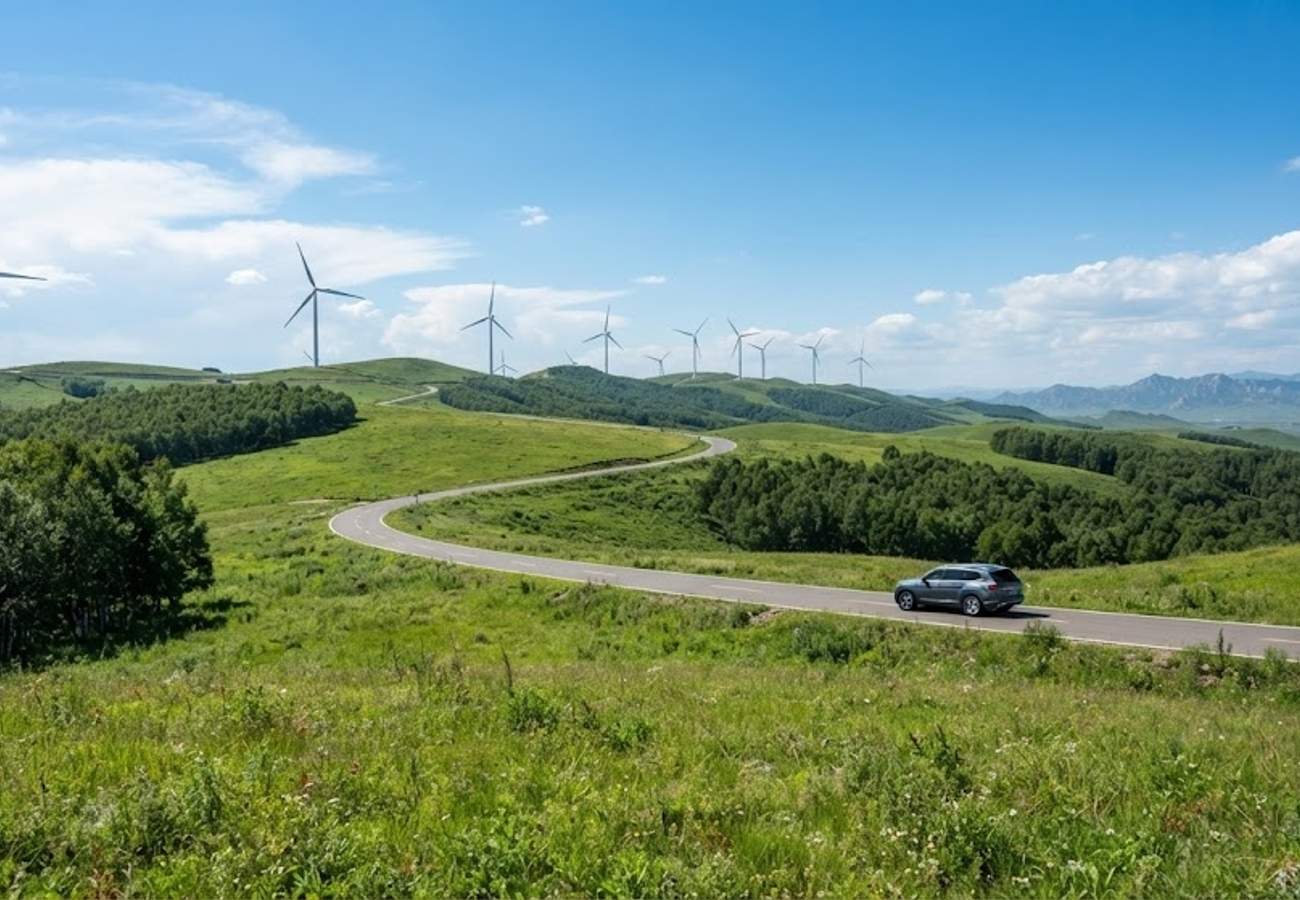
Image generated by AI
The Bashang Plateau is emerging as Northern China's primary summer refuge, offering a 16,000 square kilometer expanse of highlands where temperatures remain a stable 18-24 degrees Celsius while urban centers face oppressive heat.
Situated between the North China Plain and the Inner Mongolian Plateau, the Bashang region has transitioned from a hidden gem to a focal point for ecotourism. The area is characterized by a diverse geological mix of rolling grasslands, birch forests, and wetlands, making it a strategic destination for those seeking nature-based tourism with direct accessibility from Beijing.
Regional Breakdown and Transit Specifications
The plateau is administratively divided across Chengde and Zhangjiakou cities in Hebei Province. Each of the four primary tourism zones offers distinct logistical requirements and attractions.
| Bashang Region | Location | Key Attractions | Approx. Distance from Beijing | Est. Transit Time |
|---|---|---|---|---|
| Fengning Bashang | Chengde City | Datan Town, Hundred-Mile Sky Road, Qiansongba Forest Park, Yangchang River Wetland | 240 km | 3–4 hours |
| Weichang Bashang | Chengde City | Mulan Paddock, Saihanba National Forest Park, Ulan Buh Prairie | 400 km | 5–6 hours |
| Zhangbei Bashang | Zhangjiakou City | Grassland Music Festival, Prairie Music Highway, Zhongdu Grassland | 230 km | 3 hours |
| Guyuan Bashang | Zhangjiakou City | Lightning Lake, Luan River source wetland, Five-Flower Meadow | 260 km | 3.5 hours |
High-Altitude Transit and Scenic Routes
The infrastructure of the plateau is designed for self-drive tourism, with two routes standing out as primary logistics arteries:
The Hundred-Mile Sky Road This signature route is a critical corridor for visitors in Fengning. It traverses birch forests and wind turbine fields, with key checkpoints at Baihua Slope and Liuyun Ridge. From a logistics perspective, this road is the primary artery for those moving between the lowland entries and the high-altitude viewpoints.
The Prairie Music Highway Located in Zhangbei, this route integrates agricultural landscapes with large-scale wind farms. It is the preferred path for younger demographics and those attending the Grassland Music Festival, offering a more flexible, leisure-oriented driving experience.
Cultural and Ecological Infrastructure
Beyond the roads, the plateau hosts sites of significant historical and environmental importance. The Mulan Paddock, once the royal hunting grounds of the Qing Dynasty, provides a cultural anchor to the region. Complementing this is the Saihanba National Forest Park, which serves as a global case study in forest restoration and environmental management.
For those seeking active engagement, the region has formalized its adventure infrastructure:
- Equestrian Facilities: Official riding centers are concentrated in Datan Town and Guyuan.
- Off-Roading: 4WD excursions are regulated across sandy slopes and remote plateau sections.
- Astrotourism: Due to minimal light pollution and high elevation, the plateau is a designated zone for stargazing and Milky Way photography.
Seasonal Transit Window
While the plateau is accessible year-round, the logistics and experiences vary by quarter:
- Summer (Late June – August): Peak season. Optimal for horseback riding, camping, and escaping urban heat.
- Autumn (September – Early October): Ideal for photography due to golden birch forests and yellow grasslands.
- Spring (May – Early June): Low-density travel period; wildflowers emerge, though night temperatures remain low.
- Winter (November – March): Specialized tourism focusing on frozen landscapes and snow-covered forests in Saihanba.
Traveler Logistics Guide: Navigating the Plateau
From a ground-level perspective, the best way to navigate the Bashang Plateau is via a private rental vehicle starting from Beijing. Because attractions are spread across 16,000 square kilometers, public transit is insufficient for comprehensive exploration.
Booking and Connection Advice:
- Vehicle Selection: If planning to visit Guyuan or remote sections of the Hundred-Mile Sky Road, a 4WD vehicle is highly recommended to handle undulating terrain and unpaved sections.
- Optimal Layover: When visiting Weichang Bashang, allocate at least two nights. The 400 km distance from Beijing makes a single-day trip exhausting and impractical.
- Digital Transit: Ensure all offline maps are downloaded. While main highways have coverage, remote areas of the plateau often suffer from intermittent cellular signals.
- Customs & Permits: While no internal passports are required for domestic travel, international visitors should carry their passports at all times when traveling between Beijing and Hebei Province.
Infrastructure Impact Assessment
The rise of Bashang as a tourism hub signals a broader shift in China's regional connectivity. By diverting summer crowds from traditional urban centers to the Hebei highlands, the region is reducing the pressure on Beijing's infrastructure while stimulating the economy of Chengde and Zhangjiakou. The integration of "Music Highways" and "Sky Roads" suggests a move toward experiential infrastructure, where the journey itself is the primary product.
The Bashang Plateau remains a premier example of how ecological restoration and strategic road infrastructure can transform a remote highland into a sustainable tourism engine.
Related Travel Guides
Disclaimer
This article is for informational and educational purposes only. It does not constitute legal, financial, or professional advice. While we strive to provide accurate and up-to-date information, travel policies, regulations, and conditions change rapidly. Always verify information with official sources before making travel decisions. Nomad Lawyer makes no representations about the accuracy, reliability, completeness, or suitability of the information provided. Readers should consult qualified professionals for advice specific to their circumstances. The views expressed in this article are those of the author and do not necessarily reflect the views of Nomad Lawyer.
Raushan Kumar
Founder & Lead Developer
Full-stack developer with 11+ years of experience and a passionate traveller. Raushan built Nomad Lawyer from the ground up with a vision to create the best travel and law experience on the web.
Learn more about our team →