
Chile Travel Unveils Official Route Connecting All 16 UNESCO World Heritage Wooden Churches Across the Chiloé Archipelago
Chile Travel launches an official route linking all 16 UNESCO wooden churches across 5 island areas in Chiloé, establishing a 5-day slow travel circuit.

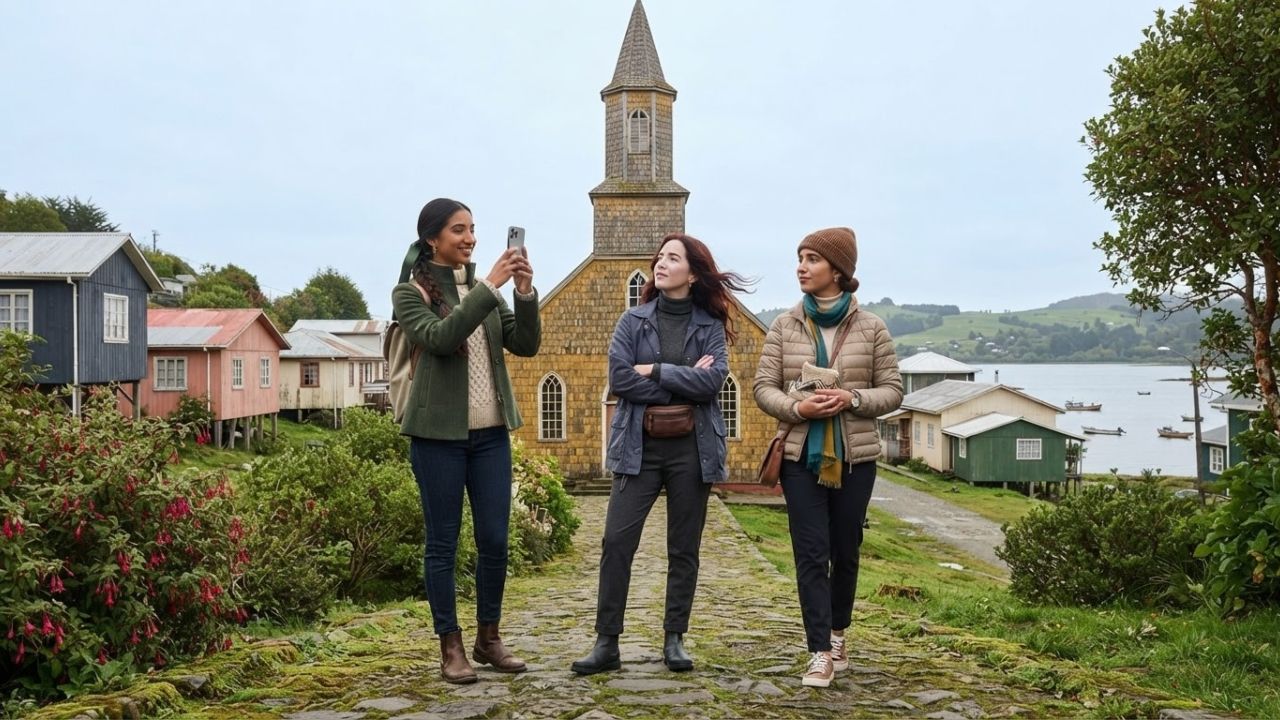
Image generated by AI
National tourism agency Chile Travel has published an official heritage route linking all 16 UNESCO World Heritage wooden churches across five island areas in the Chiloé Archipelago.
CASTRO, Chile — On September 10, 2026, national destination promotion body Chile Travel unveiled an expanded cultural travel itinerary mapping the 16 UNESCO World Heritage wooden churches scattered across the Chiloé Archipelago. Moving beyond a previous three-day, 142-kilometer circuit that reached only nine main-island churches, the updated route encompasses all 16 designated heritage temples spread across five separate island areas: Isla Grande de Chiloé, Quinchao, Lemuy, Caguach, and Chelín.
Originally constructed by Jesuit and Franciscan missionaries during the 17th, 18th, and 19th centuries, the wooden churches feature a unique architectural style (Escuela Chilota de Arquitectura en Madera) combining European ecclesiastical design with indigenous Chilote boat-building techniques. Navigating the complete circuit functions as a multi-island slow travel product combining highway driving, car ferry crossings, and small-craft maritime navigation.
Geographic Distribution: The 16 UNESCO World Heritage Churches of Chiloé
The 16 World Heritage components are distributed across five distinct island geography groups within the archipelago.
| Island / Region | UNESCO Listed Churches | Number of Components | Primary Transit & Access Requirement |
|---|---|---|---|
| Isla Grande de Chiloé | Castro (San Francisco), Nercón, Rilán, Dalcahue, Tenaún, Colo, San Juan, Chonchi, Vilupulli | 9 Churches | Accessible via Route 5 and paved/unpaved rural roads |
| Quinchao Island | Achao (Santa María de Loreto), Quinchao | 2 Churches | Requires Dalcahue Channel car ferry crossing |
| Lemuy Island | Aldachildo, Ichuac, Detif | 3 Churches | Requires Chulchuy to Huicha car ferry crossing |
| Caguach Island | Caguach | 1 Church | Requires maritime passenger boat from Achao port |
| Chelín Island | Chelín | 1 Church | Requires maritime passenger boat from Castro port |
| Total Scope | Distributed across 5 Island Areas | 16 UNESCO Temples | Intermodal road, ferry, & boat navigation |
Among the most historic structures, Santa María de Loreto de Achao on Quinchao Island dates to approximately 1740, recognized as the oldest surviving wooden building in Chile.
Comparative Heritage Analysis: Transnational Jesuit Mission Corridors
The Chiloé church network forms part of a broader South American heritage narrative tracking the legacy of the Society of Jesus (founded in Spain in 1540; Jesuits arrived in Chiloé in 1608).
| Country | Listed UNESCO Heritage Ensembles | Total Components | Regional Tourism Scope & Shared Attributes |
|---|---|---|---|
| Chile | Churches of Chiloé | 16 Components | Indigenous-Jesuit wooden architecture & living parish use |
| Argentina & Brazil | Jesuit Missions of the Guaranis | 5 Components (4 AR, 1 BR) | Shared stone mission ruins (São Miguel das Missões in Brazil) |
| Paraguay | Missions of Trinidad del Paraná & Jesús | 2 Components | Preserved Río de la Plata mission architecture |
| Bolivia | Jesuit Missions of the Chiquitos | 6 Components | Living wooden mission architecture in Santa Cruz region |
| Total Network | 5 South American Nations | 29 Listed Ensembles | Comparative South American Jesuit Heritage Portfolio |
Tourism Market Data: Growth in Chiloé Accommodation Demand
Official tourism metrics published by the National Tourism Service of Chile (SERNATUR) indicate growing visitor interest in the archipelago.
Sample surveys conducted between January 19 and 24, 2026, across 49 lodging establishments recorded an average accommodation occupancy rate of 64.8% in Chiloé. This represents a 15.8 percentage point increase compared to the corresponding peak-season measurement in January 2025, demonstrating strong demand for cultural and nature-based travel in southern Chile.
Traveler Logistics Guide: Navigating the Chiloé 5-Day Island Circuit
For independent travelers, tour operators, and cultural enthusiasts planning to visit all 16 UNESCO churches, practical transit coordination is required.
1. Gateway Aviation and Arrival Connections
- Mocopulli Airport (MOC - Castro): Regional flights operated by LATAM connect Santiago directly to Mocopulli Airport (MOC), located 20 km north of Castro. Alternatively, travelers can fly into El Tepual Airport (PMC) in Puerto Montt and drive 2.5 hours south, crossing the Chacao Channel via vehicular ferry to Isla Grande.
2. Ferry Crossings and Maritime Boat Schedules
- Dalcahue to Quinchao Ferry: Frequent continuous car ferries cross the narrow Dalcahue Channel (10-minute transit), connecting main-island Dalcahue to Quinchao Island (for Achao and Quinchao churches).
- Maritime Passages to Caguach and Chelín: Accessing the outer island churches of Caguach and Chelín requires booking small passenger boats departing from the ports of Achao and Castro. Schedules depend heavily on tide levels and weather conditions.
3. Recommended Itinerary Duration and Weather Gear
- Optimal 5-Day Duration: While Chile Travel offers a compressed 3-to-4 day estimate, allocating 5 days (4 nights) provides necessary buffers for rain delays, maritime ferry wait times, and church opening hours.
- Rain Protection Gear: Chiloé experiences maritime rainfall year-round. Pack high-quality waterproof jackets, waterproof footwear, and thermal layers.
Infrastructure Impact Assessment: Heritage Conservation & Local Tourism
The expansion of the Chiloé church circuit highlights ongoing heritage management and community development priorities:
- Distributing Tourism Income to Outer Islands: Extending visitor itineraries to Lemuy, Quinchao, Caguach, and Chelín channels tourist spending directly to small island ferry operators, local cafes, and craft markets outside central Castro.
- UNESCO Conservation Oversight: At its 48th session in 2026, the UNESCO World Heritage Centre reviewed Decision 48 COM 7B.51 regarding urban buffer zones and visual protection around the Castro church, requesting an updated state of conservation report by December 1, 2027.
- Preserving Active Places of Worship: The 16 UNESCO temples remain active parish churches serving local coastal communities. Visitors must respect religious services and local community customs.
FAQ: Chiloé UNESCO Wooden Church Circuit 2026
How many UNESCO World Heritage churches are located in Chiloé?
There are 16 UNESCO World Heritage wooden churches in Chiloé, selected from over 80 historic wooden churches across the archipelago.
What is the oldest wooden church in Chiloé and Chile?
Santa María de Loreto de Achao, located on Quinchao Island, dates to around 1740 and is recognized as the oldest surviving wooden church in Chile.
How many days are needed to visit all 16 UNESCO churches?
While a partial 9-church circuit takes 3 days, completing all 16 churches across 5 island areas requires a recommended 5-day (4-night) itinerary to account for ferry crossings.
How do travelers reach Chiloé from mainland Chile?
Travelers can fly directly into Mocopulli Airport (MOC) near Castro, or fly to Puerto Montt (PMC) and drive south across the Chacao Channel via a 30-minute vehicular ferry.
Related Travel Guides
10 Best Slow Travel Routes in South America, According to Reddit
Disclaimer
This article is for informational and educational purposes only. It does not constitute legal, financial, or professional advice. While we strive to provide accurate and up-to-date information, travel policies, regulations, and conditions change rapidly. Always verify information with official sources before making travel decisions. Nomad Lawyer makes no representations about the accuracy, reliability, completeness, or suitability of the information provided. Readers should consult qualified professionals for advice specific to their circumstances. The views expressed in this article are those of the author and do not necessarily reflect the views of Nomad Lawyer.
Raushan Kumar
Founder & Lead Developer
Full-stack developer with 11+ years of experience and a passionate traveller. Raushan built Nomad Lawyer from the ground up with a vision to create the best travel and law experience on the web.
Learn more about our team →