
Chile and Argentina Expand Cross-Border Rail and Alpine Tourism Infrastructure in 2026
Strategic infrastructure investments in Chile and Argentina are transforming trans-Andean transit, with new rail corridors and digitized alpine access systems driving a surge in bi-national tourism.

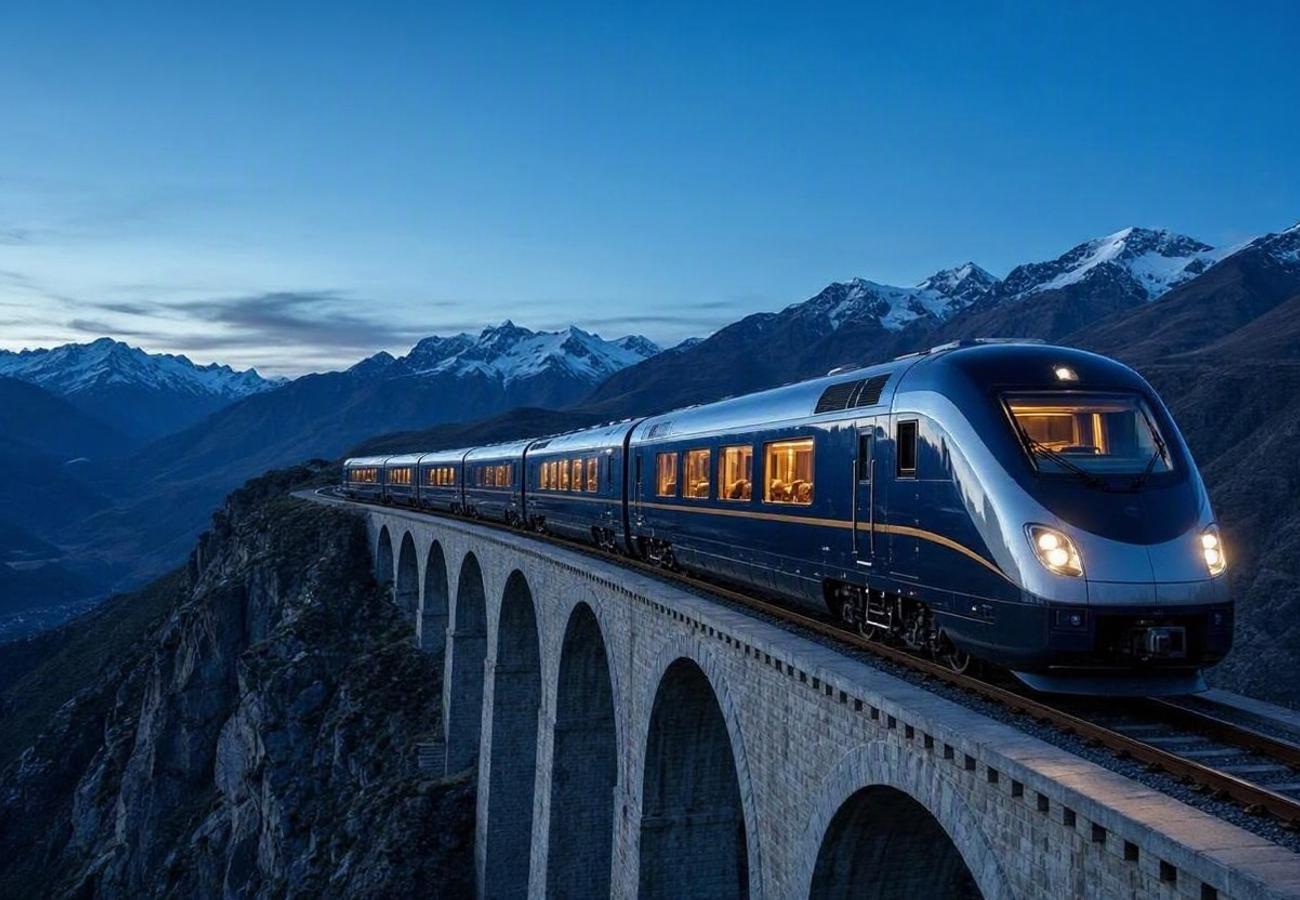
Image generated by AI
International tourist arrivals in Chile surged by 40.4% between 2023 and 2024, reaching 5.2 million visitors—a growth rate that has forced a complete overhaul of trans-Andean logistics. This trajectory is now manifesting in a strategic pivot from cargo-centric rail lines to high-capacity passenger corridors connecting Chile and Argentina, signaling a shift toward integrated, multi-modal South American travel.
The Trans-Andean Pivot in Numbers
The current infrastructure push is not merely a convenience but a response to massive volume shifts. Data from the OECD indicates that Argentina is the primary driver of this growth, accounting for 39.9% of all international arrivals into Chile. This heavy reliance on a single neighbor has accelerated the evaluation of the El Planchón-Vergara rail project, a multi-billion-dollar initiative designed to link the Valparaíso Region in Chile directly to the Argentine hub of Mendoza.
While the Socompa Pass (Branch Line C14) remains a critical freight artery at 3,876 meters above sea level, official task forces are now adapting these routes for seasonal passenger use. This transition is modeled after the Tren a las Nubes, aiming to convert industrial corridors into luxury tourism assets. The synergy between mining and tourism is evident: August 2026 saw the revival of a cross-border mining framework that mandates the upgrading of shared roads and rail lines, effectively subsidizing the maintenance and snow-clearing operations required for civilian tourist transit.
Regional Connectivity and Market Shifts
The volatility of mountain weather continues to be the primary bottleneck for regional growth. The preventive closure of the Cristo Redentor tunnel in July 2026 serves as a data-backed justification for the shift toward weather-resistant rail alternatives. When road passes fail, the economic loss to the Mendoza-to-Santiago corridor is immediate, driving the urgency for the Longotoma Corridor and other rail-based redundancies.
The following table illustrates the scale of movement and the growth metrics defining this corridor as of 2026:
| Metric | Data Point / Value | Source / Period |
|---|---|---|
| Chile Intl. Arrivals (2024) | 5.2 Million | OECD |
| YoY Arrival Growth (23-24) | 40.4% | OECD |
| Argentina Market Share (Chile) | 39.9% | OECD 2026 Report |
| Argentina Intl. Arrivals (April 2026) | 463,100 | INDEC / IndexBox |
| Socompa Pass Elevation | 3,876 Meters | Official Transport Ministry |
What This Means for Travelers
For those planning a South American itinerary in 2026 and 2027, the integration of technology is the most immediate benefit. The rollout of the Tarjeta Portillo system—utilizing Alpine-grade Axess technology—means that travelers crossing from Argentina into Chilean ski centers like Valle Nevado or Portillo can now bypass physical ticket lines.
Actionable Booking Advice:
- Ski Season (June-August): If you are crossing the border via road or rail, expect high volatility. Due to the July 2026 closures, it is recommended to build 48-hour "buffer days" into your itinerary when transitioning between Mendoza and Santiago.
- Summer Transit (December-February): The Andean Lakes Interconnection (Cruce Andino) remains the gold standard for multi-modal travel between Puerto Varas and Bariloche. Book these combined bus-boat packages at least 12 weeks in advance, as the increased rail connectivity in other regions is driving higher overall demand for all Andean crossings.
- Border Logistics: Keep a digital copy of all transit permits. The shift toward digitized border management means that pre-clearance for rail passengers is becoming the norm, reducing the hours-long delays typically found at Los Libertadores.
Forward Projection: The Luxury Multi-Modal Era
The current trajectory suggests that the "Cruce Andino" model will expand. With the potential completion of the Valparaíso-Mendoza rail links, the industry is moving toward all-inclusive, bi-national luxury packages. We anticipate a market shift where travelers no longer choose between Argentine wine country and the Chilean coast, but instead utilize a seamless rail-to-resort pipeline.
Furthermore, environmental mandates from the Chilean Ministry of Environment and Argentine authorities will likely limit the number of daily departures in glacial zones. This will transition the trans-Andean experience from mass transit to a high-value, low-impact model, likely increasing the price point for rail crossings while improving the ecological footprint of the journey.
FAQ: Chile-Argentina Transit 2026
Will rail travel be cheaper than flying between Santiago and Mendoza? Not necessarily. While the infrastructure is expanding, the new rail projects are targeting the "luxury and experience" market. Expect premium pricing for scenic rail routes compared to budget flights.
Is the Cristo Redentor pass reliable for winter travel? No. Data from July 2026 shows that weather-related closures remain frequent. Travelers should monitor official government alerts daily during the winter months.
Which ski resorts have the best tech integration? Portillo is currently leading with the Tarjeta Portillo/Axess system, significantly reducing wait times for those entering from Argentina.
Are visas required for cross-border rail travel? Requirements depend on your nationality, but both nations are moving toward digitized customs pre-clearance for rail passengers to streamline the process.
The Andes are no longer a barrier, but a bridge for a new era of high-altitude luxury.
Related Travel Guides
Disclaimer
This article is for informational and educational purposes only. It does not constitute legal, financial, or professional advice. While we strive to provide accurate and up-to-date information, travel policies, regulations, and conditions change rapidly. Always verify information with official sources before making travel decisions. Nomad Lawyer makes no representations about the accuracy, reliability, completeness, or suitability of the information provided. Readers should consult qualified professionals for advice specific to their circumstances. The views expressed in this article are those of the author and do not necessarily reflect the views of Nomad Lawyer.
Naina Thakur
Contributor & Travel Specialist
Travel enthusiast and legal writer covering visa regulations, responsible tourism, and cultural journeys across global destinations.
Learn more about our team →